

Pneumatic Conveying of Anhydrous Aluminum Trichloride: Design Principles Explained
Understanding the effective and efficient handling of anhydrous aluminum trichloride through pneumatic conveying systems is crucial for industries that rely on this chemical. This process involves transporting the material using a gas stream, typically air, which moves the solid particles through a pipeline. The design of such systems must consider several factors to ensure optimal performance, safety, and reliability.
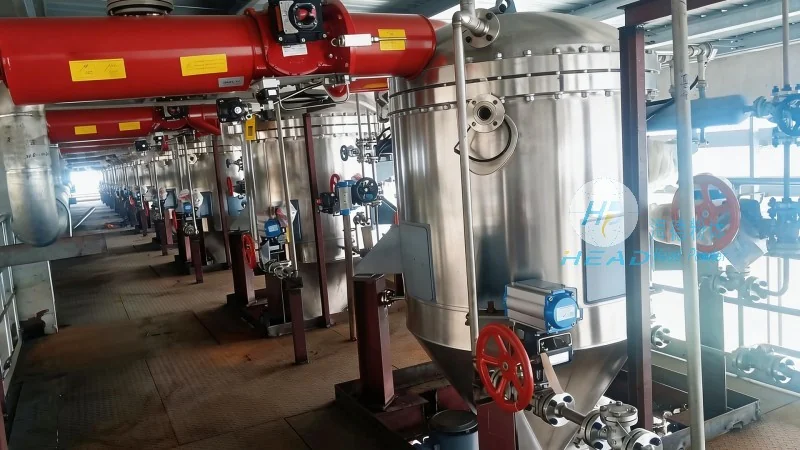
About HeadPowder Engineering
HeadPowder, a leading engineering firm based in Shandong, China, specializes in the design and implementation of advanced material handling solutions. With years of experience in the field, the company has developed expertise in handling specialized chemicals like anhydrous aluminum trichloride, ensuring that their systems meet the highest standards of safety and efficiency.
Key Design Principles for Pneumatic Conveying Systems
The design of a pneumatic conveying system for anhydrous aluminum trichloride involves several critical components and principles. First, the selection of the appropriate conveying method—whether it's dilute phase or dense phase—is essential. Dilute phase systems use high velocities to keep particles suspended in the air, while dense phase systems use lower velocities and higher pressure to move material in a slurry-like state. For anhydrous aluminum trichloride, which is a fine powder with potential reactivity, the choice of method depends on the distance, material characteristics, and required flow rate.
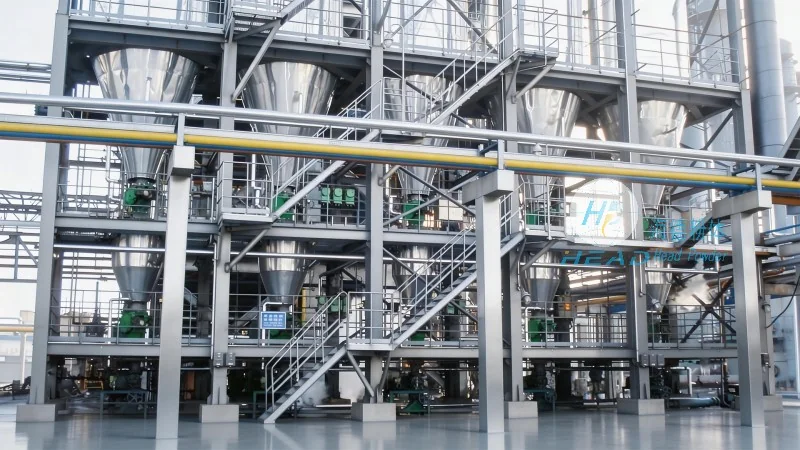
Second, the system must incorporate proper equipment such as blowers or compressors to generate the necessary air pressure. The power and capacity of these units are critical, as they determine the system's ability to transport the material over long distances. Additionally, the pipeline design, including the diameter, length, and bends, plays a significant role in minimizing pressure drop and ensuring smooth material flow. Properly sized and positioned elbows, tees, and other fittings are essential to maintain the material's velocity and prevent blockages.
Third, the material's properties, such as its particle size, density, and flowability, must be considered. Anhydrous aluminum trichloride is a hygroscopic substance, meaning it readily absorbs moisture from the air. This characteristic affects its handling, as moisture can lead to caking or agglomeration, which can cause system blockages. Therefore, the system design must include moisture control measures, such as drying the air or using sealed containers, to maintain the material's quality and prevent operational issues.
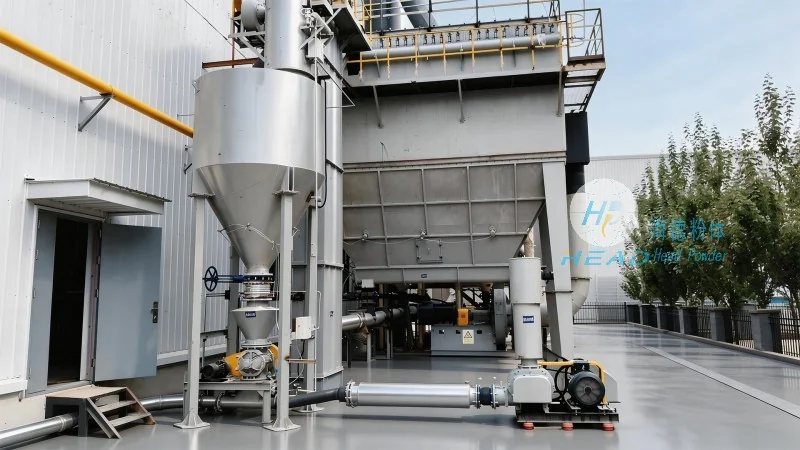
Fourth, safety considerations are paramount. Anhydrous aluminum trichloride is a corrosive chemical and can react with moisture, producing heat and potentially hazardous fumes. The system must be designed with appropriate materials of construction, such as stainless steel or corrosion-resistant alloys, to prevent chemical reactions and ensure the safety of personnel. Additionally, proper ventilation and emergency shutdown systems are essential to mitigate any potential risks.
Benefits of Pneumatic Conveying for Anhydrous Aluminum Trichloride
Implementing a pneumatic conveying system for anhydrous aluminum trichloride offers several advantages over traditional methods like bucket elevators or belt conveyors. One of the primary benefits is the ability to handle the material in a closed system, which minimizes exposure to the environment and reduces the risk of contamination. This is particularly important for a hygroscopic chemical like anhydrous aluminum trichloride, as it prevents moisture absorption and maintains the material's purity.
Another advantage is the flexibility of the system. Pneumatic conveying systems can be easily modified or expanded to accommodate changes in production volume or material flow requirements. This adaptability makes them suitable for various industrial applications, from small-scale laboratory use to large-scale manufacturing processes. Additionally, the system can be integrated with other processing equipment, such as reactors or storage tanks, to create a seamless material handling workflow.
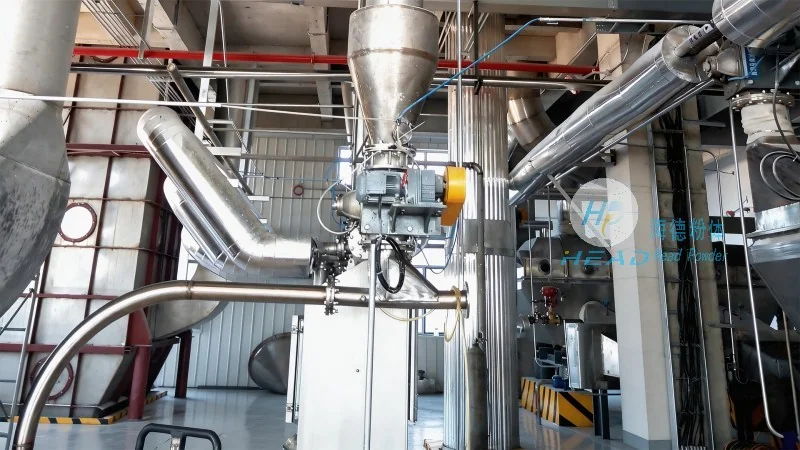
Furthermore, pneumatic conveying systems are generally more energy-efficient compared to other methods, especially for short to medium distances. The use of air as the conveying medium reduces the need for mechanical components like belts or chains, which can wear out over time and require frequent maintenance. This results in lower operational costs and increased system reliability.
Conclusion and Company Information
HeadPowder Engineering, with its headquarters in Shandong, China, is a trusted partner for industries seeking reliable and efficient pneumatic conveying solutions for anhydrous aluminum trichloride. The company's expertise in material handling and chemical processing ensures that their systems are designed to meet the specific needs of each client, providing optimal performance and safety. By adhering to the key design principles outlined above, HeadPowder helps clients achieve efficient material transport while maintaining the quality and integrity of the anhydrous aluminum trichloride.