The pneumatic conveying of calcium hydroxide is a critical process in various industrial applications, particularly in the chemical and material processing sectors. This technology involves transporting calcium hydroxide powder through a pipeline using air or other gases as the conveying medium. The efficiency and reliability of this process depend significantly on the chosen conveying mode, with the most common approaches being positive pressure and negative pressure systems. This analysis aims to provide a detailed comparison of these two modes, highlighting their advantages, limitations, and optimal use cases.
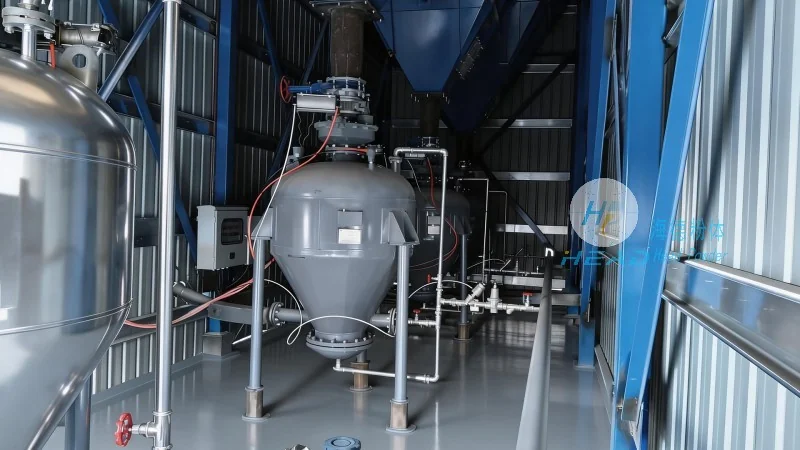
Company Overview: HeadPowder
Shandong HeadPowder Engineering Co., Ltd., commonly known as HeadPowder, is a leading provider of specialized engineering solutions for material handling and processing. With a strong focus on innovation and technical expertise, HeadPowder has established itself as a trusted partner in the industry, offering tailored solutions for diverse material handling challenges. The company's expertise in pneumatic conveying systems, including those for calcium hydroxide, reflects its commitment to delivering high-performance and reliable equipment.
Understanding Hydroxide Calcium and Pneumatic Conveying
Calcium hydroxide, also known as slaked lime, is a white powder with various industrial applications, including water treatment, construction, and chemical manufacturing. Its fine particle size and hygroscopic nature make it challenging to handle and transport efficiently. Pneumatic conveying offers a solution by using air to move the powder through pipelines, eliminating the need for mechanical components and reducing material degradation. The choice of conveying mode—positive or negative pressure—directly impacts the system's performance, energy consumption, and operational safety.
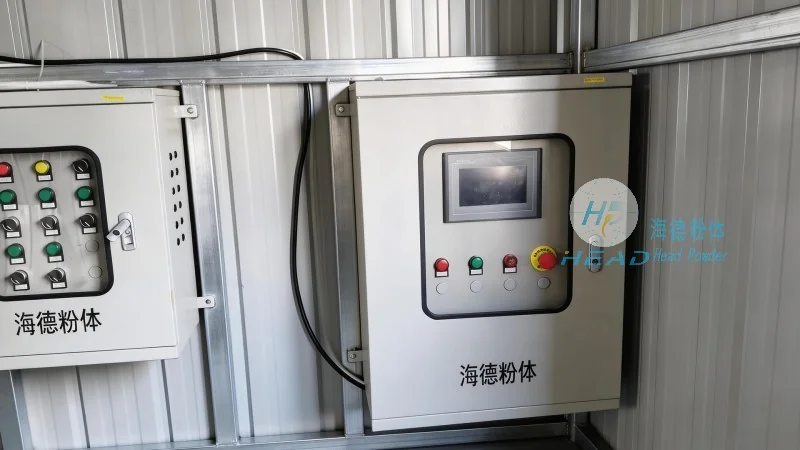
Positive Pressure Conveying Mode: Characteristics and Applications
Positive pressure conveying operates by introducing compressed air into the material feed point, creating a pressure higher than the ambient air. This pressure drives the calcium hydroxide particles through the pipeline. Key characteristics of this mode include:
- High conveying capacity and ability to handle long distances and multiple branch lines.
- Effective in transporting abrasive or sticky materials, as the compressed air helps maintain particle separation.
- Requires robust equipment to withstand high pressure, including high-pressure blowers and sealed pipelines.
Applications of positive pressure systems include large-scale industrial plants, where high throughput and flexibility are essential. For calcium hydroxide, this mode is particularly suitable for plants with high production volumes and complex pipeline networks.
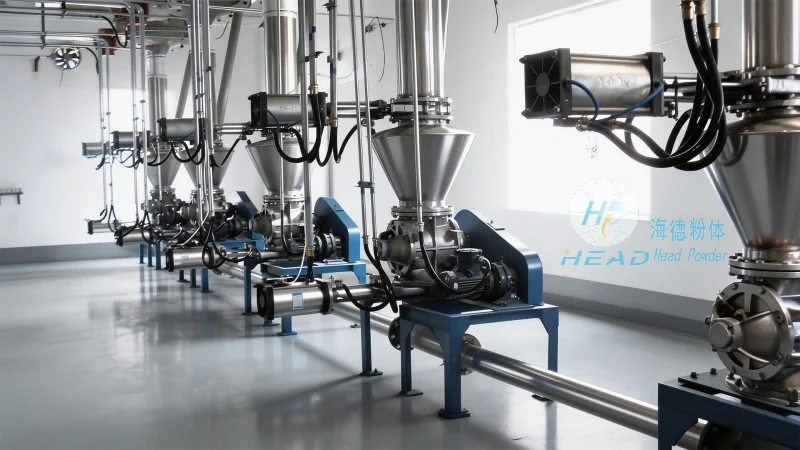
Negative Pressure Conveying Mode: Characteristics and Applications
Negative pressure conveying, also known as suction conveying, works by creating a vacuum in the pipeline, drawing the material from the source. The system uses a vacuum pump to maintain the low pressure, and the material is transported by the pressure differential between the source and the pipeline. Key characteristics of this mode include:
- Lower energy consumption compared to positive pressure systems, as it relies on the vacuum created by the pump.
- Suitable for short to medium distances and handling relatively dry materials.
- Requires careful design to prevent dust leakage and ensure system efficiency.
Applications of negative pressure systems include smaller-scale operations or applications where noise and vibration are concerns. For calcium hydroxide, this mode is ideal for plants with lower throughput or where the material is less abrasive and requires less pressure.
Comparative Analysis: Positive vs. Negative Pressure Modes
When selecting between positive and negative pressure conveying for calcium hydroxide, several factors must be considered. Positive pressure systems offer higher capacity and flexibility, making them suitable for large-scale operations. However, they require more energy and robust equipment, which can increase initial costs and maintenance requirements. Negative pressure systems, on the other hand, are more energy-efficient and suitable for smaller applications but may have limitations in conveying long distances or handling abrasive materials.
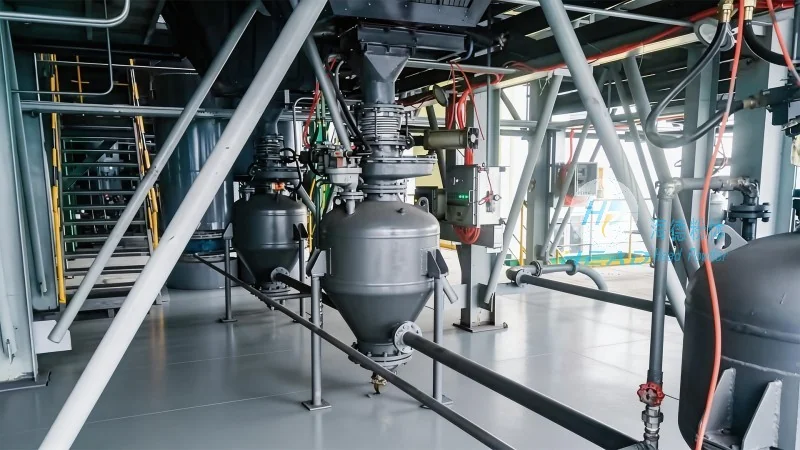
Practical Considerations for Selecting the Right Conveying Mode
The choice between positive and negative pressure modes depends on several practical factors, including:
- Material properties: The particle size, density, and moisture content of calcium hydroxide influence the choice of conveying mode. Coarser or more abrasive materials may require positive pressure systems to prevent blockages.
- System distance and complexity: Longer pipelines or complex branch networks often benefit from positive pressure systems due to their higher capacity and ability to handle multiple branches.
- Energy efficiency and cost: For operations focused on minimizing energy consumption, negative pressure systems may be more economical, especially for shorter distances.
- Operational safety: Positive pressure systems may pose higher safety risks due to high-pressure air, while negative pressure systems can create dust hazards if not properly sealed.
In conclusion, both positive and negative pressure pneumatic conveying modes have their unique advantages and are suitable for different scenarios in calcium hydroxide handling. Understanding the specific requirements of the application, including material characteristics, system layout, and operational constraints, is crucial for selecting the most appropriate conveying mode. HeadPowder, with its expertise in engineering and material handling, can provide tailored solutions to optimize the performance and efficiency of calcium hydroxide pneumatic conveying systems.




