

What is the Pneumatic Conveying of Powdered Electrolyte Materials? And What Are the Design Principle
For industries dealing with powdered electrolyte materials, understanding the mechanisms and design principles of pneumatic conveying is crucial for efficient material handling. This article explores the fundamental concepts behind pneumatic conveying systems, focusing on the specific requirements of transporting electrolyte powders, and highlights the expertise of Shandong HeadPowder Engineering Co., Ltd. in providing tailored solutions.
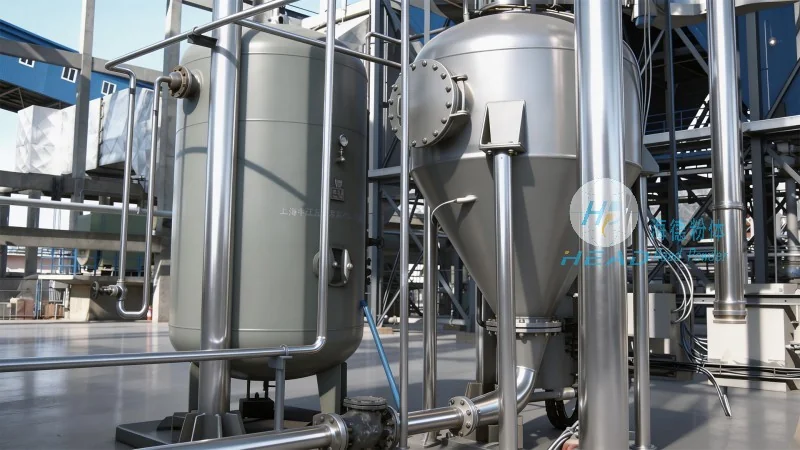
Introduction to Pneumatic Conveying of Powdered Electrolyte Materials
Pneumatic conveying, also known as powder handling via air, is a method used to transport bulk materials like powdered electrolytes through a pipeline using pressurized or suction air. This technology offers advantages such as reduced contamination, improved safety, and the ability to handle materials in a closed system, which is particularly important for electrolyte powders that may be sensitive to moisture or environmental factors. The process involves introducing the powder into a pipeline where it is mixed with air, creating a slurry or dilute phase flow that moves the material from the source to the destination.
Understanding the Core Concept of Pneumatic Conveying
The core of pneumatic conveying lies in the interaction between the material particles and the air stream. In the case of electrolyte powders, which often have specific particle sizes and flow properties, the design of the conveying system must account for factors like particle size distribution, density, and moisture content. These characteristics influence the air velocity required to maintain a stable flow and prevent issues such as clogging or material degradation. A well-designed system ensures that the powder moves smoothly through the pipeline without excessive pressure drops or energy consumption.
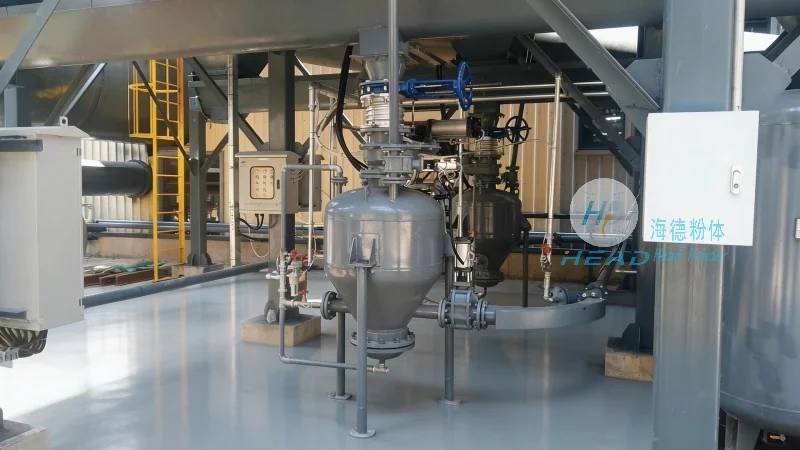
Key Design Principles for Efficient Material Handling
Several key design principles are essential for the successful operation of pneumatic conveying systems for electrolyte powders. First, the selection of the appropriate conveying type—either dilute phase (where particles are suspended in air) or dense phase (where particles are more concentrated)—depends on the material's properties and the distance to be covered. Dilute phase systems are commonly used for short distances and low to medium material loads, while dense phase systems are preferred for longer distances or when handling more viscous or abrasive powders. Second, the design must consider the pressure drop across the system, which is influenced by the pipeline diameter, length, and the number of bends or fittings. Proper sizing of the pipeline and the use of efficient components, such as in-line mixers or cyclone separators, help minimize pressure losses and ensure consistent flow.
The Role of HeadPowder in Pneumatic Conveying Solutions
Shandong HeadPowder Engineering Co., Ltd., a leading provider of powder handling solutions, specializes in designing and manufacturing pneumatic conveying systems tailored to the unique needs of electrolyte powder applications. With a focus on innovation and customer-centric design, HeadPowder leverages decades of experience in the industry to develop systems that meet the highest standards of efficiency, reliability, and safety. The company's expertise extends to the integration of advanced technologies, such as variable frequency drives (VFDs) and real-time monitoring systems, which optimize energy usage and provide insights into system performance. By partnering with HeadPowder, industries can enhance their material handling processes, reduce operational costs, and ensure compliance with regulatory requirements for handling electrolyte powders.
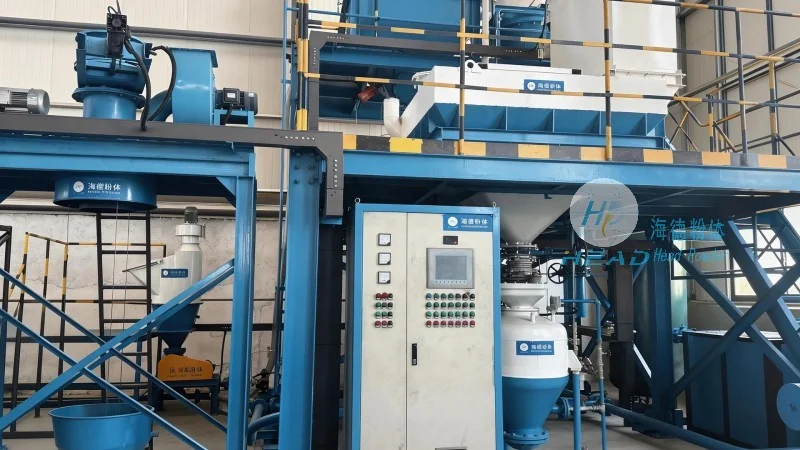
Technical Considerations in Electrolyte Powder Conveying Systems
When designing a pneumatic conveying system for electrolyte powders, several technical considerations must be addressed to ensure optimal performance. Particle size and shape are critical factors, as they affect the air velocity required for suspension and the risk of clogging. For example, fine powders with high surface area may require higher air velocities to prevent agglomeration, while larger particles may need more force to move through the pipeline. Additionally, the moisture content of the powder must be controlled, as excessive moisture can lead to clumping or increased friction within the system. HeadPowder's engineers carefully evaluate these parameters to recommend the most suitable equipment, such as rotary valves, feeders, and airlocks, which are designed to handle the specific characteristics of electrolyte powders.
Practical Applications and Industry Impact
Pneumatic conveying of powdered electrolytes is widely used in various industries, including battery manufacturing, where electrolyte powders are a key component in lithium-ion and other battery technologies. In these applications, the efficiency of material handling directly impacts production throughput and product quality. By implementing a well-designed pneumatic conveying system, manufacturers can reduce downtime, minimize material waste, and improve overall operational efficiency. HeadPowder's solutions have been successfully deployed in numerous battery and chemical plants, demonstrating their effectiveness in handling electrolyte powders with precision and reliability. The company's commitment to quality and customer satisfaction has made it a trusted partner for industries seeking to optimize their material handling processes and stay competitive in a rapidly evolving market.