HeadPowder, a leading provider of specialized engineering solutions, specializes in the design and implementation of advanced powder handling systems. This article delves into the technical aspects of pneumatic conveying for pharmaceutical applications, focusing on the comparative analysis of positive and negative pressure modes. Understanding the nuances of these systems is crucial for optimizing efficiency, maintaining product integrity, and ensuring compliance with stringent industry regulations.
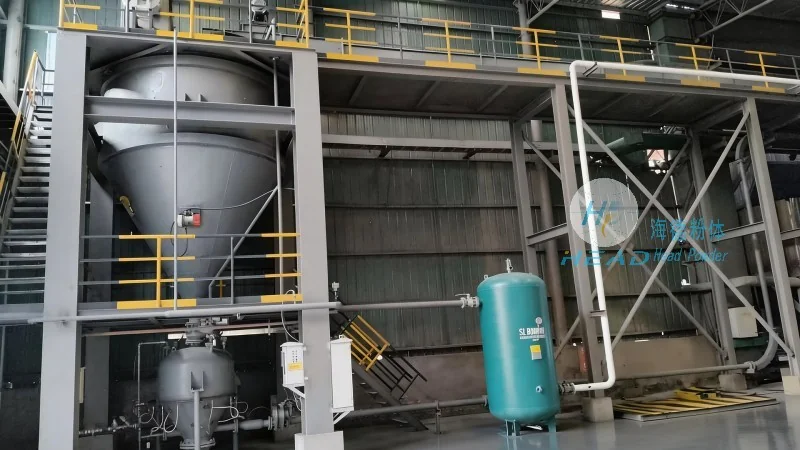
Introduction to Pneumatic Conveying in Pharmaceutical Industry
Pneumatic conveying technology has become an indispensable method for transporting powdered drugs and other sensitive materials in the pharmaceutical sector. It offers a hygienic, dust-free, and efficient means of moving bulk powders from one location to another, minimizing contamination risks and enhancing operational flexibility. The choice between positive and negative pressure systems depends on various factors, including material characteristics, process requirements, and system design considerations.
Positive Pressure Pneumatic Conveying Systems
Positive pressure systems operate by blowing air or a carrier gas into the conveying line, creating a pressure higher than the ambient environment. This mode is particularly suitable for transporting materials that are sensitive to moisture or require a controlled environment. The primary advantage of positive pressure is its ability to handle a wide range of materials, including those with high moisture content or those that are prone to agglomeration. The system typically uses a blower or a positive displacement pump to generate the necessary pressure, ensuring consistent material flow and preventing blockages.
In pharmaceutical applications, positive pressure conveying is often preferred for its ability to maintain a sterile and controlled atmosphere. The system can be integrated with filtration and sterilization units, ensuring that the material remains free from contaminants throughout the conveying process. This makes it ideal for handling high-value or sensitive drugs where product purity is paramount. The design of positive pressure systems allows for easy cleaning and maintenance, which is essential for meeting regulatory standards such as those set by the FDA and GMP (Good Manufacturing Practice).
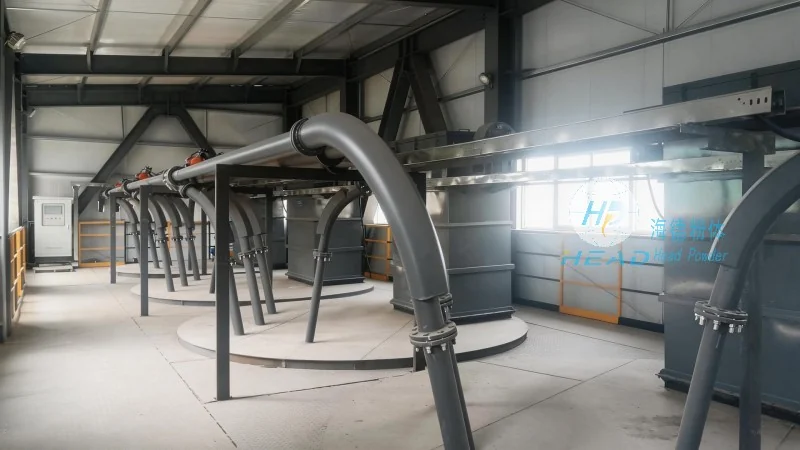
Negative Pressure Pneumatic Conveying Systems
Conversely, negative pressure systems work by creating a vacuum in the conveying line, drawing material into the system from the source. This mode is commonly used for applications where the material is to be collected from a hopper or a storage silo, and the system is designed to minimize dust emissions. The primary benefit of negative pressure is its ability to handle materials that are lightweight or prone to generating dust, as the vacuum helps to capture and contain particles effectively.
For pharmaceutical operations, negative pressure conveying is often employed in scenarios where the material is being transferred from a storage area to a processing unit, and the system needs to prevent dust from escaping into the environment. The design typically includes a filter or an air cleaner to capture any particles that may be released during the conveying process. This approach ensures that the surrounding environment remains clean and safe, which is critical in pharmaceutical manufacturing facilities where contamination control is a top priority.
Key Differences and Performance Metrics
When comparing positive and negative pressure pneumatic conveying systems, several key factors come into play. The choice of system is influenced by the material's properties, such as its density, flowability, and moisture content. Positive pressure systems generally offer higher conveying velocities and are more suitable for long-distance transport, while negative pressure systems are better suited for short-distance or localized applications where dust control is a primary concern.
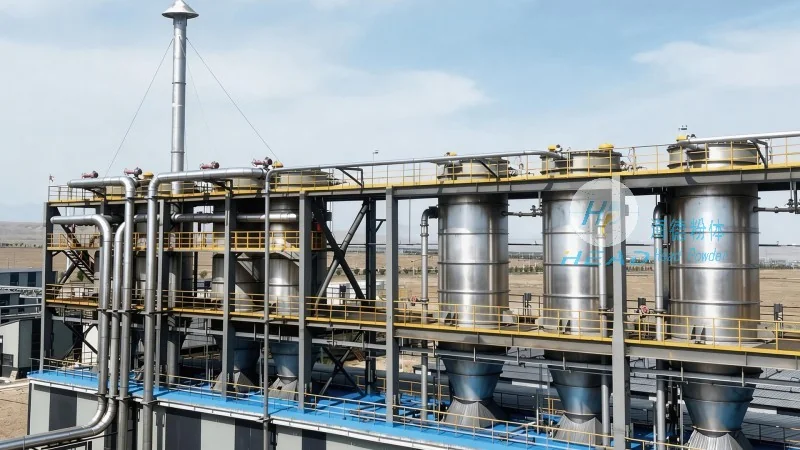
Performance metrics such as pressure drop, air consumption, and material velocity are critical in evaluating the efficiency of each system. Positive pressure systems typically require higher air pressure and consume more energy compared to negative pressure systems. However, they provide better control over the material flow and can handle more challenging materials. Negative pressure systems, on the other hand, are more energy-efficient and are ideal for applications where the material is already in a relatively clean state and requires minimal handling.
Application Scenarios and Practical Considerations
The selection of a pneumatic conveying system for pharmaceutical use depends on the specific application and operational requirements. For example, in the production of oral solid dosage forms, positive pressure systems may be used to transport raw materials from storage to the mixing and granulation units, ensuring that the materials are handled hygienically and without contamination. In contrast, negative pressure systems might be employed in the collection of waste materials or in the transfer of materials from a dust collector to a storage bin.
Another important consideration is the system's compatibility with existing infrastructure. Positive pressure systems often require additional space for the blower and filtration units, while negative pressure systems can be integrated more easily into existing facilities. The choice also depends on the scale of operation, with larger-scale pharmaceutical manufacturers often opting for positive pressure systems due to their higher capacity and flexibility.
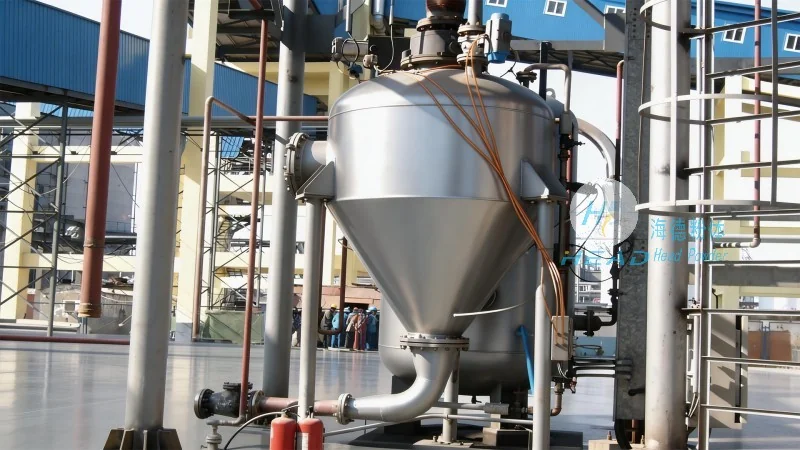
HeadPowder's Expertise in Pharmaceutical Pneumatic Conveying
Shandong HeadPowder Engineering Co., Ltd., with its headquarters in Shandong, China, has established itself as a trusted partner in the design and implementation of advanced powder handling solutions for the pharmaceutical industry. The company leverages its deep understanding of both positive and negative pressure technologies to provide customized solutions that meet the unique needs of each client. By combining cutting-edge engineering with rigorous quality control, HeadPowder ensures that its systems deliver optimal performance, reliability, and compliance with industry standards.
HeadPowder's team of experienced engineers and technicians works closely with clients to assess their specific requirements, from material characteristics to operational constraints. The company offers comprehensive services, including system design, installation, and maintenance, ensuring that the chosen pneumatic conveying solution is tailored to the client's production processes. This approach not only enhances operational efficiency but also minimizes downtime and maintenance costs over the system's lifecycle.
Conclusion
In conclusion, the choice between positive and negative pressure pneumatic conveying systems for pharmaceutical applications is a critical decision that impacts operational efficiency, product quality, and regulatory compliance. By understanding the distinct advantages and limitations of each system, pharmaceutical manufacturers can select the most appropriate technology to meet their specific needs. HeadPowder, with its expertise and commitment to excellence, continues to provide innovative solutions that help clients optimize their powder handling processes and achieve their production goals.




