When it comes to handling polyethylene pellets, selecting the right conveying method is crucial for efficiency, cost-effectiveness, and product integrity. As a leading provider of engineering solutions, Shandong HeadPowder Engineering Co., Ltd. (commonly known as HeadPowder) understands the complexities involved in transporting these lightweight, abrasive materials. This article provides a detailed comparison of common polyethylene pellet conveying methods, highlighting their advantages and disadvantages to help industrial operators make informed decisions.
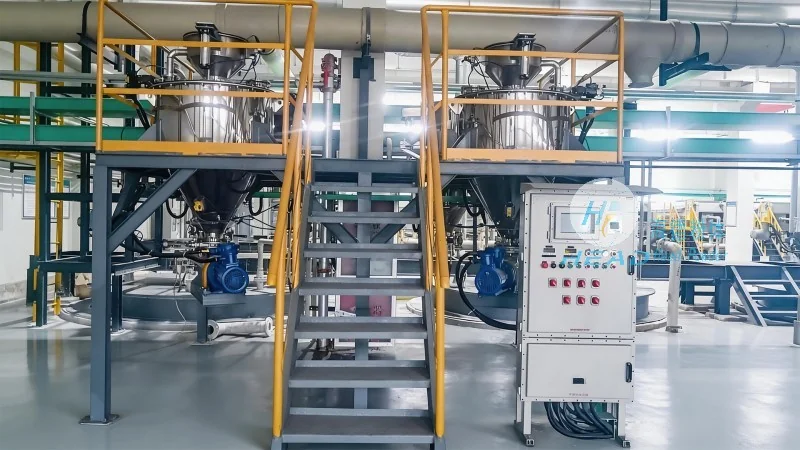
Overview of Conveying Technologies for Polyethylene Pellets
Polyethylene pellets are widely used in various industries, including plastics manufacturing, packaging, and construction. The choice of conveying system depends on factors such as material properties, production scale, environmental considerations, and operational requirements. Common methods include screw conveyors, pneumatic (air) conveying systems, and belt conveyors. Each technology has unique characteristics that affect performance, maintenance, and overall system reliability.
HeadPowder's Expertise in Polyethylene Handling Solutions
HeadPowder, a professional engineering company based in Shandong, China, specializes in designing and manufacturing customized conveying systems tailored to the specific needs of polyethylene processing facilities. With years of experience in the industry, HeadPowder's team of engineers leverages advanced technology and material science to optimize conveying processes, ensuring minimal product degradation and maximum operational efficiency. The company's commitment to quality and innovation has made it a trusted partner for businesses seeking reliable polyethylene handling solutions.
Comparative Analysis of Common Conveying Methods
Below is a detailed comparison of three primary conveying methods used for polyethylene pellets, focusing on their advantages and disadvantages:
Advantages and Disadvantages of Screw Conveyors for Polyethylene Pellets
Screw conveyors, also known as auger conveyors, are one of the most common and cost-effective methods for transporting polyethylene pellets. These systems consist of a rotating helical screw inside a U-shaped or tubular housing, which moves material from one point to another through gravity or mechanical force. The primary advantages of screw conveyors include:
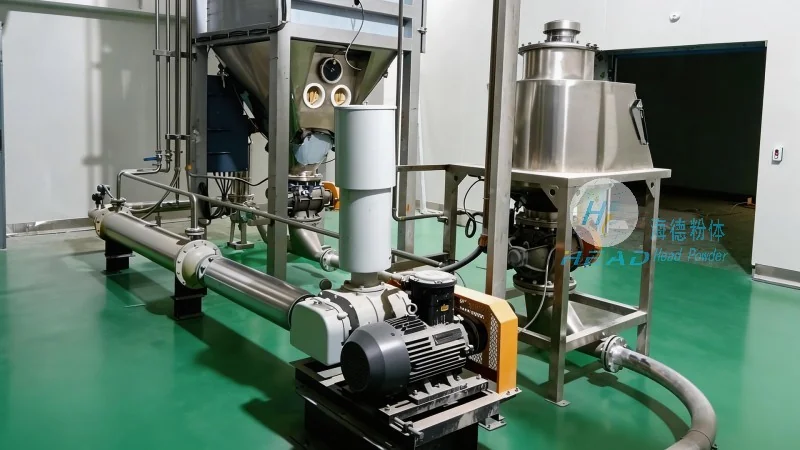
- Simple design and low installation cost, making them suitable for small to medium-scale operations.
- Ability to handle a wide range of materials, including abrasive polyethylene pellets, without significant wear.
- Enclosed design that prevents dust and contamination, maintaining product purity.
However, screw conveyors also have several limitations:
- They are not suitable for long-distance transport due to the need for multiple drives or steep inclines.
- High friction and wear can lead to increased maintenance costs over time.
- Material can accumulate in the housing, potentially causing blockages or uneven flow.
Pros and Cons of Pneumatic Conveying Systems for Polyethylene Pellets
Pneumatic conveying systems use air or other gases to transport polyethylene pellets through a network of pipes. These systems can be categorized as pressure or vacuum types, depending on the pressure applied to move the material. The main advantages of pneumatic conveying include:
- Efficient and flexible, capable of transporting materials over long distances and to multiple destinations.
- Low maintenance as there are no moving parts in contact with the material, reducing wear and tear.
- Ability to handle fine or abrasive particles without damage, making them ideal for polyethylene pellets.
Nevertheless, pneumatic conveying systems have drawbacks:
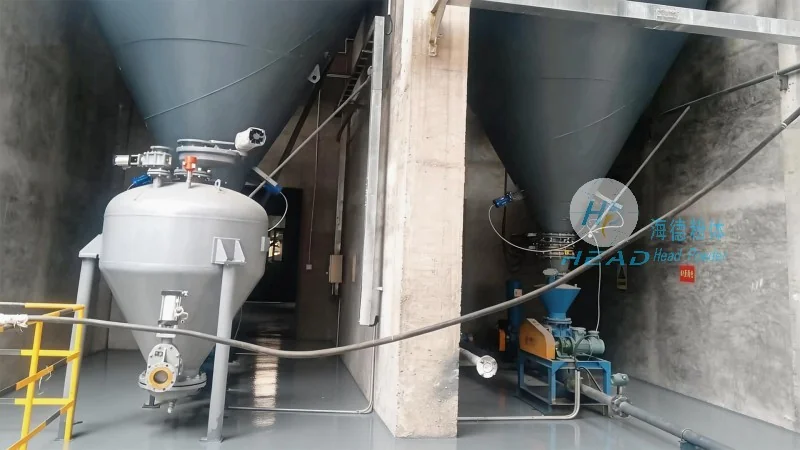
- Higher energy consumption compared to other methods, as they require significant air pressure or vacuum.
- Complex design and installation, which can increase initial costs.
- Potential for product degradation due to high air speeds or prolonged exposure to air.
Analysis of Belt Conveyor Systems for Polyethylene Pellet Transport
Belt conveyors use a continuous belt to transport polyethylene pellets horizontally or at a slight incline. These systems are widely used in bulk material handling and are known for their durability and high capacity. The advantages of belt conveyors include:
- High throughput capacity, making them suitable for large-scale production lines.
- Low maintenance and long service life due to robust construction.
- Ability to transport materials over long distances with minimal energy consumption.
However, belt conveyors also present challenges:
- They are not suitable for vertical transport or steep inclines without additional equipment.
- Material can slip or fall off the belt if not properly secured, leading to product loss.
- Regular cleaning and maintenance are required to prevent dust accumulation and ensure smooth operation.
Factors Influencing the Choice of Conveying Method
The selection of a conveying method for polyethylene pellets depends on several key factors, including:
- Material properties: The size, shape, and density of polyethylene pellets affect the choice of system. For example, fine pellets may require pneumatic conveying to avoid blockages.
- Transport distance and layout: Short distances may be suitable for screw conveyors, while long distances demand pneumatic or belt systems.
- Environmental considerations: Enclosed systems like screw or pneumatic conveyors are preferred in environments where dust control is critical.
- Operational budget: Initial installation costs and long-term maintenance expenses play a significant role in decision-making.
Conclusion: Selecting the Right Conveying Solution for Polyethylene Pellets
Choosing the appropriate conveying method for polyethylene pellets is a critical decision that impacts production efficiency, product quality, and operational costs. While screw conveyors offer simplicity and cost-effectiveness for short distances, pneumatic systems excel in long-distance and flexible transport, and belt conveyors provide high capacity for bulk handling. By understanding the advantages and disadvantages of each technology and considering factors such as material properties and operational requirements, industrial operators can select the most suitable conveying solution. HeadPowder, with its expertise in polyethylene handling, offers customized solutions that address these challenges, ensuring optimal performance and reliability in polyethylene processing facilities.




