When handling nano calcium carbonate, selecting an appropriate conveying method is crucial for maintaining product quality and operational efficiency. The choice of method depends on factors such as particle size, flowability, and the required conveying distance. This article provides a detailed comparison of common nano calcium carbonate conveying methods, highlighting their advantages and disadvantages. Understanding these aspects helps in making informed decisions to optimize production processes and minimize operational costs.
Pneumatic Conveying Systems
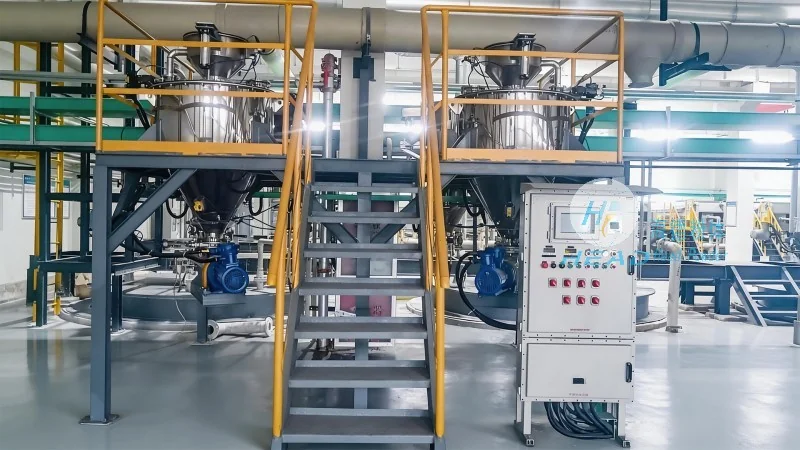
Pneumatic conveying uses air or other gases to transport powder materials. For nano calcium carbonate, this method is particularly effective due to its ability to handle fine particles without causing agglomeration. There are two main types: pressure and vacuum systems. Pressure systems push the material through a pipeline using compressed air, while vacuum systems draw material into a hopper and then transport it. The advantages of pneumatic conveying include high conveying rates, minimal product degradation, and the ability to transport materials over long distances. However, it requires careful control of air pressure and flow rates to prevent particle damage or blockages. Additionally, the system can be more energy-intensive compared to mechanical methods, and maintenance costs may be higher due to the need for air filtration and pipeline cleaning.
Screw Conveyors
Screw conveyors use a rotating helical screw to move material along a trough. This method is suitable for nano calcium carbonate with moderate flowability. The screw design can be adjusted to handle different particle sizes and moisture contents. The primary advantage of screw conveyors is their simplicity and low maintenance requirements. They are also capable of vertical and horizontal conveying, making them versatile for various applications. However, screw conveyors may cause some product degradation due to friction between the material and the screw surface. The conveying capacity is limited by the screw size, and they are not suitable for very fine or cohesive powders that may stick to the screw or trough walls.
Bucket Elevators
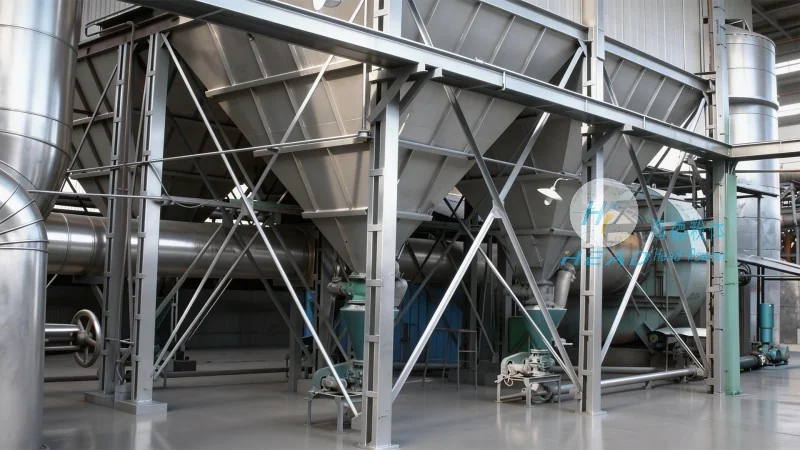
Bucket elevators use a series of buckets attached to a chain or belt to lift and transport material vertically. This method is ideal for vertical conveying of nano calcium carbonate, especially when the material needs to be elevated to a higher level. The advantages include high vertical conveying capacity and the ability to handle large volumes of material. However, bucket elevators have limitations in terms of horizontal movement and are more complex to install and maintain compared to other methods. They also require more power for vertical lifting, and the risk of material spillage or blockage is higher if the material is too fine or cohesive.
Vacuum Conveying
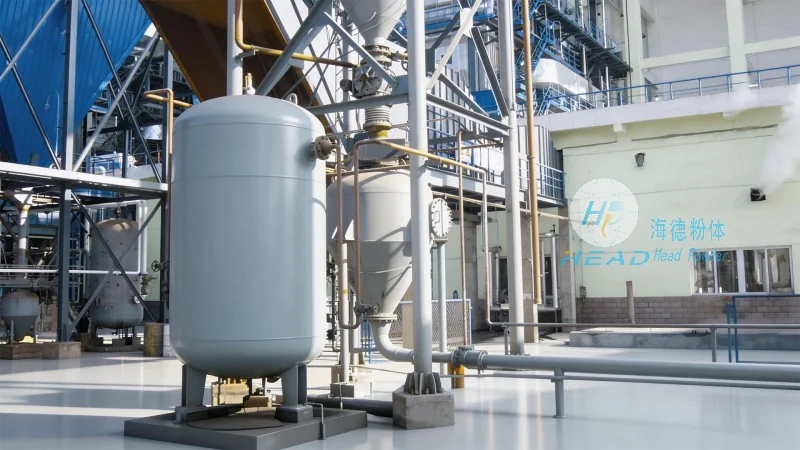
Vacuum conveying is a type of pneumatic system that uses a vacuum to draw material into a hopper and then transports it through a pipeline. This method is particularly useful for handling materials that are difficult to discharge from hoppers or silos. The advantages include gentle material handling, as the vacuum creates a low-pressure environment that minimizes particle impact. It is also suitable for conveying materials over moderate distances and can be integrated with other processing equipment. However, vacuum systems may have lower conveying rates compared to pressure systems and require more energy to maintain the vacuum. The pipeline design must be carefully considered to prevent air leakage and ensure efficient material transport.
Choosing the Right Conveying Method for Nano Calcium Carbonate
The selection of a nano calcium carbonate conveying method should be based on a thorough evaluation of operational requirements, material properties, and cost considerations. For instance, if the material is very fine and prone to agglomeration, pneumatic conveying with proper air filtration is often the best choice. If the conveying distance is short and the material has good flowability, a screw conveyor may be sufficient. For vertical transport needs, bucket elevators offer a reliable solution. It is also important to consider the scale of production and the need for integration with other processing equipment. Companies like Shandong HeadPowder Engineering Co., Ltd., based in Shandong, China, specialize in providing tailored conveying solutions that address specific industrial needs, ensuring optimal performance and efficiency in handling nano calcium carbonate.




