The efficient and reliable transportation of carbon black is a critical aspect of industrial processes, especially in the manufacturing of pigments, inks, and rubber products. Pneumatic conveying systems have emerged as a preferred method for handling carbon black due to their ability to transport materials over long distances with minimal dust generation and reduced risk of contamination. This article provides a detailed analysis of the two primary pneumatic conveying modes—positive pressure and negative pressure—exploring their principles, applications, and key differences.
Introduction to Pneumatic Conveying Systems for Carbon Black
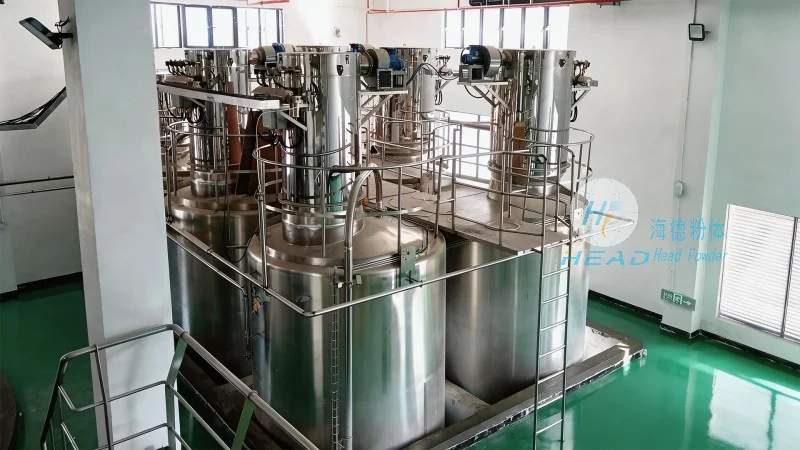
Pneumatic conveying, also known as air conveying, is a technology that uses pressurized or vacuum air to move bulk materials like carbon black through a pipeline. This method offers several advantages over traditional mechanical conveying, including reduced material degradation, lower labor costs, and improved safety by minimizing dust exposure. The choice between positive and negative pressure systems depends on the specific requirements of the application, such as distance, material properties, and operational constraints.
Positive Pressure Conveying: Principles and Applications
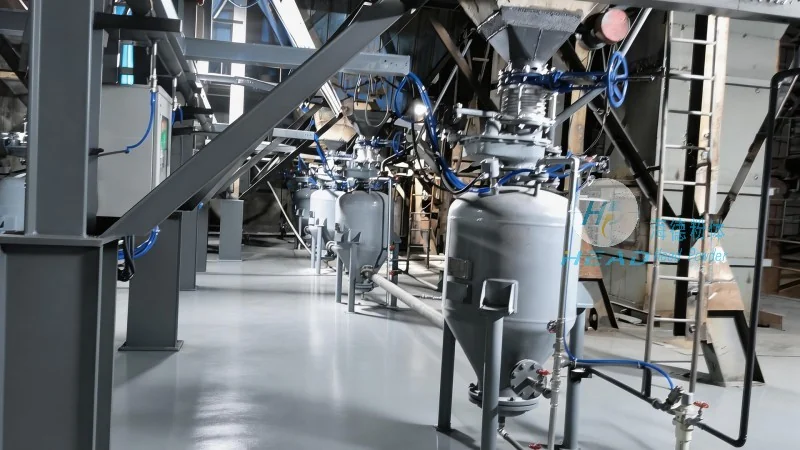
Positive pressure conveying operates by forcing air or a carrier gas into the conveying line, creating a pressure higher than the ambient air pressure. This method pushes the material through the system, ensuring a continuous flow. The system typically includes a blower, a hopper, and a pipeline network. The positive pressure approach is particularly effective for long-distance transport and can handle abrasive materials like carbon black without significant wear on the equipment. It is commonly used in large-scale industrial settings where high throughput is required. The blower provides the necessary pressure to move the material, and the hopper feeds the carbon black into the pipeline. The pipeline network connects the source and destination, with appropriate valves and filters to control the flow and prevent blockages.
Negative Pressure Conveying: Principles and Applications
In contrast, negative pressure conveying creates a vacuum in the conveying line, drawing the material from the source into the system. This method is often referred to as suction conveying. The system consists of a vacuum pump, a hopper, and a pipeline. Negative pressure systems are advantageous for applications where the material needs to be transported from multiple sources or where the material is sensitive to pressure changes. They are also suitable for short to medium distances and can handle fine powders with minimal degradation. The vacuum pump maintains the low pressure in the line, and the hopper collects the carbon black. The pipeline transports the material to the destination, with filters and cyclones to separate the material from the air.
Comparative Analysis: Positive vs. Negative Pressure Systems
When selecting between positive and negative pressure conveying for carbon black, several factors must be considered. Positive pressure systems generally offer higher throughput and are more suitable for long-distance transport, while negative pressure systems are better for handling fine powders and multiple sources. From an operational perspective, positive pressure systems require more robust equipment to withstand higher pressures, whereas negative pressure systems need efficient vacuum pumps to maintain the vacuum level. Energy consumption is another critical factor; positive pressure systems typically consume more energy due to the continuous operation of the blower, whereas negative pressure systems may have lower energy costs but require more maintenance for the vacuum pump. The choice also depends on the material's properties, such as particle size and moisture content, as well as the space available for installation and the budget constraints of the project.
Key Considerations for Selecting the Right Conveying Mode
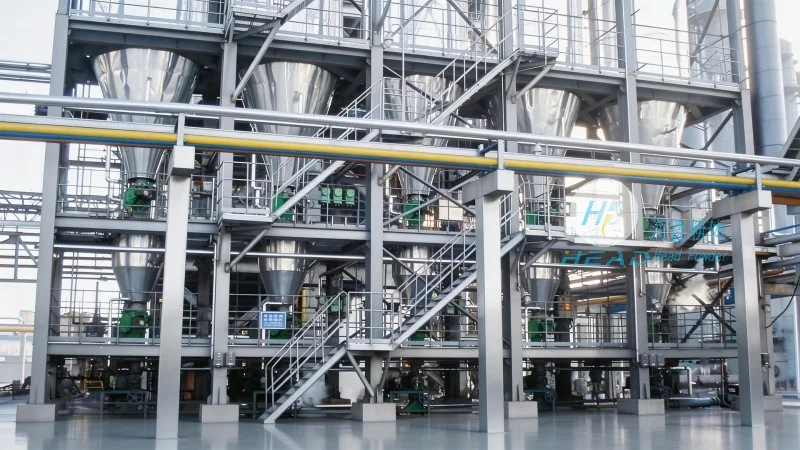
The choice between positive and negative pressure conveying depends on several practical factors. For instance, the distance between the source and destination, the material's properties (such as particle size and moisture content), and the required throughput are all important. In addition, the cost of equipment and maintenance, as well as the space available for installation, should be evaluated. Companies like Shandong HeadPowder Engineering Co., Ltd. (headpowder) specialize in designing and implementing customized pneumatic conveying solutions tailored to specific industrial needs. Their expertise in both positive and negative pressure systems allows them to provide comprehensive advice and support to clients, ensuring optimal performance and efficiency. They consider factors such as the carbon black's characteristics, the desired transport distance, and the client's operational goals to recommend the most suitable system. By leveraging their engineering capabilities, headpowder helps industries enhance their material handling processes, reduce downtime, and improve overall productivity.
In conclusion, both positive and negative pressure pneumatic conveying systems offer effective solutions for carbon black transportation, each with its own advantages and limitations. By understanding the principles and applications of each mode, industrial operators can make informed decisions to enhance their production processes. Shandong HeadPowder Engineering Co., Ltd. remains committed to delivering high-quality engineering solutions that meet the diverse requirements of the carbon black industry, ensuring reliable and efficient material handling. Their experience and technical expertise make them a trusted partner for businesses seeking to optimize their pneumatic conveying operations.




