For industrial applications involving the transport of gray calcium materials, selecting the appropriate pneumatic conveying system is crucial for efficiency, cost-effectiveness, and operational reliability. Two primary modes dominate the industry: positive pressure and negative pressure systems. This analysis delves into the technical nuances, advantages, and practical considerations of each mode, providing insights for engineers and facility managers to make informed decisions.
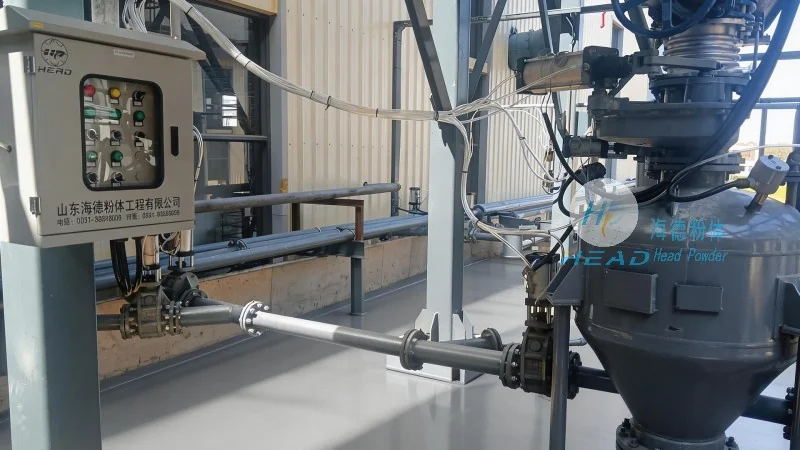
Understanding Positive Pressure Pneumatic Conveying
Positive pressure systems operate by generating high-pressure air or gas within the conveying line, which forces material through the system. In the context of gray calcium handling, this method is particularly effective for long-distance or complex route applications. The system typically includes a blower or compressor at the discharge end, ensuring consistent air pressure to maintain material flow. A key advantage is the ability to handle abrasive or sticky materials, as the high pressure prevents material buildup and ensures smooth transport. However, positive pressure systems require robust equipment to withstand the pressure, and maintenance costs can be higher due to the need for durable components.
Advantages of Positive Pressure for Gray Calcium Transport
When transporting gray calcium, positive pressure systems offer several benefits. Firstly, they excel in handling high-volume material flows, making them suitable for large-scale production lines. The consistent pressure ensures that material is conveyed without interruptions, reducing downtime and increasing overall productivity. Additionally, positive pressure systems are less susceptible to blockages caused by moisture or dust accumulation, as the high-pressure air keeps the material suspended and moving. For facilities dealing with large quantities of gray calcium, this reliability is a significant advantage. However, the initial investment and operational costs are higher compared to negative pressure systems, which may impact budget considerations for smaller operations.
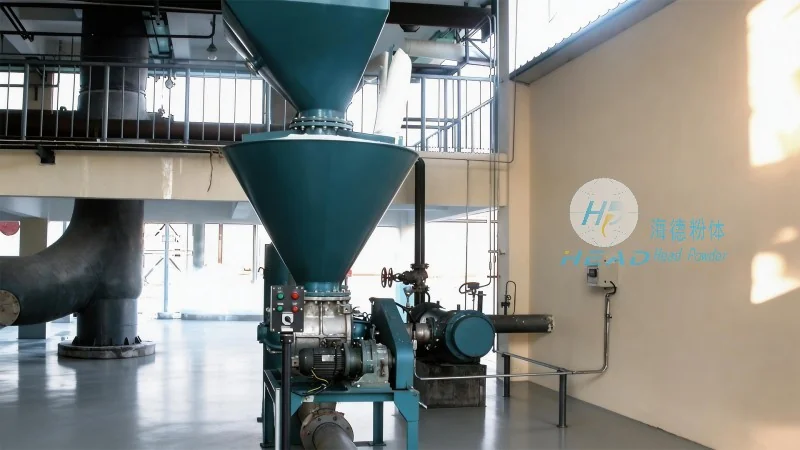
Exploring Negative Pressure Pneumatic Conveying
Negative pressure systems, conversely, create a vacuum within the conveying line, drawing material from the source to the receiver. This mode is often preferred for shorter distances or applications where the material is less abrasive and the risk of dust contamination is minimal. The system uses a fan or vacuum pump at the inlet to create the negative pressure, which pulls material through the line. A notable advantage is the lower equipment cost and simpler installation, as the system does not require high-pressure components. However, negative pressure systems are more prone to blockages, especially with fine or powdery materials like gray calcium, as the vacuum can cause particles to cling to the line walls. This may require more frequent cleaning and maintenance.
Key Considerations for Gray Calcium Handling
When choosing between positive and negative pressure systems for gray calcium, several factors must be evaluated. The distance between the source and destination is a primary consideration. For long distances (typically over 100 meters), positive pressure systems are generally more effective due to their ability to maintain pressure over extended lengths. Conversely, for shorter distances (under 50 meters), negative pressure systems may offer sufficient performance with lower costs. Material characteristics also play a critical role. If the gray calcium is highly abrasive or prone to clumping, positive pressure is preferable to prevent equipment wear and maintain flow. Conversely, if the material is relatively dry and non-sticky, negative pressure can be a cost-effective solution. Additionally, environmental factors such as dust control and noise levels should be considered. Positive pressure systems may generate more noise due to high-pressure blowers, while negative pressure systems can create dust emissions at the inlet, requiring proper filtration and ventilation.
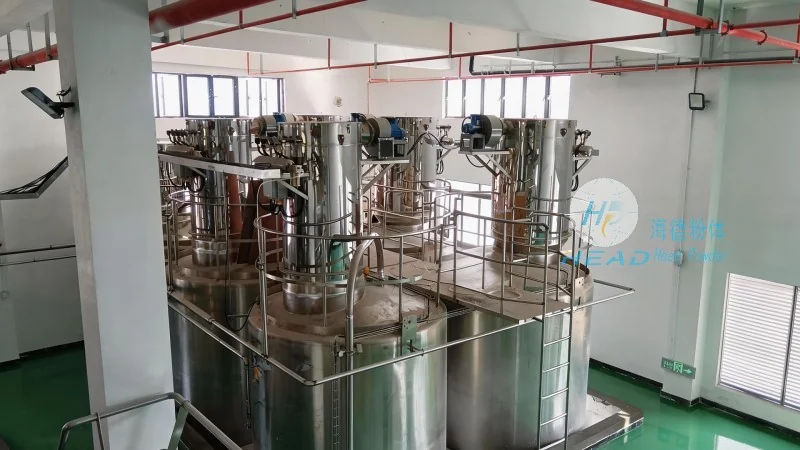
Case Study: Application in Cement and Construction Industries
Gray calcium is widely used in the cement and construction sectors, where efficient material transport is essential for production efficiency. A case study from a cement plant in Shandong, China, illustrates the application of positive pressure systems for transporting gray calcium from storage silos to mixing stations. The plant opted for a positive pressure system due to the need to cover a distance of 150 meters and handle large volumes of material. The system was equipped with a high-efficiency blower and a flexible hose system to navigate around existing infrastructure. The result was a 20% reduction in downtime compared to previous manual handling methods, and the system maintained consistent material flow, ensuring smooth production. This example highlights the effectiveness of positive pressure systems in industrial settings where reliability and volume are paramount.
Conclusion: Selecting the Right Pneumatic Conveying Mode
Ultimately, the choice between positive and negative pressure pneumatic conveying for gray calcium depends on a combination of operational requirements, material characteristics, and budget constraints. Positive pressure systems offer superior performance for long distances and abrasive materials, though at a higher cost. Negative pressure systems provide a cost-effective solution for shorter distances and less demanding applications, with the trade-off of increased maintenance and potential blockages. By carefully evaluating the specific needs of the gray calcium handling process, facility managers can select the most suitable system to optimize efficiency, reduce costs, and ensure long-term operational success. For companies like Shandong HeadPowder Engineering Co., Ltd., which specializes in custom pneumatic conveying solutions, understanding these technical differences is key to delivering effective and reliable systems for their clients.




