Pneumatic conveying is a critical process in the handling of zinc oxide, a material widely used in various industrial applications such as rubber, plastics, and pharmaceuticals. The choice between positive pressure and negative pressure systems significantly impacts operational efficiency, material quality, and overall system reliability. This article aims to provide a comprehensive guide to help decision-makers understand the nuances of each method and make an informed choice for their zinc oxide conveying needs.
The Importance of Selecting the Right Conveying Method for Zinc Oxide
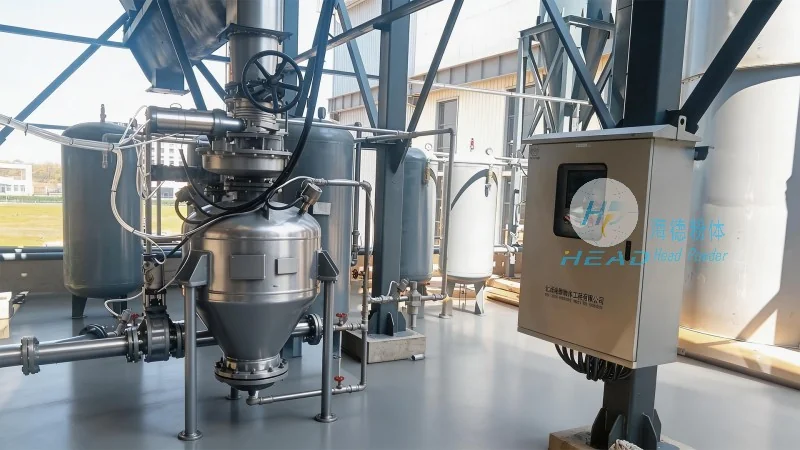
Pneumatic conveying systems are essential for transporting zinc oxide from storage to processing units without the need for mechanical components like conveyors or elevators. However, the performance of these systems is highly dependent on the pressure differential and the type of system employed. The wrong choice can lead to issues such as material degradation, system inefficiencies, or even safety hazards. Therefore, understanding the differences between positive and negative pressure conveying is crucial for optimizing the handling of zinc oxide.
Understanding Positive Pressure vs. Negative Pressure Conveying Systems
Positive pressure conveying systems operate by blowing air or gas into the material stream, creating a pressure higher than the ambient air pressure. This method is often preferred for materials that are prone to dusting or for applications requiring high material flow rates. The positive pressure system pushes the material through the pipeline, ensuring consistent flow and reducing the risk of blockages. In contrast, negative pressure (or vacuum) conveying systems draw material into the system by creating a lower pressure than the ambient environment. This approach is typically used for materials that are less dusty or for applications where the material needs to be transported over longer distances with lower air consumption.
Key Factors to Consider When Choosing Between Positive and Negative Pressure for Zinc Oxide Conveying
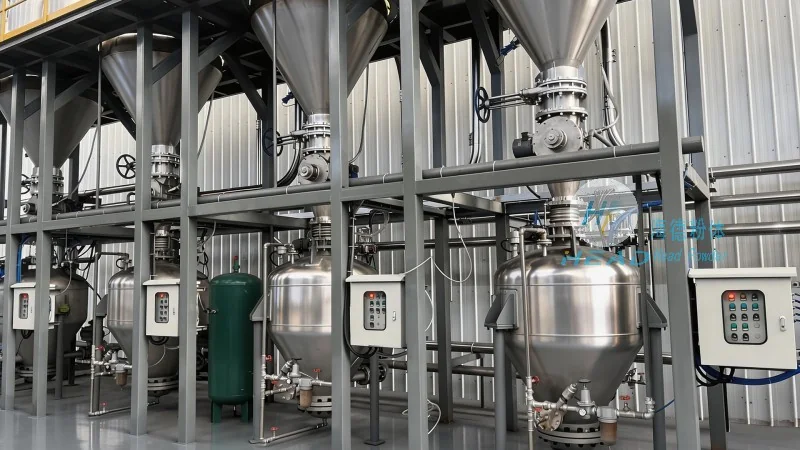
Several factors must be evaluated when deciding between positive and negative pressure systems for zinc oxide. The first is the material's physical properties, including its density, moisture content, and dust generation characteristics. Zinc oxide is a fine powder, which can be challenging to handle due to its tendency to create dust and clog pipelines. Positive pressure systems are generally better suited for such materials as they can maintain a consistent flow and reduce the risk of clogging. The second factor is the distance and layout of the conveying system. Positive pressure systems are more suitable for shorter distances or when the material needs to be transported in a straight line, as they can maintain higher pressure levels. Negative pressure systems, on the other hand, are ideal for longer distances or when the material needs to be transported over obstacles or changes in elevation.
The third factor is the air consumption and energy efficiency. Positive pressure systems typically require more air than negative pressure systems, especially for high flow rates. However, they can be more energy-efficient in terms of maintaining pressure and reducing the risk of material degradation. Negative pressure systems consume less air but may require more maintenance due to the higher risk of dust accumulation and system wear. The fourth factor is the safety considerations. Positive pressure systems are generally safer as they do not create a vacuum that could draw in external contaminants. Negative pressure systems, while effective for some applications, may pose a risk of dust exposure if not properly sealed.
How to Differentiate Between Positive and Negative Pressure Systems in Practice
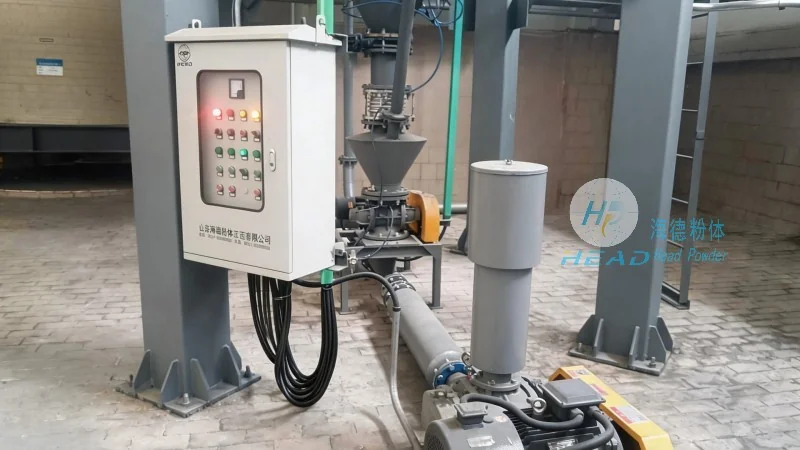
Practically, differentiating between the two systems involves observing the pressure readings and the direction of material flow. In a positive pressure system, the pressure inside the pipeline is higher than the ambient air pressure, and the material is pushed through the system. This can be confirmed by checking the pressure gauges, which will show a positive reading above atmospheric pressure. The system typically uses blowers or compressors to generate the pressure. In a negative pressure system, the pressure inside the pipeline is lower than the ambient air pressure, and the material is drawn into the system. The pressure gauges will show a negative reading below atmospheric pressure. This system uses vacuum pumps to create the suction.
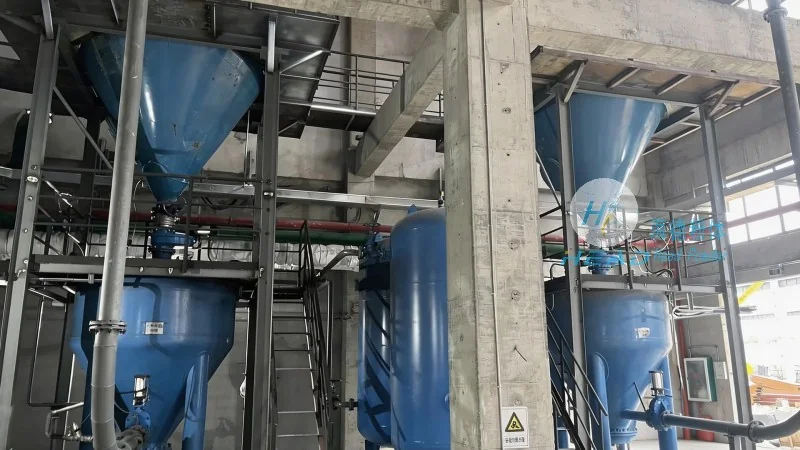
Another way to differentiate is by examining the material handling equipment. Positive pressure systems often use rotary air locks or star valves at the inlet and outlet to control the flow and prevent backflow. Negative pressure systems may use suction nozzles or venturi tubes to draw the material into the system. The presence of these components can help identify the type of system being used. Additionally, the noise level and air flow direction can provide clues. Positive pressure systems tend to have higher noise levels due to the blowers, while negative pressure systems may have lower noise but higher suction noise.
Conclusion
Choosing between positive pressure and negative pressure for zinc oxide pneumatic conveying requires a careful evaluation of the material's properties, system requirements, and operational constraints. Positive pressure systems offer advantages in terms of material flow consistency, reduced clogging risk, and better safety, making them suitable for fine powders like zinc oxide. Negative pressure systems, while effective for certain applications, may be less efficient and more prone to maintenance issues. By understanding the key factors and differentiating between the two systems, manufacturers can select the most appropriate conveying method to ensure efficient and reliable handling of zinc oxide.




