For industrial applications involving PTFE (Polytetrafluoroethylene), selecting the appropriate conveying method is crucial for efficiency, material integrity, and operational safety. This article provides a detailed comparison of common PTFE conveying methods, highlighting their advantages and disadvantages, to assist in informed decision-making for material handling processes.
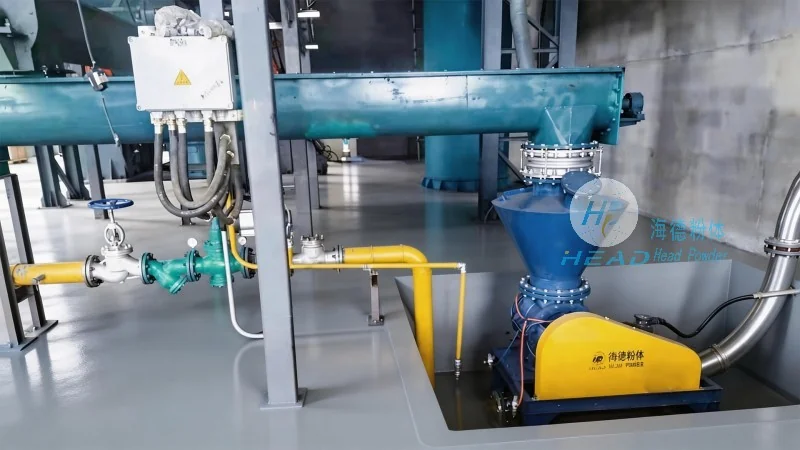
Introduction to PTFE Conveying Methods
PTFE is a highly versatile and chemically inert material widely used in various industries, including chemical processing, semiconductor manufacturing, and aerospace. Its unique properties, such as non-stick surfaces, high temperature resistance, and chemical resistance, make it essential for applications where other materials may fail. However, due to its low friction and sometimes abrasive nature, specialized conveying methods are required to ensure effective and safe material transport. The primary methods for PTFE conveying include positive displacement pumps, gravity flow systems, vacuum-assisted systems, and pneumatic conveying. Each method has distinct characteristics that influence its suitability for different operational scenarios.
Method 1: Positive Displacement Pumps
Positive displacement pumps are among the most common and effective methods for PTFE conveying. These pumps, such as rotary lobe or screw pumps, operate by trapping a fixed volume of material and then displacing it to the discharge point. The advantages of using positive displacement pumps for PTFE include precise flow control, consistent pressure, and the ability to handle viscous or shear-sensitive materials without degradation. The pump's design minimizes shear forces, which is critical for maintaining the integrity of PTFE particles or powders. Additionally, these pumps can handle a wide range of PTFE forms, including powders, granules, and fibers, making them versatile for various applications. However, the disadvantages include higher initial costs compared to other methods, potential for material buildup in the pump chambers, and the need for regular maintenance to prevent wear. The cost factor may be a concern for small-scale operations or those with budget constraints. Moreover, the maintenance requirements can increase operational downtime and maintenance expenses over time.
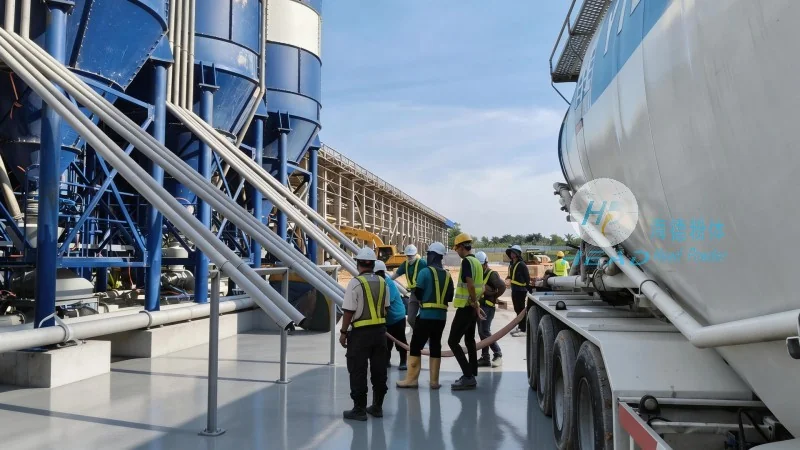
Method 2: Gravity Flow Systems
Gravity flow systems utilize the natural force of gravity to move PTFE materials from a higher elevation to a lower point. This method typically involves chutes, hoppers, and conveyor belts or rollers arranged in a sloped configuration. The primary advantage of gravity flow is its low energy consumption, as it does not require external power sources like pumps or blowers. This makes it an economical choice for applications where the material can be easily moved by gravity, such as in bulk storage and transfer from silos to processing equipment. Gravity flow systems are also simple in design, requiring minimal maintenance and reducing the risk of mechanical failure. However, the disadvantages are significant. The method is highly dependent on the vertical distance and the angle of the conveyor, limiting its use to applications where the material can be moved vertically or at a steep angle. For horizontal or shallow incline applications, gravity flow is ineffective. Additionally, the system may not be suitable for handling fine powders or materials that tend to settle or clog the chutes, as this can lead to uneven flow or blockages. The lack of control over flow rate also poses challenges for applications requiring precise dosing or consistent material delivery.
Method 3: Vacuum-Assisted Conveying
Vacuum-assisted conveying systems use a vacuum pump to create a negative pressure that draws PTFE material from a source into a collection or processing unit. This method is particularly effective for handling fine powders or granules that are difficult to move by other means. The advantages of vacuum-assisted systems include the ability to convey materials over long distances and through multiple points of transfer without the need for extensive piping. The vacuum also helps in maintaining material cleanliness by preventing dust dispersion into the environment. These systems are often more flexible than positive displacement pumps, as they can be easily reconfigured for different material types or operational needs. However, the disadvantages include higher energy consumption compared to gravity flow, as the vacuum pump requires continuous power. This can increase operational costs, especially for large-scale or continuous operations. Additionally, the system may be prone to clogging if the material is too fine or has high moisture content, as the vacuum can cause particles to adhere to the tubing or collection vessel. The maintenance of vacuum pumps and associated components also adds to the overall operational burden.
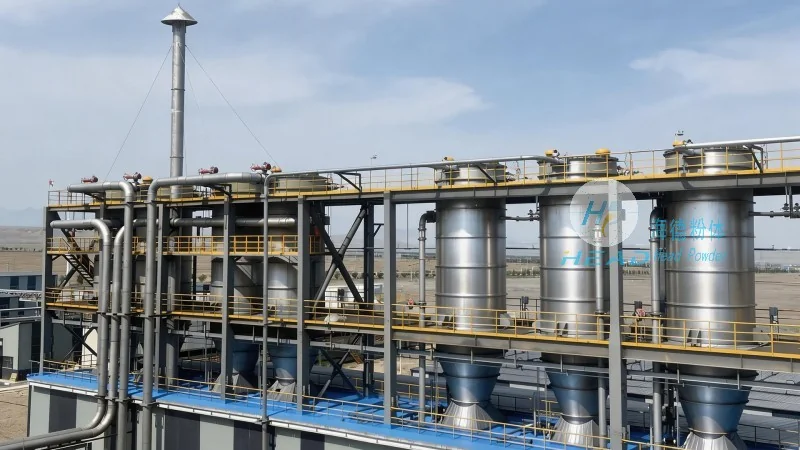
Method 4: Pneumatic Conveying
Pneumatic conveying uses compressed air or other gases to transport PTFE materials through a pipeline. This method can be either pressure or vacuum-based, depending on the application. The advantages of pneumatic conveying include high material throughput rates, the ability to handle a wide range of PTFE forms, and the flexibility to move materials over long distances or through complex layouts. The system can also be integrated with other processing equipment, such as mixers or reactors, for seamless material transfer. However, the disadvantages are notable. Pneumatic systems require significant energy input due to the need for compressed air, which can lead to higher operational costs. The high velocity of the air can cause wear on the pipeline and components, especially when handling abrasive PTFE powders. Additionally, the system may not be suitable for very fine powders or those with high moisture content, as the air flow can cause agglomeration or clogging. The noise generated by the compressed air system is another consideration, as it may not be suitable for applications in noise-sensitive environments. The maintenance of air compressors and filters is also essential to ensure consistent performance and prevent contamination of the PTFE material.
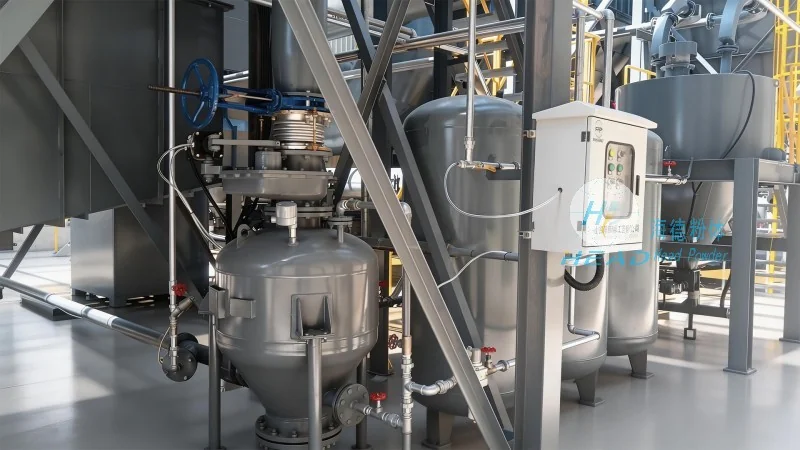
Factors Influencing Conveying Method Selection
The choice of PTFE conveying method depends on several key factors, including the material form (powder, granule, fiber), the required flow rate, the distance to be conveyed, the vertical and horizontal elevation changes, and the operational environment. For example, positive displacement pumps are often preferred for high-viscosity or shear-sensitive PTFE materials, while gravity flow is suitable for bulk materials with minimal vertical movement. Vacuum-assisted systems are ideal for fine powders that need to be collected from multiple points, and pneumatic conveying is best for long-distance or complex layouts. The cost of the system, including initial investment and ongoing maintenance, is also a critical factor. Small-scale operations may opt for gravity flow or simple vacuum systems due to lower costs, whereas large-scale industrial applications may require more robust positive displacement or pneumatic systems to meet throughput demands. Environmental considerations, such as dust control and material cleanliness, also play a role in method selection. For example, vacuum-assisted systems are preferred in applications where dust dispersion must be minimized, while pneumatic systems may require additional filtration to maintain material purity.
Conclusion
In conclusion, selecting the appropriate PTFE conveying method requires a careful evaluation of the material's properties, operational requirements, and cost considerations. Each method has its strengths and limitations, and the optimal choice depends on the specific application and operational constraints. Positive displacement pumps offer precision and versatility but at a higher cost and maintenance requirement. Gravity flow systems are economical and simple but limited by vertical movement. Vacuum-assisted systems provide flexibility and cleanliness but at higher energy costs. Pneumatic conveying offers high throughput and flexibility but with higher energy and maintenance demands. By understanding these factors and the characteristics of each method, industrial operators can choose the most suitable PTFE conveying solution to ensure efficient, safe, and cost-effective material handling. This approach not only enhances operational efficiency but also protects the integrity of the PTFE material, ensuring its performance in critical applications.




