Resin delivery is a critical process in various industrial applications, particularly in manufacturing and processing where precise and efficient material transport is essential. The choice of resin delivery method significantly impacts production efficiency, material quality, and operational costs. This article provides a detailed comparison of common resin delivery methods, highlighting their advantages and disadvantages to help industrial professionals make informed decisions.
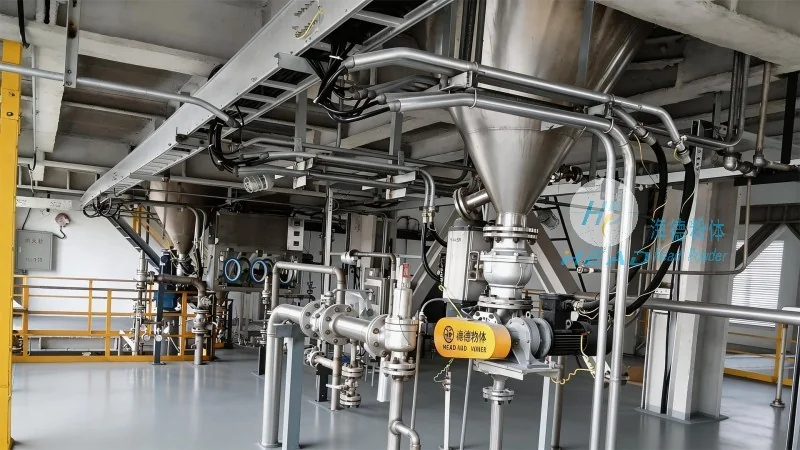
Introduction to Resin Delivery Methods
Resin, a versatile polymer used in coatings, adhesives, and composite materials, requires reliable and efficient delivery systems to ensure consistent performance. The primary goal of resin delivery is to transport the material from storage to processing equipment without degradation, contamination, or loss of properties. Several methods are commonly employed, each with distinct characteristics that suit different operational requirements.
Pump-Driven Resin Delivery
Pump-driven systems are among the most widely used methods for resin delivery due to their ability to handle high-viscosity materials and maintain consistent pressure. These systems typically include positive displacement pumps, such as gear pumps or piston pumps, which are ideal for delivering resins with varying viscosities. The primary advantage of pump-driven delivery is the precise control over flow rate and pressure, ensuring uniform resin distribution in applications like casting or coating. However, these systems can be complex and require regular maintenance to prevent wear and tear, which may increase operational costs over time.
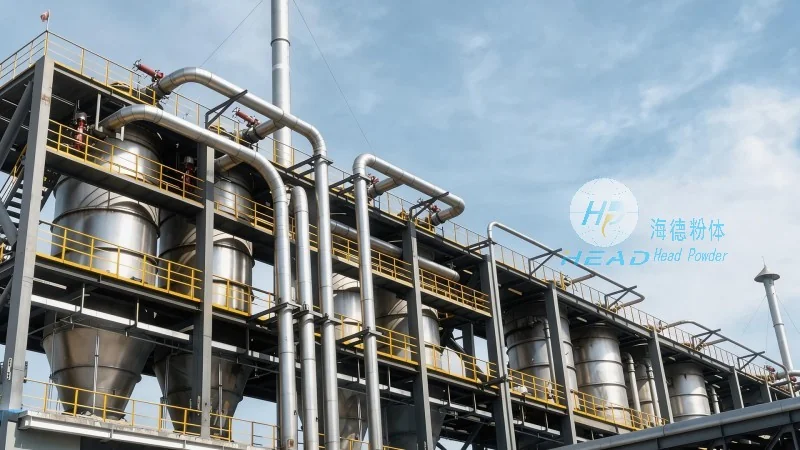
Gravity-Driven Resin Delivery
Gravity-driven delivery relies on the natural force of gravity to transport resin from a storage tank to processing equipment. This method is often used for low-viscosity resins and in applications where a simple, low-cost solution is preferred. The main advantage of gravity-driven systems is their minimal energy consumption and lack of moving parts, reducing maintenance requirements and operational expenses. However, this method is limited by the vertical distance between the storage tank and the processing equipment, as excessive height can lead to uneven flow and potential air entrapment. Additionally, gravity-driven systems may not be suitable for high-viscosity resins or those requiring precise pressure control.
Air-Driven Resin Delivery
Air-driven delivery systems use compressed air to create a pressure differential that moves resin through a pipeline. This method is commonly known as air-operated double-diaphragm (AODD) pumps or air-assisted pumps. The primary advantage of air-driven systems is their simplicity and ability to handle a wide range of viscosities without the need for complex mechanical components. These systems are particularly useful in applications where electric power is limited or where explosion-proof requirements are necessary. However, air-driven pumps may introduce air bubbles into the resin, which can affect the final product's quality, especially in applications requiring high surface finish or uniformity. Additionally, the efficiency of air-driven systems can be lower compared to pump-driven methods, leading to higher energy consumption.
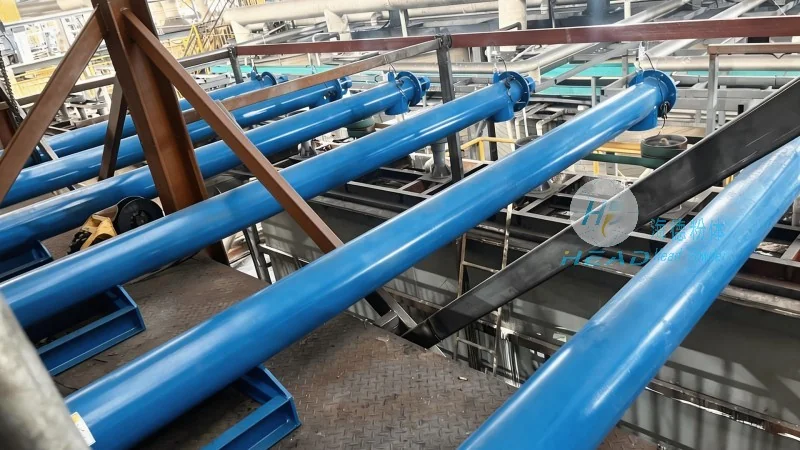
Comparison and Selection Criteria
When selecting a resin delivery method, several factors must be considered, including the resin's viscosity, required flow rate, pressure needs, and operational environment. Pump-driven systems offer the highest control and are suitable for high-viscosity resins and demanding applications. Gravity-driven systems are ideal for low-viscosity resins and cost-sensitive operations. Air-driven systems provide a balance between simplicity and performance, making them suitable for applications requiring flexibility and safety. Ultimately, the choice of resin delivery method should align with the specific requirements of the production process to ensure optimal performance and cost-effectiveness.
Conclusion
Resin delivery methods play a crucial role in industrial operations, and understanding the advantages and disadvantages of each approach is essential for optimizing production efficiency and material quality. By carefully evaluating factors such as viscosity, flow rate, and operational constraints, industrial professionals can select the most appropriate resin delivery method for their specific needs. Shandong HeadPowder Engineering Co., Ltd., a leading provider of resin processing solutions, offers a range of equipment and expertise to support efficient resin delivery in various industrial applications. With a focus on quality and innovation, HeadPowder continues to enhance resin processing technologies to meet the evolving demands of the industry.




