Rice husk, a byproduct of rice processing, is widely used in various industries such as power generation, fertilizer production, and biofuel manufacturing. Efficient and reliable conveying methods are crucial for handling this material, as it often poses unique challenges due to its lightweight, abrasive, and sometimes flammable nature. This article provides a detailed comparison of common rice husk conveying methods, highlighting their advantages and disadvantages to help industry professionals make informed decisions.
Introduction to Rice Husk Conveying
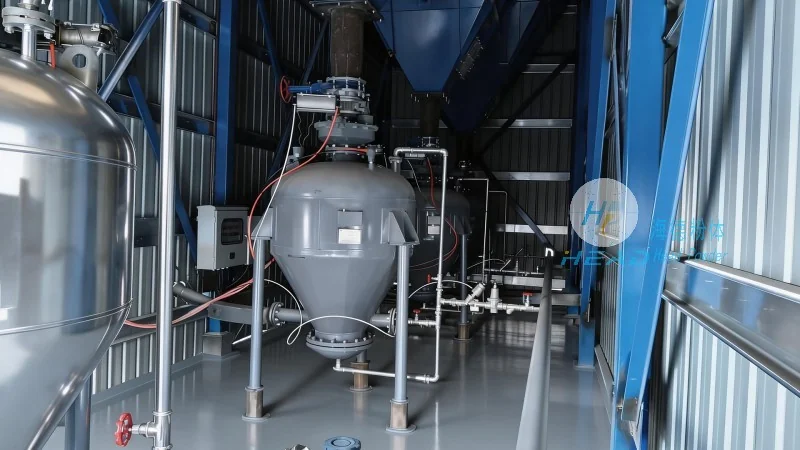
Rice husk, also known as rice husks or rice husk shells, is a fibrous and lightweight material that requires specialized equipment for transportation. The choice of conveying method depends on factors like the volume of material, distance to be transported, environmental conditions, and the specific requirements of the downstream process. Common methods include screw conveyors, pneumatic conveyors, belt conveyors, and bucket elevators. Each method has its own set of benefits and drawbacks, which are discussed below.
Screw Conveyors for Rice Husk Transport
Screw conveyors, also called auger conveyors, are one of the most widely used methods for transporting rice husk. These systems consist of a rotating helical screw inside a trough, which moves material from the inlet to the outlet. The main advantages of screw conveyors include their simplicity, low cost, and ability to handle a wide range of materials, including those with high moisture content. They are particularly effective for short to medium distances and can be easily integrated into existing processing lines. However, screw conveyors have several limitations. They are not suitable for transporting very lightweight or fine materials, as the material may not maintain sufficient friction against the screw surface. Additionally, they can be prone to clogging, especially when handling fibrous or sticky materials like rice husk. The high friction between the screw and the material can also lead to increased wear and tear on the equipment, requiring more frequent maintenance. Furthermore, screw conveyors are generally less efficient for long-distance transport compared to other methods, as the material may experience significant degradation or segregation during the process.
Pneumatic Conveying Systems for Rice Husk
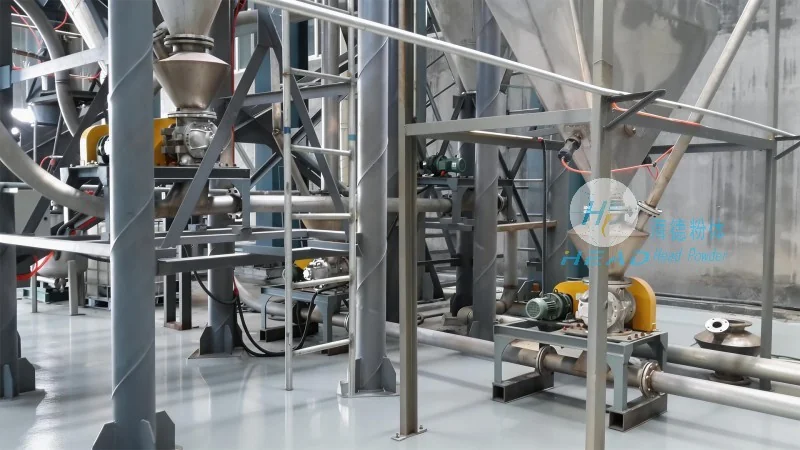
Pneumatic conveying, or air conveying, uses compressed air to transport rice husk through a pipeline. This method is particularly suitable for handling fine or powdery materials and can cover long distances with minimal material loss. The primary advantage of pneumatic systems is their ability to transport material in a closed system, which helps maintain product quality and prevents contamination from external elements. They are also highly flexible, as the pipeline can be easily reconfigured to accommodate changes in the processing flow. However, pneumatic conveying has significant drawbacks. The high energy consumption is a major concern, as it requires powerful compressors to generate the necessary air pressure. This can lead to increased operational costs, especially for large-scale operations. Additionally, the system is susceptible to pressure drops and blockages, which can cause downtime and reduce efficiency. The equipment also requires regular maintenance to ensure the air filters and seals are functioning properly, as any leaks can compromise the system's performance. Another limitation is the potential for material degradation due to the high velocity of air, which can cause abrasion and breakage of the rice husk particles.
Belt Conveyors in Rice Husk Handling
Belt conveyors are commonly used in bulk material handling for transporting rice husk over long distances. These systems consist of a continuous belt that moves material from one point to another, often supported by rollers or idlers. The main advantage of belt conveyors is their high capacity and ability to handle large volumes of material efficiently. They are particularly effective for long-distance transport and can be easily scaled up to meet the needs of large-scale operations. Belt conveyors also offer low maintenance costs compared to other methods, as the moving parts are relatively simple and durable. However, belt conveyors have several limitations. They are not suitable for transporting very lightweight or fine materials, as the material may not maintain sufficient friction against the belt surface, leading to slippage and reduced efficiency. The system is also susceptible to material spillage and contamination, as the open design allows dust and debris to escape. Additionally, belt conveyors require regular cleaning and maintenance to prevent the buildup of material on the belt, which can cause wear and tear and reduce the system's lifespan. The high initial investment cost is another factor to consider, as the equipment is more expensive than other conveying methods.
Bucket Elevators for Vertical Rice Husk Transport
Bucket elevators are specialized equipment designed for vertical transport of rice husk. These systems consist of a vertical or inclined conveyor with buckets attached to a chain or belt, which lifts material from the bottom to the top. The main advantage of bucket elevators is their ability to handle vertical transport efficiently, which is often necessary in processing plants where material needs to be elevated to different levels. They are particularly effective for transporting large volumes of material over vertical distances, with minimal material loss. Bucket elevators also offer high reliability and durability, as the equipment is designed to withstand the rigors of continuous operation. However, bucket elevators have several drawbacks. They are not suitable for transporting very lightweight or fine materials, as the buckets may not maintain sufficient grip on the material, leading to slippage and reduced efficiency. The system is also susceptible to blockages and wear, especially on the buckets and chains, which require regular inspection and replacement. The high initial investment cost is another factor to consider, as bucket elevators are more expensive than other conveying methods. Additionally, the system requires careful alignment and maintenance to ensure smooth operation, as any misalignment can cause increased wear and potential breakdowns.
Choosing the Right Conveying Method for Rice Husk
When selecting a conveying method for rice husk, it is essential to consider several factors to ensure optimal performance and cost-effectiveness. The volume and characteristics of the material, such as its size, moisture content, and abrasiveness, are critical factors. The distance to be transported and the required speed of the system also play a significant role. Additionally, the specific requirements of the downstream process, such as the need for a closed system or minimal material degradation, should be taken into account. For short to medium distances and moderate volumes, screw conveyors may be the most cost-effective option. For long-distance transport and fine materials, pneumatic conveying systems are often preferred. Belt conveyors are suitable for large-scale operations and long distances, while bucket elevators are ideal for vertical transport. It is also important to consider the maintenance requirements and operational costs of each method to ensure long-term efficiency. Consulting with industry experts, such as Shandong HeadPowder Engineering Co., Ltd., can provide valuable insights into the best conveying solutions for specific applications.
Conclusion
In conclusion, the choice of rice husk conveying method depends on a variety of factors, including the material's characteristics, transport distance, and process requirements. Each method has its own advantages and disadvantages, and selecting the right one is crucial for efficient and cost-effective operation. By understanding the strengths and limitations of each option, industry professionals can make informed decisions that optimize their processing lines. Shandong HeadPowder Engineering Co., Ltd., with its expertise in engineering and manufacturing, offers comprehensive solutions for rice husk conveying, ensuring that clients can choose the most suitable equipment for their specific needs. Whether it's a screw conveyor, pneumatic system, belt conveyor, or bucket elevator, HeadPowder provides reliable and efficient solutions to meet the demands of the rice husk industry.




