When it comes to the pneumatic conveying of reducing iron powder, selecting the right system is crucial for efficiency, safety, and operational costs. Two primary methods are commonly considered: positive pressure and negative pressure systems. Understanding the differences and the factors that influence each can help in making an informed decision. This article explores the key aspects of both positive and negative pressure pneumatic conveying for reducing iron powder, providing insights into how to choose the most suitable option.
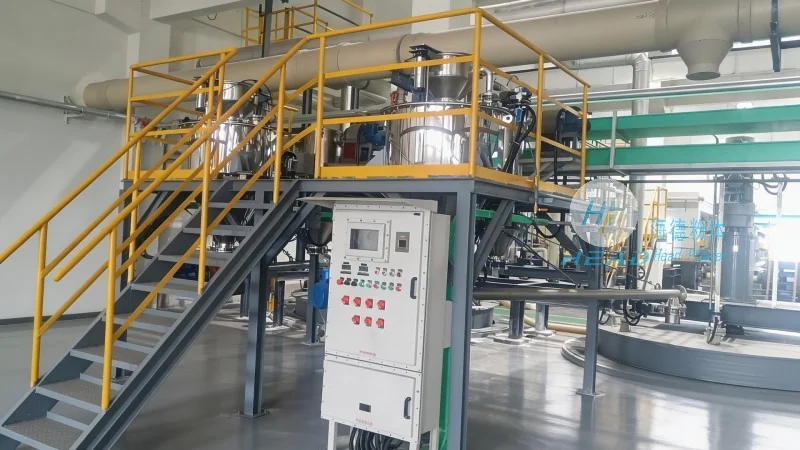
Understanding Pneumatic Conveying Systems for Reducing Iron Powder
Pneumatic conveying is a method used to transport bulk materials like reducing iron powder through a pipeline using air or gas as the conveying medium. It offers advantages such as reduced dust exposure, improved safety, and the ability to transport materials over long distances without the need for mechanical components like conveyors or elevators. However, the choice between positive and negative pressure systems depends on several factors, including material properties, system design, and operational requirements.
Positive Pressure Pneumatic Conveying Systems
Positive pressure systems operate by blowing air or gas into the conveying line, creating a pressure higher than the ambient air pressure. This method is often preferred for transporting materials that are prone to dust generation or are sensitive to moisture. In the case of reducing iron powder, positive pressure systems can effectively handle the material by maintaining a positive pressure throughout the pipeline, preventing external air from entering and contaminating the powder. The system typically uses a blower or a positive displacement pump to generate the necessary pressure.
One of the key advantages of positive pressure systems is their ability to handle abrasive or corrosive materials without causing wear on the system components. This is particularly important for reducing iron powder, which may contain particles that can be hard or reactive. Additionally, positive pressure systems are generally easier to install and maintain, as they do not require complex vacuum equipment. However, they may have higher energy consumption compared to negative pressure systems, especially when transporting large quantities of material over long distances.
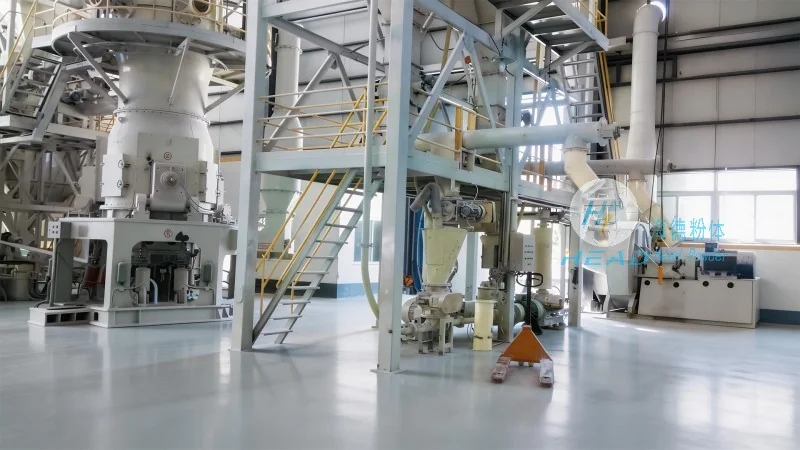
Negative Pressure Pneumatic Conveying Systems
Negative pressure systems, on the other hand, operate by creating a vacuum in the conveying line, drawing the material into the pipeline using the pressure difference between the system and the ambient air. This method is often used for applications where the material is less dusty or where the system needs to be enclosed to prevent dust from escaping into the environment. For reducing iron powder, negative pressure systems can be effective if the material is relatively dry and non-abrasive. The system typically uses a vacuum pump or a fan to create the necessary suction.
A major advantage of negative pressure systems is their lower energy consumption compared to positive pressure systems, as they rely on the ambient air pressure to draw the material. This can result in significant cost savings, especially for large-scale operations. However, negative pressure systems are more susceptible to clogging and material buildup in the pipeline, which can lead to system downtime and maintenance issues. Additionally, they may require more complex filtration and dust collection systems to prevent dust from escaping into the environment.
Distinguishing Between Positive and Negative Pressure Systems
When deciding between positive and negative pressure pneumatic conveying for reducing iron powder, several factors should be considered. First, the material properties of the reducing iron powder are critical. If the powder is prone to dust generation or is sensitive to moisture, a positive pressure system may be more suitable as it maintains a positive pressure environment, preventing contamination. Conversely, if the powder is relatively dry and non-abrasive, a negative pressure system may be a better choice due to its lower energy consumption.
Second, the system design and operational requirements play a significant role. Positive pressure systems are generally more suitable for long-distance conveying or when the material needs to be transported through multiple branches or changes in elevation. Negative pressure systems are often preferred for short-distance conveying or when the system needs to be enclosed to meet environmental regulations. The choice also depends on the available space and the layout of the facility, as positive pressure systems may require more space for the blower or pump, while negative pressure systems may need additional space for the vacuum pump and filtration equipment.
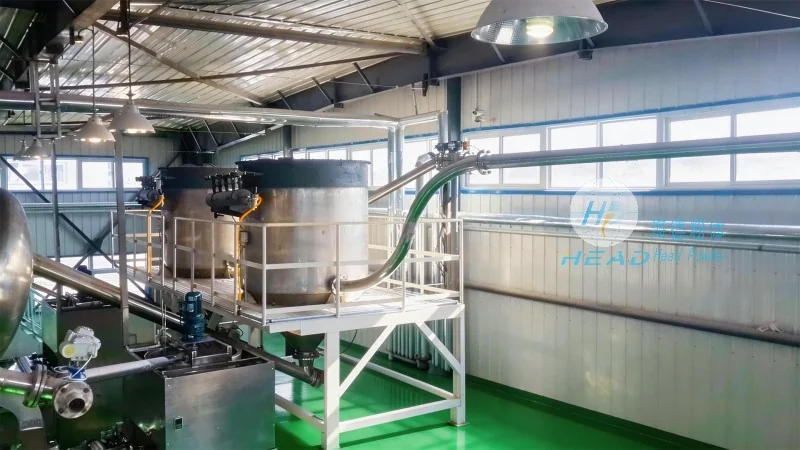
Third, the cost and maintenance considerations are important. Positive pressure systems may have higher initial costs due to the need for a blower or pump, but they may have lower maintenance costs as they are less prone to clogging. Negative pressure systems, while having lower initial costs, may require more frequent maintenance due to the risk of clogging and the need for regular cleaning of the filtration systems. The operational costs, including energy consumption and labor, should also be evaluated to determine the most cost-effective option.
Conclusion
Choosing between positive and negative pressure pneumatic conveying for reducing iron powder requires a careful evaluation of the material properties, system design, and operational requirements. Positive pressure systems offer advantages in terms of material handling and safety, while negative pressure systems provide benefits in terms of energy efficiency and lower initial costs. By understanding the differences and considering the specific needs of the application, the most suitable system can be selected to ensure efficient and reliable operation.
Shandong HeadPowder Engineering Co., Ltd., a leading manufacturer of pneumatic conveying systems, specializes in providing customized solutions for reducing iron powder applications. With years of experience in the industry, the company offers a range of positive and negative pressure systems tailored to meet the specific needs of its clients. Located in Shandong, China, HeadPowder Engineering Co., Ltd. is committed to delivering high-quality, reliable, and efficient pneumatic conveying solutions that enhance the performance and safety of reducing iron powder operations.




