When it comes to the efficient and reliable transportation of small particles like Xiaomi (a common term for fine powder materials), the choice of conveying method is critical. Among the various options available, pneumatic conveying stands out as a highly effective solution, offering numerous advantages that make it a preferred choice for industries dealing with such materials. This article provides an in-depth look at the pneumatic conveying methods used for Xiaomi, highlighting the key advantages and features that set it apart from other conveying technologies.
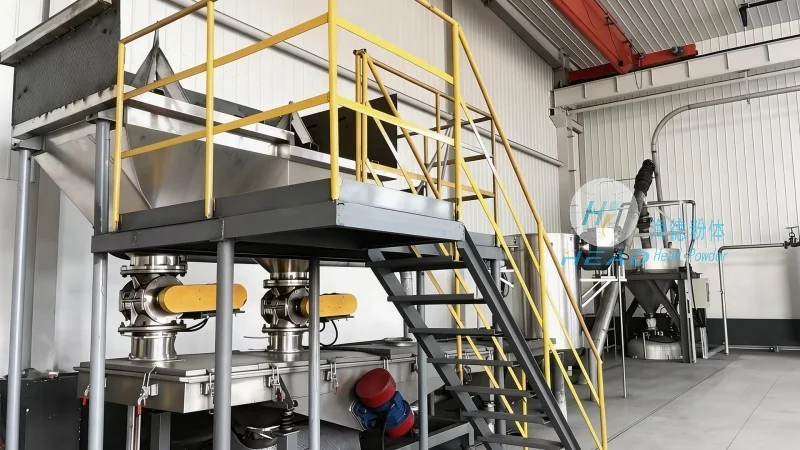
Understanding Pneumatic Conveying for Xiaomi
Pneumatic conveying, also known as air conveying, is a method that uses compressed air or gas to transport bulk materials, such as fine powders, through a pipeline system. Unlike mechanical conveying systems that rely on physical components like belts or screws, pneumatic conveying relies on the flow of air to move the material. This approach is particularly suitable for materials like Xiaomi, which are often light, dusty, and prone to caking or segregation.
The Advantages of Pneumatic Conveying for Xiaomi
One of the primary advantages of pneumatic conveying for Xiaomi is its ability to handle fine powders without causing excessive wear or damage to the material. The air flow in the system gently moves the particles, minimizing the risk of breakage or degradation. Additionally, pneumatic conveying systems can operate in a closed environment, which helps to contain dust and prevent contamination, making them ideal for applications where hygiene and product purity are paramount.
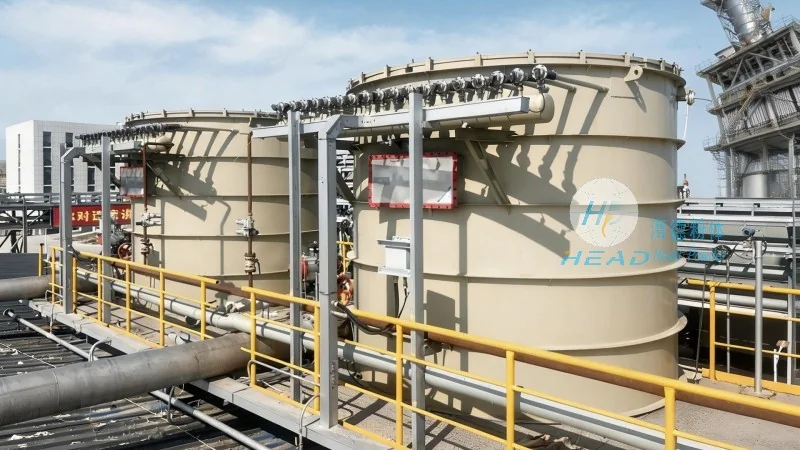
Another significant advantage is the flexibility and scalability of pneumatic conveying systems. They can be easily integrated into existing production lines and adapted to handle varying volumes of material. The system can be designed to transport materials over long distances with minimal energy consumption, making it an economical choice for large-scale operations. Furthermore, pneumatic conveying systems are relatively simple to install and maintain, reducing downtime and operational costs.
Key Features of Pneumatic Conveying Systems for Xiaomi
Modern pneumatic conveying systems for Xiaomi often incorporate advanced features that enhance their performance and efficiency. For instance, some systems use a combination of positive and negative pressure to optimize material transport, allowing for both loading and unloading operations. This dual-pressure approach ensures smooth and continuous flow, even with varying material characteristics. Additionally, many systems are equipped with filtration and dust collection mechanisms to maintain a clean and safe working environment.
Control systems are another critical feature of these conveying systems. Advanced automation allows for precise control over the air flow, pressure, and material flow rate, ensuring consistent and reliable operation. This level of control is essential for maintaining product quality and preventing issues such as blockages or overloading. The integration of sensors and monitoring tools further enhances the system's reliability, providing real-time data on performance and enabling proactive maintenance.
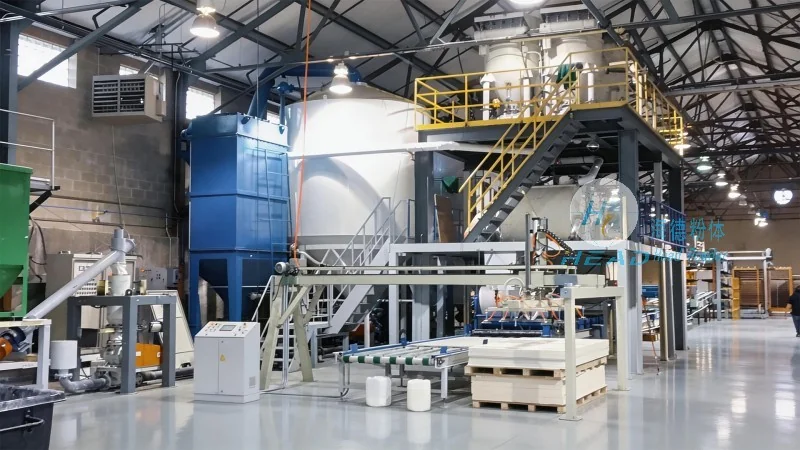
Applications of Pneumatic Conveying for Xiaomi
Pneumatic conveying for Xiaomi finds applications in a wide range of industries, including food processing, pharmaceuticals, chemicals, and agriculture. In the food industry, for example, pneumatic conveying is used to transport ingredients like flour, sugar, and spices, ensuring that the products remain free from contamination and maintain their quality. In the pharmaceutical sector, the closed and sterile nature of pneumatic conveying systems is crucial for handling sensitive medications and preventing cross-contamination.
In the chemical industry, pneumatic conveying is used to transport various powders, such as pigments, catalysts, and reagents. The ability to handle abrasive and corrosive materials without causing damage makes it a preferred choice. Similarly, in the agricultural sector, pneumatic conveying is used to transport grains, seeds, and other bulk materials, improving efficiency and reducing labor costs.




