Trilithium, a critical component in modern lithium-ion battery production, requires efficient and reliable material handling solutions. Pneumatic conveying systems offer a versatile approach to transporting trilithium powder and granules, with two primary modes—positive pressure and negative pressure—each presenting distinct advantages and considerations. This technical analysis explores the differences between these modes, focusing on their applications, performance, and suitability for trilithium handling, as provided by Shandong HeadPowder Engineering Co., Ltd., a leading provider of pneumatic conveying solutions based in China.
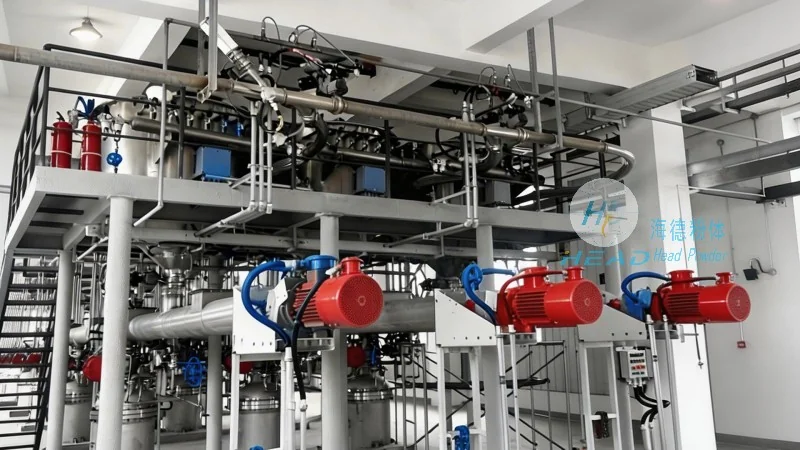
Introduction to Trilithium Pneumatic Conveying Systems
Trilithium, also known as lithium carbonate or lithium hydroxide, is a key raw material in the manufacturing of lithium-ion batteries. Its handling demands systems that can maintain material integrity, minimize dust generation, and ensure consistent flow rates. Pneumatic conveying systems utilize air or gas to transport bulk materials like trilithium, offering advantages over traditional mechanical methods such as reduced equipment wear, lower maintenance costs, and the ability to handle materials in enclosed environments. HeadPowder, a company specializing in pneumatic conveying technology, has developed systems tailored to the unique properties of trilithium, addressing the challenges of dust control and material stability.
Understanding Pneumatic Conveying Modes
Pneumatic conveying systems operate based on the pressure differential between the conveying line and the ambient environment. The two main modes are positive pressure and negative pressure, each with distinct operational principles and applications. Positive pressure systems force air or gas into the conveying line, while negative pressure systems create a vacuum to draw material into the line. The choice between these modes depends on factors such as material characteristics, system layout, and operational requirements.
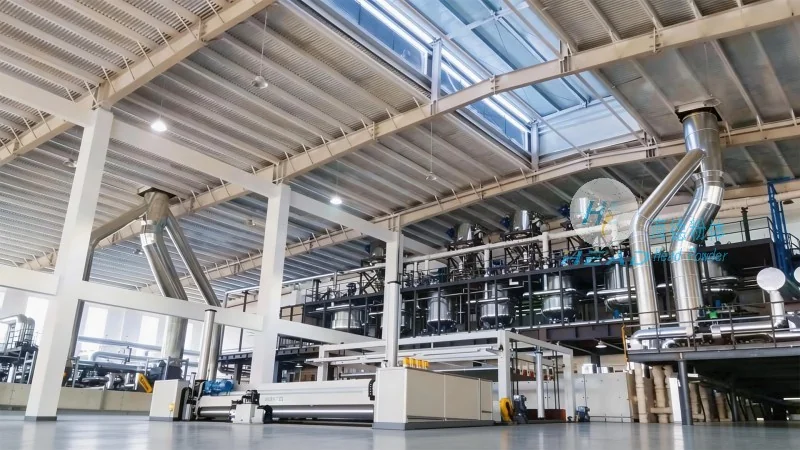
Positive Pressure Conveying: Advantages and Applications
Positive pressure conveying systems operate by blowing air or gas into the conveying line, creating a pressure higher than the ambient environment. This mode is particularly effective for transporting trilithium over long distances or through complex system layouts, as it provides consistent pressure to maintain material flow. One of the key advantages of positive pressure systems is their ability to handle abrasive or dusty materials without significant wear on components. For trilithium, which can be prone to dust generation, positive pressure systems often incorporate filtration and dust collection systems to ensure compliance with environmental regulations. HeadPowder’s positive pressure systems for trilithium typically feature high-efficiency filters and robust material handling components, designed to minimize dust emissions and maintain material purity.
Negative Pressure Conveying: Characteristics and Use Cases
Negative pressure conveying systems, also known as vacuum systems, create a vacuum in the conveying line to draw material from the source. This mode is often preferred for short-distance conveying or when the material source is located at a higher elevation than the destination. Negative pressure systems are generally more energy-efficient for short runs, as they require less power to maintain the vacuum compared to the pressure needed in positive systems. However, they may be less effective for handling large quantities of trilithium or for conveying over long distances due to potential pressure drops and material settling issues. For trilithium, negative pressure systems may be suitable for applications where dust control is less critical or where the material is less abrasive.
Comparative Analysis of Positive vs. Negative Pressure Systems for Trilithium
When comparing positive and negative pressure systems for trilithium, several factors must be considered. Positive pressure systems offer greater flexibility in system design, allowing for longer conveying distances and more complex layouts. They are also better suited for handling materials with high dust generation, as the enclosed system prevents dust from escaping into the environment. Negative pressure systems, while more energy-efficient for short distances, may require additional filtration and dust collection equipment to prevent contamination of the vacuum pump and surrounding air. The choice between the two modes often depends on the specific application, with positive pressure being preferred for large-scale trilithium handling and negative pressure for smaller, localized operations.
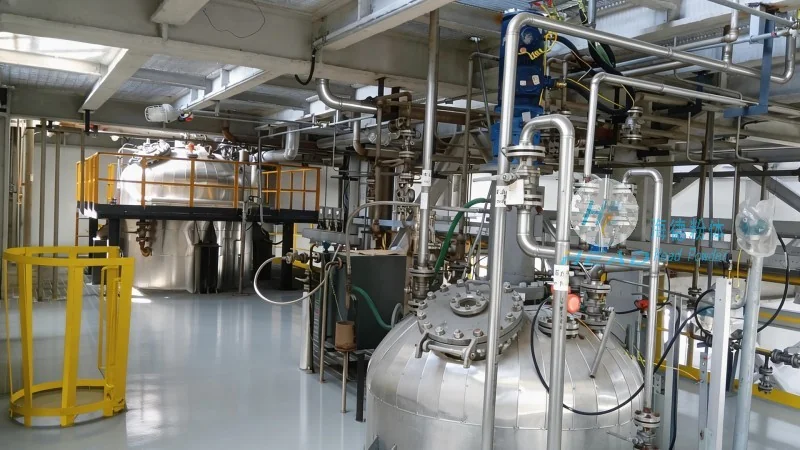
Technical Considerations for Implementing Trilithium Pneumatic Conveying
Implementing a pneumatic conveying system for trilithium involves several technical considerations to ensure optimal performance and material integrity. First, the material characteristics of trilithium, such as its particle size, density, and flowability, must be evaluated to determine the appropriate conveying velocity and system pressure. HeadPowder recommends a conveying velocity of 20-30 meters per second for trilithium to prevent material settling and ensure consistent flow. Second, the system design must account for dust control, as trilithium is a fine powder that can generate significant dust during handling. The use of high-efficiency filters and dust collection systems is essential to maintain air quality and comply with environmental regulations. Third, the system must be equipped with appropriate safety features, such as pressure relief valves and vacuum breakers, to prevent over-pressurization or vacuum collapse. HeadPowder’s trilithium pneumatic conveying systems are designed with these considerations in mind, incorporating advanced filtration technology and robust safety features to ensure reliable operation.
Conclusion: Choosing the Right Conveying Mode for Trilithium Handling
Both positive and negative pressure pneumatic conveying systems offer viable solutions for trilithium handling, with each mode suited to specific operational requirements. Positive pressure systems provide greater flexibility and are better suited for large-scale applications, while negative pressure systems are more energy-efficient for short-distance conveying. The choice ultimately depends on factors such as system layout, material characteristics, and environmental regulations. Shandong HeadPowder Engineering Co., Ltd. specializes in designing and manufacturing customized pneumatic conveying systems for trilithium, offering solutions that balance performance, efficiency, and safety. By understanding the differences between positive and negative pressure modes, and considering the specific needs of trilithium handling, industries can select the most appropriate conveying system to ensure efficient and reliable material transport.




