When it comes to the efficient and reliable transportation of potash fertilizer, pneumatic conveying systems have emerged as a critical technology in the agricultural and industrial sectors. These systems utilize air to move bulk materials like potash, offering advantages such as reduced equipment wear, improved safety, and enhanced process control. However, the choice between positive pressure and negative pressure conveying modes significantly impacts system performance, energy consumption, and operational costs. This article provides a technical analysis of potash fertilizer pneumatic conveying systems, focusing on the comparison between positive pressure and negative pressure modes, while highlighting the expertise of Shandong HeadPowder Engineering Co., Ltd. (referred to as HeadPowder) in designing and implementing such solutions.
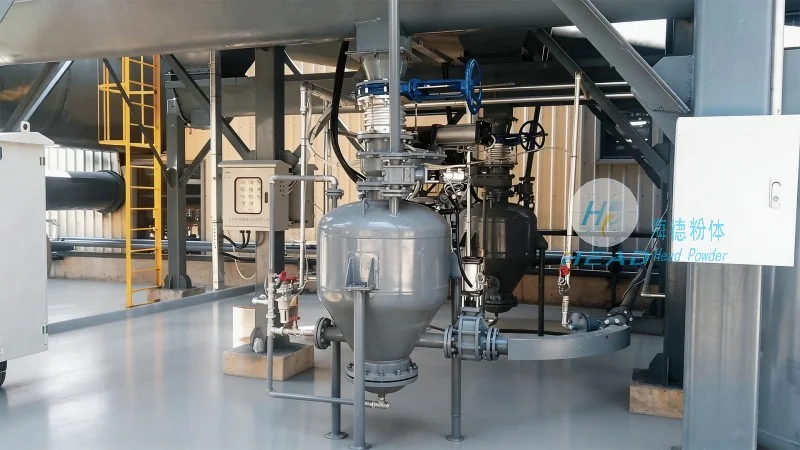
Understanding Pneumatic Conveying Systems for Potash Fertilizer
Pneumatic conveying systems are designed to transport bulk materials through a pipeline using air as the conveying medium. For potash fertilizer, which is often a fine or granular material, these systems ensure consistent flow and minimal product degradation. The core components of a pneumatic conveying system include a material feed hopper, a conveying line, a dust collector (if applicable), and a discharge outlet. The system operates by creating a pressure differential to move the material from the source to the destination. The choice of pressure mode—positive or negative—determines how this pressure differential is achieved and managed.
Positive Pressure Conveying Mode: Advantages and Applications
Positive pressure conveying systems operate by blowing air into the conveying line, creating a pressure higher than the ambient air pressure. This method is particularly effective for transporting materials over long distances or through complex piping networks. The primary advantages of positive pressure systems include: higher conveying velocities, which can handle longer distances without significant pressure loss; greater flexibility in system design, as the air is forced through the line, allowing for multiple branches and turns; and improved safety due to the sealed system, which prevents dust emissions and protects operators from exposure to the material.
HeadPowder specializes in designing positive pressure systems tailored to the specific requirements of potash fertilizer handling. For instance, a positive pressure system might be used in a large-scale fertilizer plant where potash needs to be transported from storage silos to processing units over several hundred meters. The system would feature a high-pressure blower, a material feeder with a rotary valve, and a series of elbows and bends to navigate the plant layout. The positive pressure mode ensures that the potash moves efficiently through the pipeline, maintaining consistent flow rates and minimizing the risk of blockages.
Negative Pressure Conveying Mode: Advantages and Applications
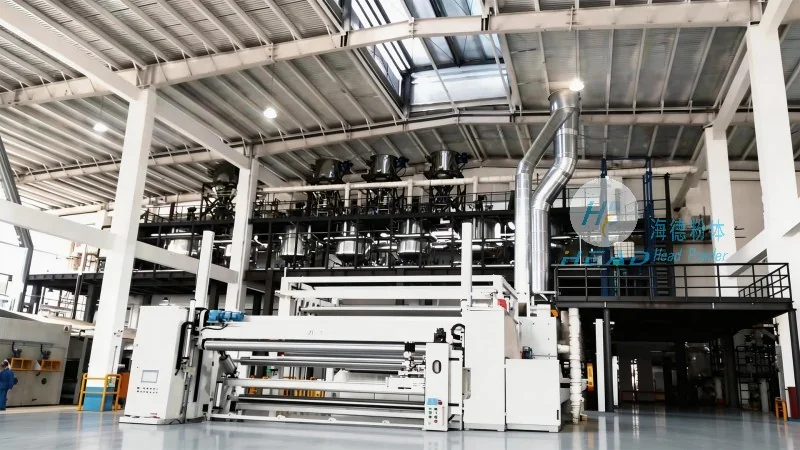
Negative pressure conveying systems, also known as vacuum systems, operate by creating a vacuum in the conveying line, drawing material into the pipeline from the source. This method is often preferred for shorter distances or when the material needs to be transported from a lower elevation to a higher one. The key advantages of negative pressure systems include: lower energy consumption compared to positive pressure systems, as the vacuum is created by a relatively small suction fan; quieter operation, as the fan operates at lower speeds; and ability to handle fine powders without the risk of clogging, as the material is drawn into the line rather than forced through it.
HeadPowder also provides negative pressure solutions for potash fertilizer applications, especially in scenarios where the material is stored in silos or hoppers and needs to be transported to a processing area at a lower level. For example, a negative pressure system might be used in a fertilizer blending facility where potash is drawn from a silo and conveyed to a mixer. The system would include a vacuum fan, a material hopper with a rotary valve, and a filter to capture any dust particles before releasing the air to the atmosphere. The negative pressure mode ensures that the potash is safely and efficiently transported, with minimal environmental impact.
Key Considerations in Choosing Between Positive and Negative Pressure Modes
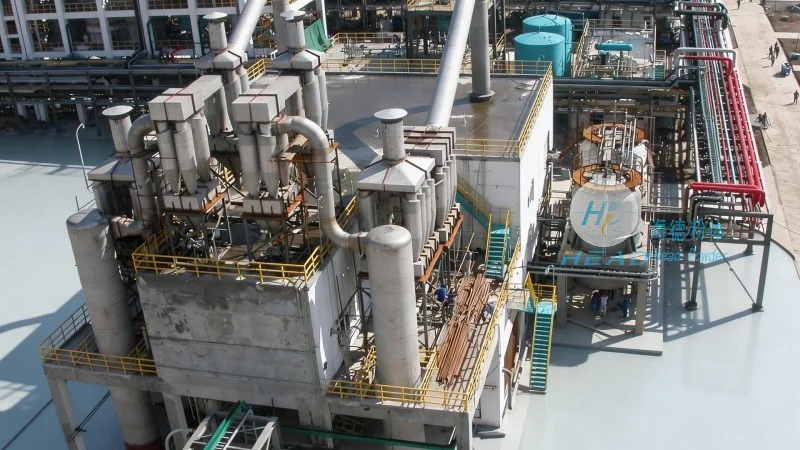
The decision between positive and negative pressure conveying modes for potash fertilizer depends on several factors, including the distance of the conveying line, the elevation difference between the source and destination, the material characteristics (such as particle size and moisture content), and the overall system cost. Positive pressure systems are generally more suitable for long-distance or high-elevation applications, while negative pressure systems are better for short distances or when energy efficiency is a priority.
HeadPowder conducts thorough technical assessments to determine the optimal conveying mode for each client's needs. The company considers factors such as the potash fertilizer's flowability, the required conveying capacity, and the available space for system installation. By leveraging its expertise in material handling and pneumatic conveying technology, HeadPowder ensures that the chosen system maximizes efficiency, minimizes operational costs, and complies with industry safety standards.
Conclusion: Tailored Solutions for Potash Fertilizer Handling
Pneumatic conveying systems are essential for the efficient transportation of potash fertilizer, and the choice between positive and negative pressure modes significantly impacts system performance and cost. Positive pressure systems offer advantages in long-distance and high-elevation applications, while negative pressure systems excel in energy efficiency and quiet operation for shorter distances. Shandong HeadPowder Engineering Co., Ltd. (HeadPowder) provides comprehensive solutions for both modes, leveraging its experience and technical expertise to design systems that meet the specific requirements of each client. Whether a client needs a positive pressure system for a large-scale fertilizer plant or a negative pressure system for a blending facility, HeadPowder ensures that the potash fertilizer is transported safely, reliably, and efficiently.




