Pneumatic conveying is a critical technology in the pharmaceutical and powder handling industries, enabling the efficient and hygienic transport of materials like capsules. Two primary methods dominate this field: positive pressure conveying and negative pressure conveying. Understanding the nuances of each method is essential for selecting the optimal solution for specific applications. This analysis delves into the characteristics, advantages, and limitations of both approaches, providing a comprehensive comparison to aid in decision-making.
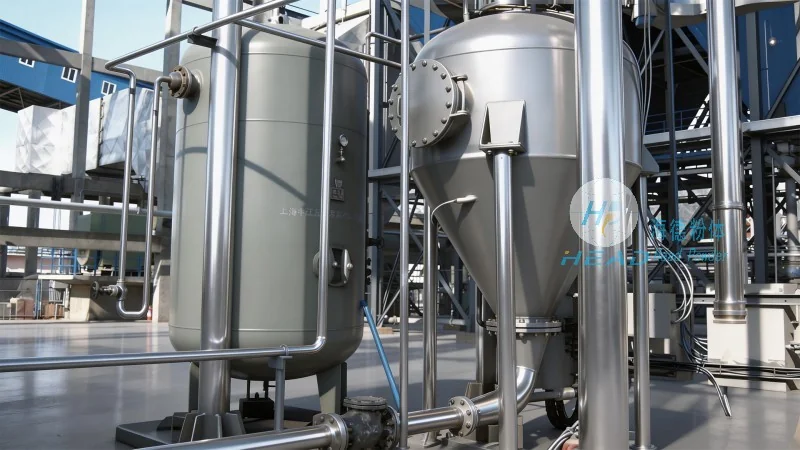
Positive Pressure Conveying: How It Works
Positive pressure conveying operates by blowing air or a carrier gas into a system, creating a pressure differential that propels material through the pipeline. In this method, the conveying line is under positive pressure relative to the ambient environment. The process typically involves a blower or compressor that supplies the necessary air volume and pressure to move the material. The material is often introduced into the system via a hopper or feeder, where it is mixed with the carrier gas before being transported to the destination. This approach is widely used in industries where high material flow rates and consistent performance are required.
Key Features of Positive Pressure Conveying
Positive pressure systems are known for their robustness and ability to handle a wide range of materials, including abrasive or sticky powders. The high pressure ensures that material is fully suspended and transported without clogging or degradation. Additionally, these systems can be designed with multiple branches and loops, allowing for complex material routing. The use of positive pressure also facilitates easier cleaning and maintenance, as the system can be flushed with air or cleaning solutions. However, the main drawback is the higher energy consumption compared to negative pressure systems, as more power is required to maintain the pressure differential.
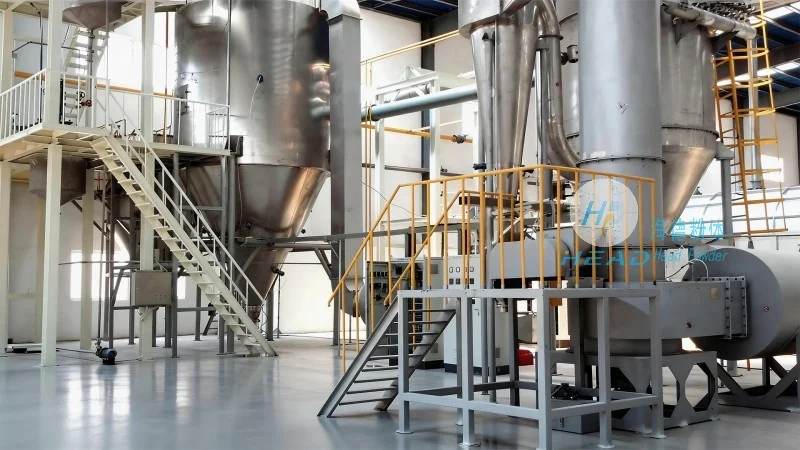
Negative Pressure Conveying: The Alternative Approach
Negative pressure conveying, also known as suction conveying, works by creating a vacuum in the system, drawing material into the pipeline. The conveying line is under negative pressure relative to the ambient air. This method relies on a vacuum pump or fan to create the suction force, which pulls the material from the source to the destination. Unlike positive pressure systems, negative pressure conveying does not require a blower at the material source; instead, the vacuum is generated at the end of the line. This approach is particularly suitable for applications where the material needs to be collected from multiple points or where the source is at a higher elevation than the destination.
Advantages of Negative Pressure Conveying
One of the primary benefits of negative pressure conveying is its lower energy consumption compared to positive pressure systems. The vacuum pump operates at a lower pressure, reducing the overall energy demand. Additionally, negative pressure systems are often more compact and require less space, making them ideal for installations with limited floor area. Another advantage is the ability to handle materials that are sensitive to high pressure or temperature, as the system operates at lower pressures. However, negative pressure conveying has limitations, such as the risk of dust or particles being drawn into the vacuum pump, which can lead to equipment wear and maintenance issues.
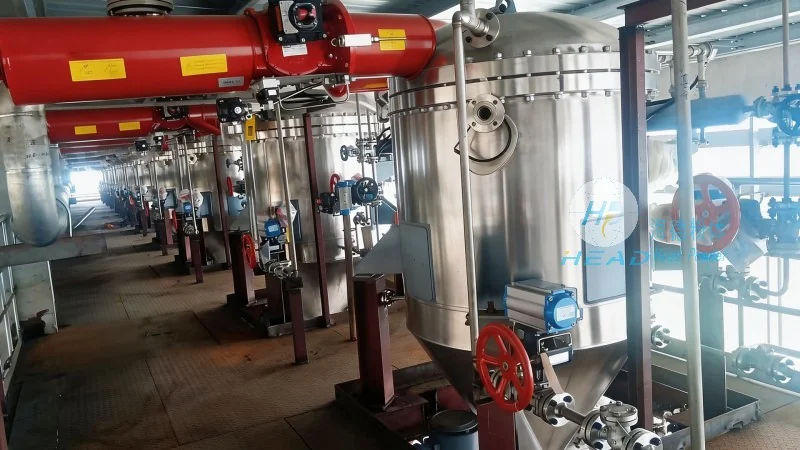
Comparative Analysis: Positive vs. Negative Pressure Conveying
When comparing positive and negative pressure conveying, several factors must be considered to determine the best fit for a specific application. The choice often depends on the material properties, the distance and layout of the conveying system, and the required flow rate. Positive pressure systems excel in applications requiring high throughput and the handling of abrasive or sticky materials, as they provide consistent and reliable performance. Negative pressure systems are more suitable for applications where energy efficiency is a priority, or where the material needs to be collected from multiple sources. The cost of equipment and maintenance also plays a role, with positive pressure systems generally having higher upfront costs due to the need for blowers and more robust piping.
Applications in the Pharmaceutical Industry
In the pharmaceutical industry, both positive and negative pressure conveying are used for the transport of capsules and other dosage forms. Positive pressure systems are commonly employed in high-speed production lines where large volumes of capsules need to be moved quickly and efficiently. The robust nature of these systems ensures that the capsules are not damaged during transport, maintaining product integrity. Negative pressure systems are often used in R&D or quality control labs, where smaller quantities of materials are handled and the focus is on precision and accuracy. The ability to collect material from multiple points in a lab setting makes negative pressure conveying advantageous for sampling and testing purposes.
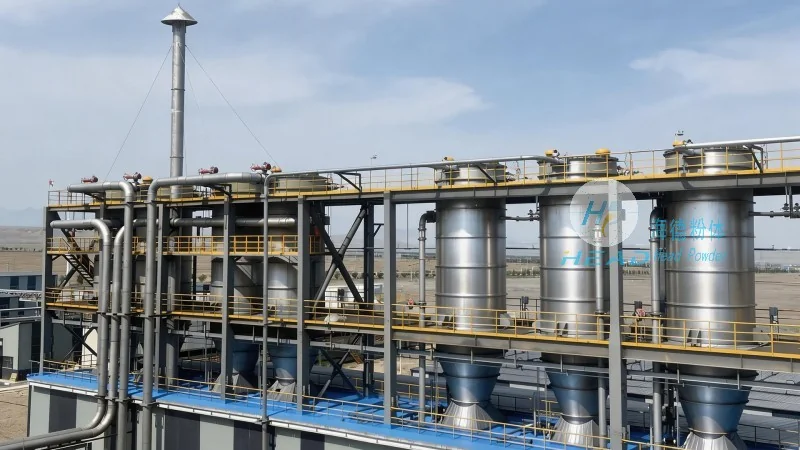
Case Study: HeadPowder's Positive Pressure Conveying Solution
Shandong HeadPowder Engineering Co., Ltd., a leading provider of pneumatic conveying solutions, specializes in designing and manufacturing systems tailored to the pharmaceutical industry. Their positive pressure conveying systems are engineered to meet the stringent requirements of GMP (Good Manufacturing Practice) and ensure the hygienic transport of capsules. The company's expertise lies in optimizing the system design to balance performance and energy efficiency. For example, a recent project involved the installation of a positive pressure conveying line for a pharmaceutical manufacturer, where the system was configured to handle high volumes of capsules while maintaining low energy consumption. The result was a significant improvement in production throughput and reduced operational costs.
Conclusion: Choosing the Right Conveying Method
Both positive and negative pressure conveying methods have their place in the powder handling industry, and the choice between them depends on the specific needs of the application. Positive pressure conveying offers robustness and high throughput, making it ideal for large-scale production. Negative pressure conveying provides energy efficiency and flexibility, suitable for smaller-scale or laboratory applications. By understanding the characteristics and limitations of each method, manufacturers can select the optimal solution to ensure efficient, reliable, and cost-effective material transport. As the pharmaceutical industry continues to evolve, the importance of selecting the right pneumatic conveying system will remain critical to maintaining product quality and operational efficiency.




