White sugar, a staple in the food and beverage industry, requires efficient and hygienic handling from production to distribution. Pneumatic conveying systems have emerged as a critical technology for transporting white sugar, offering advantages such as reduced contamination risk, improved process control, and enhanced operational flexibility. This article provides a technical analysis of white sugar pneumatic conveying systems, focusing on the comparison between positive pressure and negative pressure conveying modes, and highlights the expertise of Shandong HeadPowder Engineering Co., Ltd. in designing and implementing such systems.
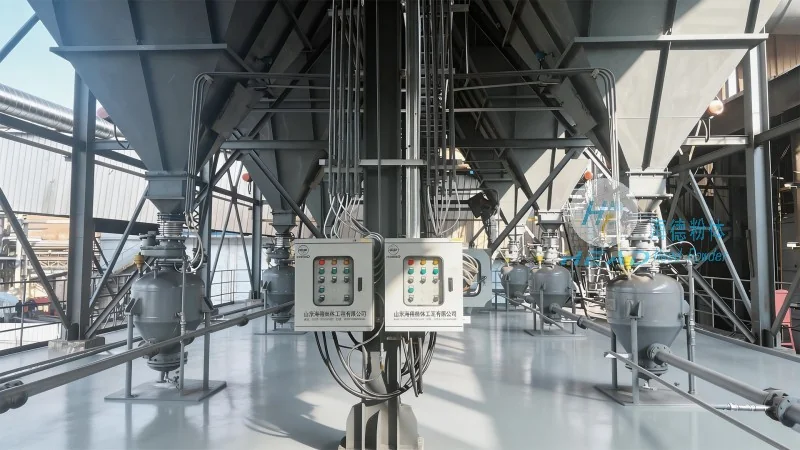
Understanding Pneumatic Conveying for White Sugar
Pneumatic conveying uses air or gas to transport bulk materials like white sugar through a pipeline. The system typically consists of a material feed hopper, a conveyor line, and a discharge unit. For white sugar, which is hygroscopic and prone to clumping, the choice of conveying mode is crucial to maintain product quality and prevent degradation. Two primary modes are widely used: positive pressure and negative pressure systems.
Positive Pressure Conveying Mode
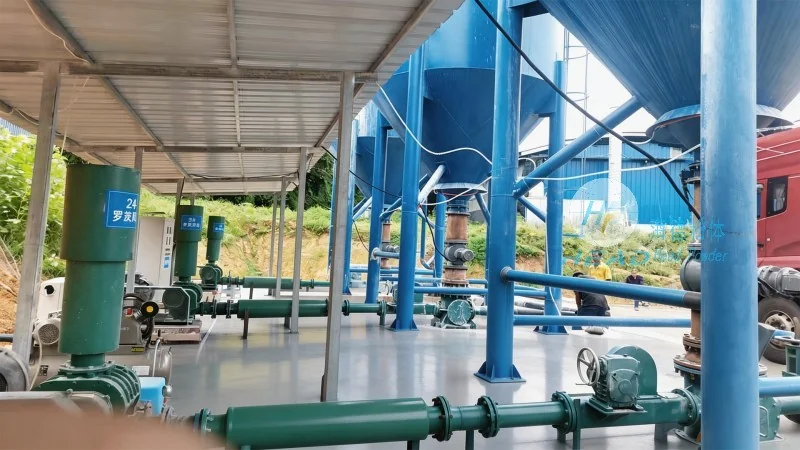
Positive pressure systems operate by blowing air or gas into the conveying line, creating a pressure higher than the ambient air. This mode is particularly effective for conveying white sugar from a central source to multiple destinations, as it allows for the distribution of material to several points without the need for additional vacuum equipment. The system uses a positive displacement blower or a rotary lobe pump to generate the pressure, ensuring a consistent flow rate. A key advantage of positive pressure is its ability to handle abrasive materials like white sugar without excessive wear on the equipment. Additionally, positive pressure systems are generally more energy-efficient for long-distance conveying, as they can maintain a higher pressure gradient over longer distances. However, they may require more robust filtration to prevent dust from escaping into the environment, which is essential for maintaining hygiene standards in food processing facilities.
Negative Pressure Conveying Mode
Negative pressure systems, also known as vacuum conveying, operate by creating a vacuum in the conveying line, drawing material from the source into the system. This mode is often preferred for short-distance conveying or when the material needs to be collected from multiple points and transported to a central location. The system uses a vacuum pump to create the negative pressure, which pulls the white sugar into the pipeline. Negative pressure conveying is generally more suitable for handling fine powders that are prone to dusting, as the vacuum helps to contain particles and prevent them from escaping. Another advantage is that it can be more flexible in terms of material collection, as the vacuum can be applied to various hoppers or storage bins. However, negative pressure systems may have limitations in terms of conveying distance and material capacity, as the vacuum pressure drops over longer distances, potentially reducing the flow rate. They also require careful maintenance to prevent air leaks, which could compromise the vacuum and affect conveying efficiency.
Key Considerations for White Sugar Conveying
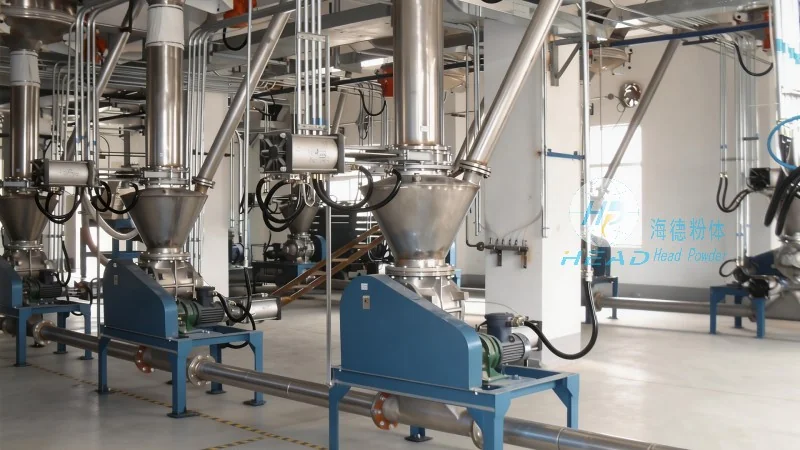
When selecting a pneumatic conveying system for white sugar, several factors must be considered to ensure optimal performance and product quality. The first is the material's physical properties, such as particle size, moisture content, and abrasiveness. White sugar particles are typically fine and hygroscopic, which can affect the choice of conveying mode. For example, if the sugar is prone to clumping, a positive pressure system with a high-pressure blower might be more effective in breaking up agglomerates and maintaining a consistent flow. The second consideration is the conveying distance and layout of the facility. Long-distance conveying may favor positive pressure due to its ability to maintain pressure over longer distances, while short-distance or multiple collection points might benefit from negative pressure. Additionally, the system's hygiene and sanitation requirements are critical in food processing. Both positive and negative pressure systems can be designed with stainless steel components and sealed connections to meet food-grade standards, but the filtration and air treatment systems must be robust to prevent contamination. The energy consumption and operational costs are also important factors. Positive pressure systems may have higher initial energy costs due to the need for high-pressure blowers, but they can be more efficient for long-term operations. Negative pressure systems, while potentially lower in initial energy use, may require more frequent maintenance to keep the vacuum pump and filters in good condition.
Case Study: Implementation by Shandong HeadPowder Engineering Co., Ltd.
Shandong HeadPowder Engineering Co., Ltd., a leading provider of pneumatic conveying solutions, has extensive experience in designing and installing white sugar conveying systems for various clients. The company's expertise lies in customizing systems to meet specific operational needs, ensuring that the chosen mode—whether positive or negative pressure—optimizes material handling efficiency while maintaining product integrity. For instance, a client in the food processing industry required a system to transport white sugar from a central storage silo to multiple packaging lines. HeadPowder engineers recommended a positive pressure system with a rotary lobe blower, as it could efficiently distribute the sugar to all destinations without the need for additional vacuum equipment. The system was equipped with stainless steel pipelines, high-efficiency filters, and a dust collection unit to comply with hygiene regulations. The result was a significant reduction in material handling time and improved product quality, as the sugar was conveyed without exposure to ambient air or contaminants. Another project involved a negative pressure system for a sugar refinery, where the goal was to collect fine sugar dust from various processing points and transport it to a central recovery unit. HeadPowder's engineers designed a vacuum system with a large-capacity pump and flexible collection hoppers, ensuring that the dust was efficiently captured and conveyed without loss. The system's flexibility allowed for easy integration with existing equipment, minimizing downtime during installation. These case studies demonstrate the company's ability to tailor pneumatic conveying solutions to the unique requirements of white sugar processing, whether through positive or negative pressure modes.




