PVC (Polyvinyl Chloride) pellets are widely used in various industrial applications, from construction materials to plastic products. The efficient and reliable transport of these pellets is crucial for maintaining production efficiency and product quality. Pneumatic conveying systems offer a solution by using air to move the material, eliminating the need for mechanical components like belts or buckets. This article provides a technical analysis of PVC pellet pneumatic conveying systems, focusing on the comparison between positive pressure and negative pressure conveying modes.
Understanding Pneumatic Conveying Basics
Pneumatic conveying systems operate by transporting bulk materials through a pipeline using air as the conveying medium. The two primary modes are positive pressure and negative pressure, each with distinct characteristics and applications. Positive pressure systems blow air into the conveying line, while negative pressure systems draw air out of the line. The choice between these modes depends on factors such as material properties, system layout, and operational requirements.
Positive Pressure Conveying Mode
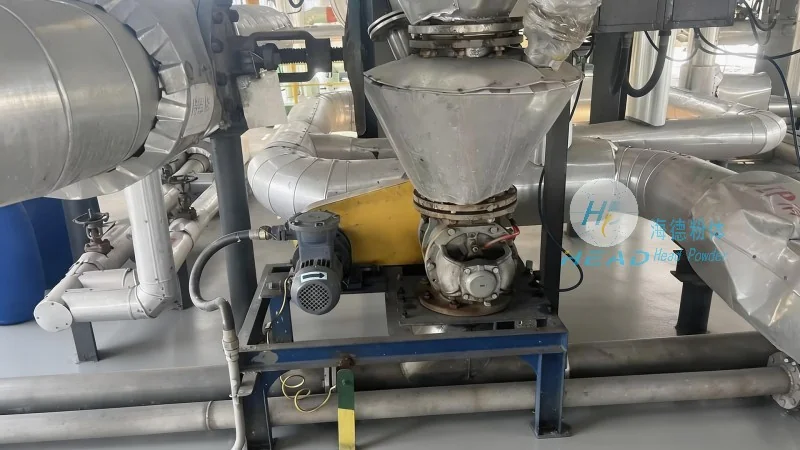
Positive pressure pneumatic conveying systems are commonly used for PVC pellet transport due to their ability to handle a wide range of materials and system configurations. In this mode, a blower or compressor generates high-pressure air that pushes the material through the pipeline. The system typically includes a hopper, a rotary valve, and a conveying line, with the air being introduced at the discharge end. This approach is effective for short to medium-distance conveying and can handle abrasive or corrosive materials like PVC pellets.
Key advantages of positive pressure systems include high conveying capacity, flexibility in system design, and the ability to handle multiple material sources. However, they may require more maintenance due to the higher air pressure and potential for wear on components. The system is also suitable for applications where the material needs to be discharged into a controlled environment, such as a storage silo or processing unit.
Negative Pressure Conveying Mode
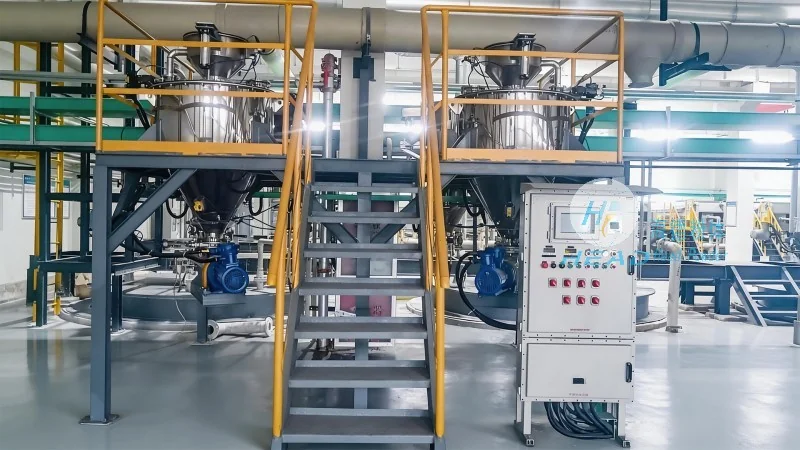
Negative pressure pneumatic conveying systems, also known as vacuum systems, operate by creating a low-pressure environment in the conveying line. This draws the material and air mixture into the system from the material source. The air is then filtered and discharged at the end of the line. This mode is often preferred for applications where the material needs to be transported from a dusty or hazardous environment, as the system draws material in rather than blowing it out.
For PVC pellets, negative pressure systems are particularly useful when the material is to be collected from a hopper or storage bin and transported to a processing area. The vacuum helps in maintaining a clean and controlled environment, reducing the risk of dust exposure. However, negative pressure systems have limitations in terms of conveying distance and material capacity compared to positive pressure systems. They are generally more suitable for shorter distances and lower material loads.
Comparison of Positive and Negative Pressure Modes
When selecting a pneumatic conveying system for PVC pellets, it is essential to compare the characteristics of positive and negative pressure modes. Positive pressure systems offer higher conveying rates and are more versatile in terms of system layout, making them ideal for long-distance or high-volume applications. They are also better suited for abrasive materials like PVC pellets, as the high-pressure air can effectively move the material without causing excessive wear.
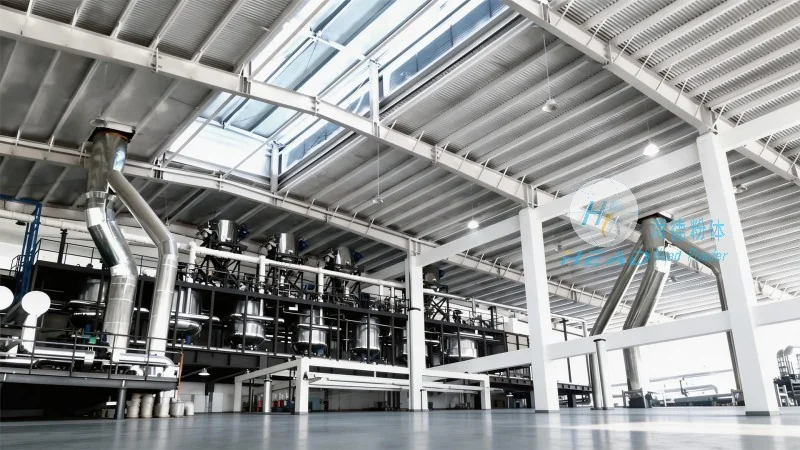
On the other hand, negative pressure systems provide a cleaner and more controlled environment, which is beneficial for applications where dust control is critical. They are simpler to install and maintain, as they do not require high-pressure components. However, their lower conveying capacity and limited distance make them less suitable for large-scale PVC pellet transport.
Factors Influencing System Selection
The choice between positive and negative pressure pneumatic conveying systems for PVC pellets depends on several factors. The distance between the material source and the processing area is a primary consideration. For short distances (typically less than 50 meters), negative pressure systems may be sufficient. For longer distances (over 50 meters), positive pressure systems are generally more effective.
Material properties also play a significant role. PVC pellets are relatively light and can be abrasive, which affects the choice of system. Positive pressure systems can handle these characteristics better due to their higher air pressure and ability to move material through the pipeline with less resistance. The system layout, including the number of bends and vertical lifts, also impacts the selection. Positive pressure systems are more tolerant of vertical lifts and bends, while negative pressure systems may require additional equipment to maintain vacuum.
System Components and Design Considerations
Both positive and negative pressure pneumatic conveying systems for PVC pellets consist of several key components. The hopper or storage bin is where the material is loaded, equipped with a rotary valve to control the flow rate. The conveying line is made of materials resistant to PVC pellets, such as stainless steel or special plastics, to prevent corrosion and wear. For positive pressure systems, a blower or compressor provides the necessary air pressure, while for negative pressure systems, a vacuum pump is used.
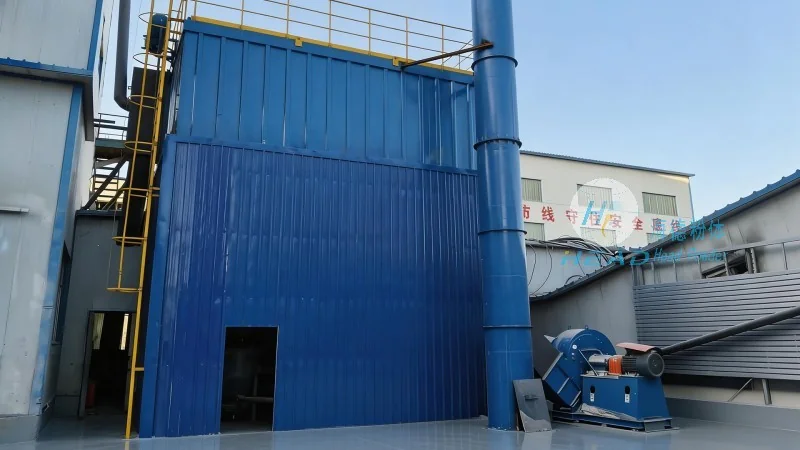
Filtering and dust collection systems are critical for both modes to ensure compliance with environmental regulations and maintain a clean working environment. The filter captures fine particles and dust, preventing them from being released into the air. The choice of filter material and design depends on the material being conveyed and the system's operating conditions.
Applications in Industrial Settings
PVC pellet pneumatic conveying systems are widely used in various industrial settings, including plastic manufacturing, construction material production, and chemical processing. In plastic manufacturing, these systems transport PVC pellets from storage to extrusion or molding equipment, ensuring a continuous and efficient production process. In construction material production, they move pellets to mixing or compounding units, where they are combined with other ingredients to form final products.
The systems are also used in chemical processing facilities to transport PVC pellets from raw material storage to processing lines, maintaining a consistent flow of material and reducing downtime. The ability to handle abrasive and corrosive materials makes these systems suitable for industries where material quality and system reliability are paramount.




