Asbestos powder handling demands specialized equipment to ensure safety and operational efficiency. Pneumatic conveying systems represent a critical solution for transporting such materials, offering advantages over conventional methods like belt conveyors or bucket elevators. This article provides a technical analysis of two primary conveying modes—positive pressure and negative pressure—used in asbestos powder pneumatic conveying systems, comparing their operational principles, advantages, and limitations.
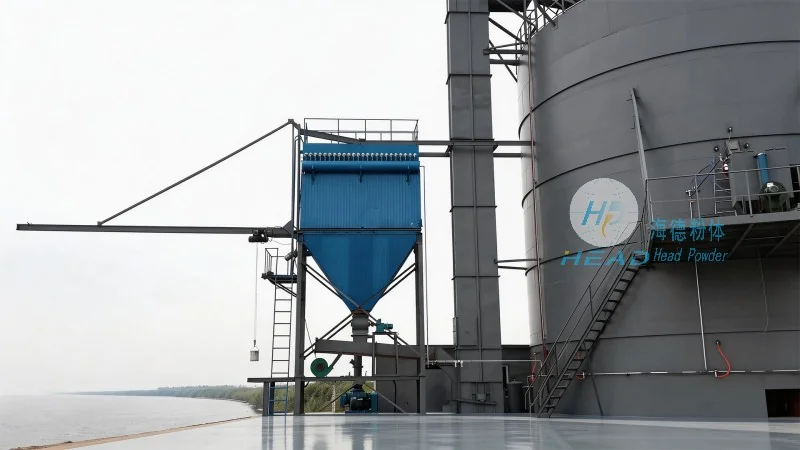
Understanding Pneumatic Conveying Systems
Pneumatic conveying systems utilize air or gas to transport bulk materials through a pipeline. In the context of asbestos powder, these systems are engineered to handle fine, potentially hazardous particles while maintaining containment and minimizing dust exposure. The selection between positive and negative pressure modes hinges on factors such as material properties, system layout, and operational requirements.
Positive Pressure Conveying Mode
Positive pressure conveying operates by blowing air or gas into the material stream, creating a pressure higher than the ambient environment. This method propels the material through the pipeline, making it suitable for long-distance transport and complex system configurations with multiple branches. The primary advantage of positive pressure systems is their ability to handle abrasive or sticky materials without excessive wear on components. However, they require robust filtration and dust collection systems to prevent environmental contamination and ensure worker safety.
Key components of a positive pressure system include a high-pressure blower, material feeders, and a filter unit. The blower generates sufficient air pressure to move the material, while the feeder controls the flow rate to maintain system stability. The filter unit captures fine particles, preventing them from escaping into the atmosphere. For asbestos powder, which is known for its fine particle size and potential health hazards, a high-efficiency particulate air (HEPA) filter is often used to ensure compliance with environmental regulations.
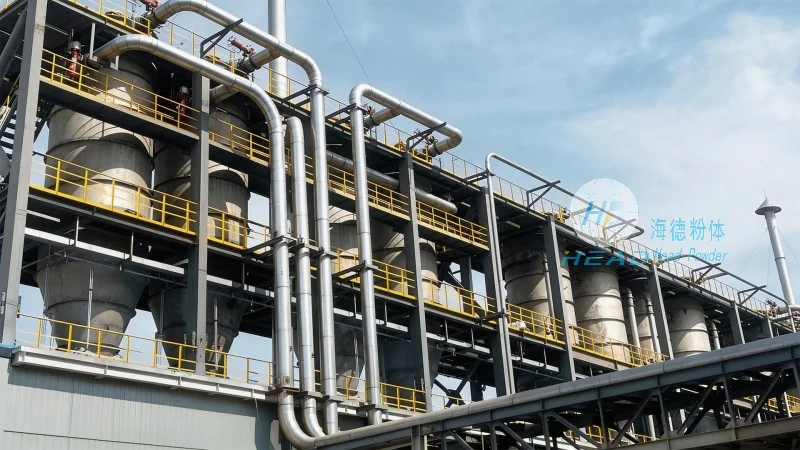
Negative Pressure Conveying Mode
Negative pressure conveying, also known as vacuum conveying, operates by creating a vacuum in the pipeline, drawing material from the source into the system. This method is typically used for shorter distances and simpler layouts, as the vacuum pressure is limited by the system's ability to maintain a low pressure environment. The main advantage of negative pressure systems is their lower energy consumption compared to positive pressure systems, making them more cost-effective for short-distance applications. However, they are less effective at handling abrasive or sticky materials, as the vacuum may not provide enough force to move the material through the pipeline.
Key components of a negative pressure system include a vacuum pump, material feeders, and a dust collector. The vacuum pump creates a low-pressure environment, drawing material from the source into the pipeline. The feeder controls the flow rate, and the dust collector captures fine particles to prevent contamination. For asbestos powder, negative pressure systems are often used in applications where the material is sourced from a hopper or silo, and the transport distance is relatively short.
Comparative Analysis: Positive vs. Negative Pressure
When selecting a pneumatic conveying mode for asbestos powder, several factors must be considered. Positive pressure systems are generally preferred for long-distance transport and complex systems due to their higher material handling capacity and ability to handle abrasive materials. Negative pressure systems are more suitable for short-distance applications where energy efficiency is a priority and the material is less abrasive.
From an operational perspective, positive pressure systems require more maintenance due to the higher air pressure and wear on components. They also generate more noise and require additional safety measures to prevent accidental release of material. Negative pressure systems, on the other hand, are quieter and easier to maintain, but they may not be suitable for materials that are highly abrasive or sticky.
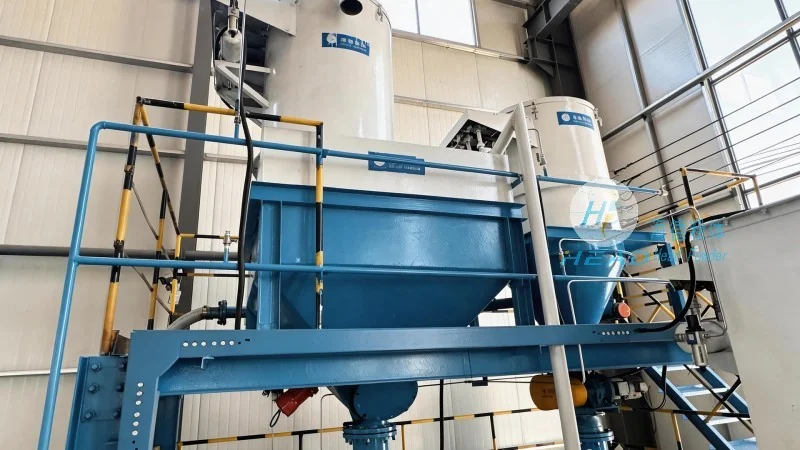
HeadPowder Engineering Co., Ltd.: Experts in Asbestos Powder Conveying Solutions
Shandong HeadPowder Engineering Co., Ltd. specializes in designing and manufacturing customized pneumatic conveying systems for asbestos powder and other hazardous materials. With years of experience in the industry, HeadPowder provides comprehensive solutions that meet the unique requirements of each application. The company's team of engineers uses advanced technology and rigorous testing to ensure that their systems are efficient, safe, and compliant with all relevant regulations.
HeadPowder's positive pressure conveying systems are designed to handle the highest material loads while maintaining low dust emissions. The company's negative pressure systems are optimized for energy efficiency and minimal environmental impact. Both systems are equipped with advanced filtration and dust collection technologies to ensure worker safety and compliance with environmental standards.
Conclusion
The choice between positive and negative pressure pneumatic conveying modes for asbestos powder depends on the specific application requirements. Positive pressure systems offer higher material handling capacity and flexibility, while negative pressure systems provide energy efficiency and lower noise levels. By understanding the operational principles and limitations of each mode, industries can select the most appropriate system to ensure safe and efficient material transport.




