Pneumatic conveying systems have become a critical component in the processing and handling of fine powders, such as chili powder. These systems utilize air to transport materials from one location to another, offering advantages in terms of hygiene, efficiency, and safety compared to traditional mechanical methods. For industries dealing with sensitive or hygroscopic materials like chili powder, selecting the appropriate conveying mode is essential to ensure optimal performance and product quality. This article provides a technical analysis of two primary pneumatic conveying modes—positive pressure and negative pressure—and compares their applications in chili powder handling.
About HeadPowder: A Leader in Pneumatic Conveying Solutions
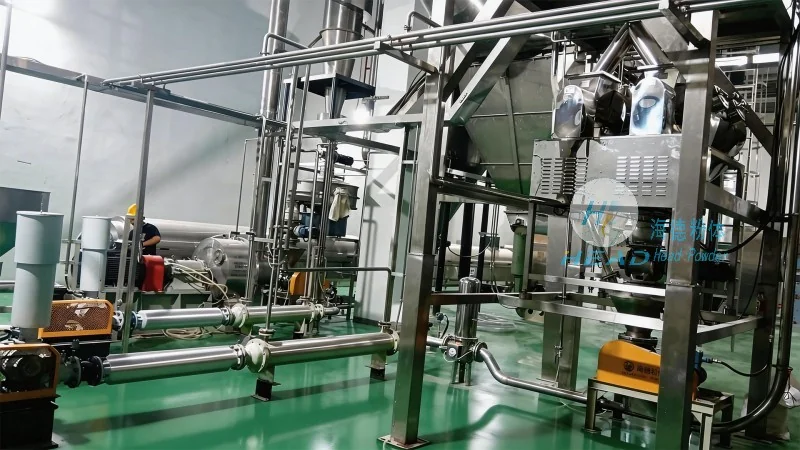
HeadPowder, or Shandong HeadPowder Engineering Co., Ltd., is a reputable company based in Shandong, China, specializing in the design, manufacturing, and installation of advanced pneumatic conveying systems. With years of experience in the industry, HeadPowder has developed expertise in handling diverse powder materials, including spices, food additives, and pharmaceuticals. The company’s commitment to quality and innovation has made it a trusted partner for businesses seeking reliable and efficient material handling solutions. By leveraging cutting-edge technology and tailored engineering, HeadPowder ensures that its systems meet the specific needs of clients, delivering high performance and durability in demanding environments.
Understanding Positive Pressure Conveying
Positive pressure conveying, also known as pressure pneumatic conveying, operates by blowing air into the conveying line to move material. In this mode, the system generates a higher pressure than the ambient air, forcing the material through the pipeline. The air and material are typically mixed in a venturi or a positive displacement blower, creating a high-velocity stream that propels the powder forward. This method is particularly effective for long-distance and high-capacity conveying, as it can handle larger volumes and overcome significant pressure drops. Positive pressure systems are often preferred for applications where the material is sensitive to moisture or contamination, as the sealed pipeline prevents external air from entering and affecting the product.
Key Advantages of Positive Pressure Conveying for Chili Powder
When applied to chili powder, positive pressure conveying offers several benefits. First, it maintains a consistent air-to-material ratio, which is crucial for preventing material degradation or caking. The sealed system also minimizes exposure to ambient conditions, reducing the risk of moisture absorption or oxidation that could alter the flavor and color of the chili powder. Additionally, positive pressure systems are more efficient in terms of energy consumption, as they can achieve higher conveying velocities with less pressure drop compared to negative pressure systems. This efficiency translates to lower operational costs and reduced energy consumption over time. Another advantage is the ability to handle abrasive or fine powders without causing excessive wear on the system components, as the high-pressure air effectively transports the material without relying on mechanical agitation.
Challenges and Considerations with Positive Pressure Conveying
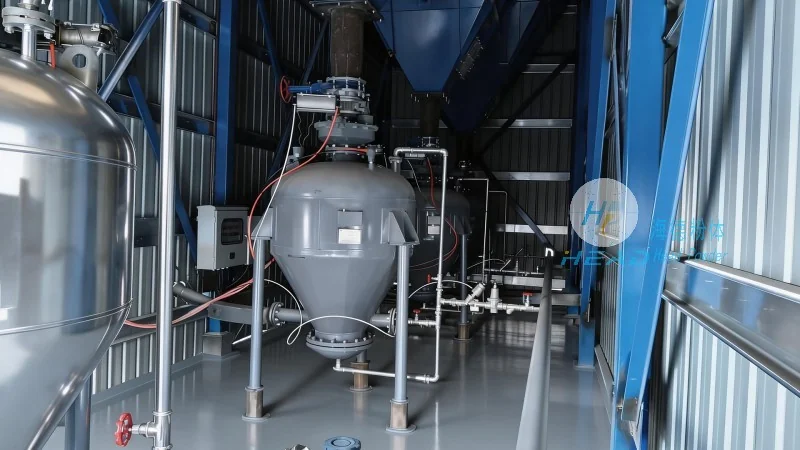
Despite its advantages, positive pressure conveying has some limitations that must be considered when handling chili powder. One of the main challenges is the need for robust sealing and filtration to prevent dust emissions and maintain air quality. The high-pressure air can cause wear on the blower and pipeline components, requiring regular maintenance to ensure longevity. Additionally, positive pressure systems may be more complex to install and maintain, especially in applications with long distances or multiple transfer points. The cost of the equipment, including the blower and sealing components, can also be higher compared to negative pressure systems. Furthermore, in some cases, positive pressure conveying may not be suitable for materials that are highly sensitive to pressure or that require gentle handling, as the high velocity of the air can cause particle breakage or agglomeration.
Understanding Negative Pressure Conveying
Negative pressure conveying, or vacuum pneumatic conveying, operates by creating a vacuum in the conveying line to draw material from the source. In this mode, the system uses a vacuum pump to reduce the pressure inside the pipeline, causing the material to be pulled into the line along with the air. The material is then transported to the destination, where the air is filtered and the material is discharged. Negative pressure systems are typically used for shorter distances and lower capacities compared to positive pressure systems, as the vacuum pressure is limited by the pump's capacity and the length of the pipeline.
Key Advantages of Negative Pressure Conveying for Chili Powder
For chili powder handling, negative pressure conveying offers several advantages. One of the primary benefits is the ability to handle materials from multiple sources or at different elevations without the need for complex piping or additional equipment. The vacuum system can draw material from a hopper or silo and transport it to a processing unit, making it ideal for applications where the material is stored in various locations. Another advantage is the lower initial cost of the equipment, as negative pressure systems typically use smaller and less expensive vacuum pumps compared to the high-pressure blowers required for positive pressure systems. The sealed pipeline also prevents dust from escaping into the environment, which is important for maintaining workplace safety and compliance with environmental regulations. Additionally, negative pressure conveying can be more gentle on the material, as the lower air velocity reduces the risk of particle breakage or agglomeration, preserving the quality of the chili powder.
Challenges and Considerations with Negative Pressure Conveying
However, negative pressure conveying also has its limitations when applied to chili powder. The main challenge is the potential for material buildup or blockages in the pipeline, especially with fine powders that are prone to caking. The vacuum system may not be able to effectively transport materials with high moisture content or that are prone to agglomeration, leading to reduced conveying efficiency or system downtime. Another limitation is the lower conveying capacity compared to positive pressure systems, which may not be suitable for high-volume production lines. The vacuum pump also requires regular maintenance to ensure optimal performance, as dust and particles can accumulate in the pump and reduce its efficiency over time. Furthermore, negative pressure systems may be more susceptible to air leaks, which can reduce the vacuum pressure and affect the conveying performance. The need for proper filtration and sealing is also critical to prevent dust emissions and maintain air quality.
Comparative Analysis: Positive Pressure vs. Negative Pressure Conveying for Chili Powder
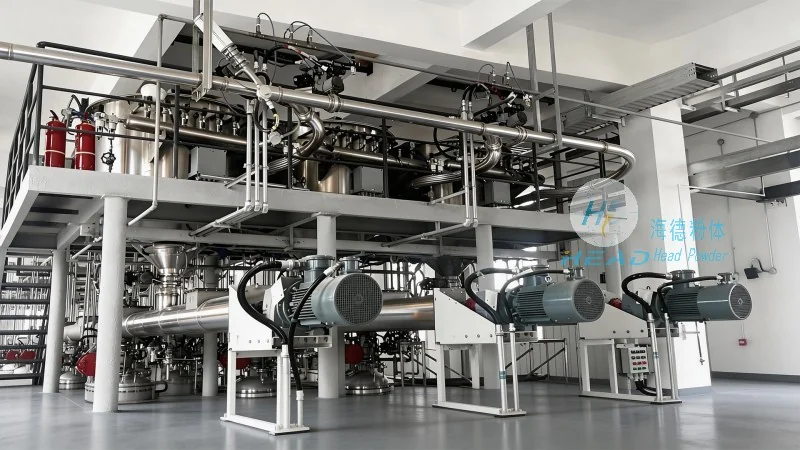
When comparing positive and negative pressure conveying for chili powder, several factors must be considered to determine the most suitable system. The primary factors include the distance and capacity of the conveying line, the material properties of the chili powder, and the operational requirements of the processing plant. For long-distance and high-capacity applications, positive pressure conveying is generally more effective due to its higher conveying velocity and capacity. It is particularly suitable for industries that require high throughput and minimal downtime, such as large-scale spice processing facilities. On the other hand, negative pressure conveying is better suited for shorter distances and applications where the material is stored in multiple locations or at different elevations. It is ideal for small to medium-sized operations or for handling materials that are sensitive to pressure and require gentle transport.
Application Examples in Chili Powder Processing
HeadPowder has successfully implemented both positive and negative pressure conveying systems in chili powder processing plants. For example, a large spice manufacturer in Shandong used a positive pressure system to transport chili powder from a storage silo to a grinding unit over a distance of 200 meters. The system was designed with a high-pressure blower and a venturi mixer, ensuring efficient and consistent conveying of the fine powder. The positive pressure system maintained a low moisture content in the chili powder, preserving its flavor and color, and reduced the risk of contamination from external air. Another client, a smaller spice producer, opted for a negative pressure system to transport chili powder from a hopper to a packaging line over a distance of 50 meters. The vacuum system was equipped with a high-efficiency filter and a gentle air velocity control, minimizing particle breakage and preserving the quality of the chili powder. Both systems were customized to meet the specific needs of the clients, demonstrating HeadPowder's expertise in designing tailored pneumatic conveying solutions.
Conclusion: Choosing the Right Conveying Mode for Chili Powder
Choosing between positive and negative pressure conveying for chili powder handling requires a careful evaluation of the specific application requirements. Positive pressure conveying is ideal for high-capacity, long-distance applications where efficiency and speed are critical. It offers advantages in terms of material handling, moisture control, and energy efficiency. Negative pressure conveying, on the other hand, is better suited for shorter distances and applications where the material is sensitive to pressure or requires gentle handling. It offers benefits in terms of lower initial cost, flexibility, and gentleness on the material. By understanding the characteristics of both modes and the specific needs of the chili powder processing plant, businesses can select the most appropriate pneumatic conveying system to ensure optimal performance, product quality, and operational efficiency. HeadPowder, with its expertise and customized solutions, can assist businesses in making informed decisions and implementing the right conveying system for their chili powder handling needs.




