Bentonite Pneumatic Conveying: Positive Pressure vs. Negative Pressure - How to Differentiate?
Release time:2026-09-14 10:44:21
name of the company:Shandong Headpowder Engineering Co., Ltd.
telephone:156-6277-7102
contacts:Zhang manager
When it comes to transporting bentonite—a crucial industrial material—pneumatic conveying systems offer efficient solutions. However, the choice between positive pressure and negative pressure systems can significantly impact operational efficiency, cost, and material handling. Understanding the distinctions and selecting the right approach is essential for optimizing bentonite processing. This article explores the key differences between positive and negative pressure pneumatic conveying for bentonite, providing insights to help you make an informed decision.
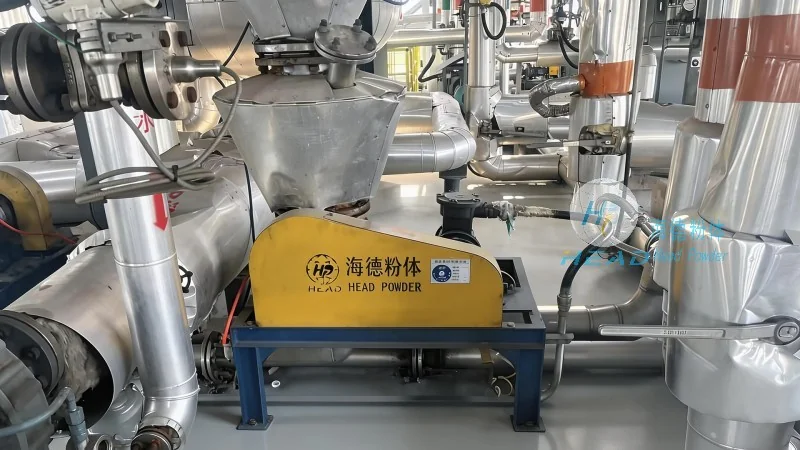
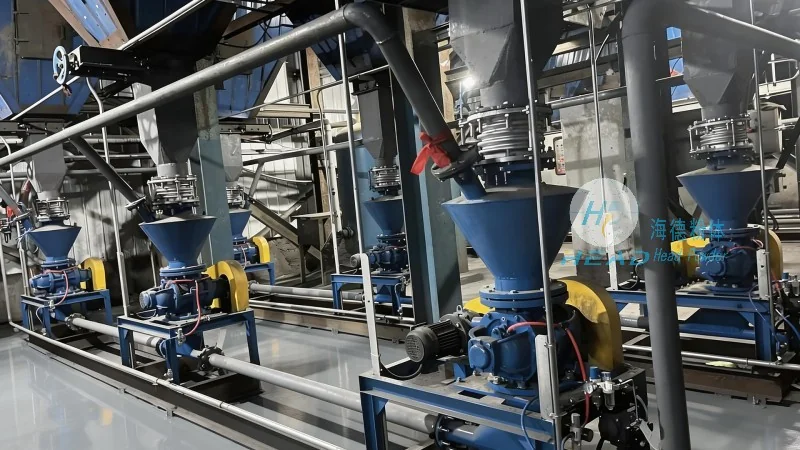
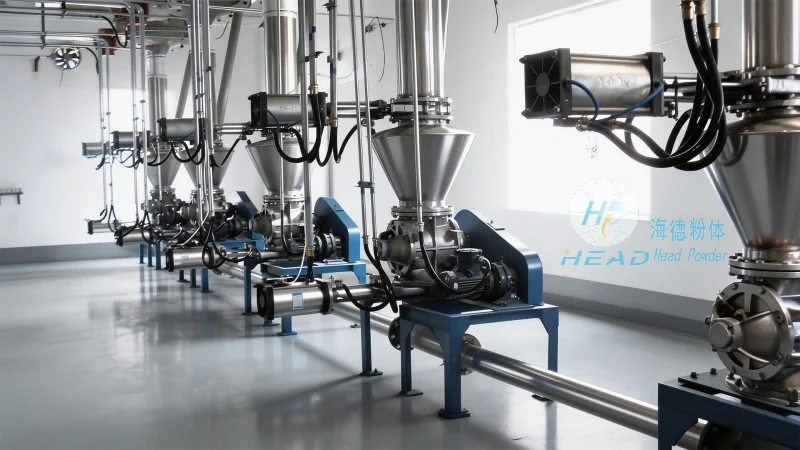
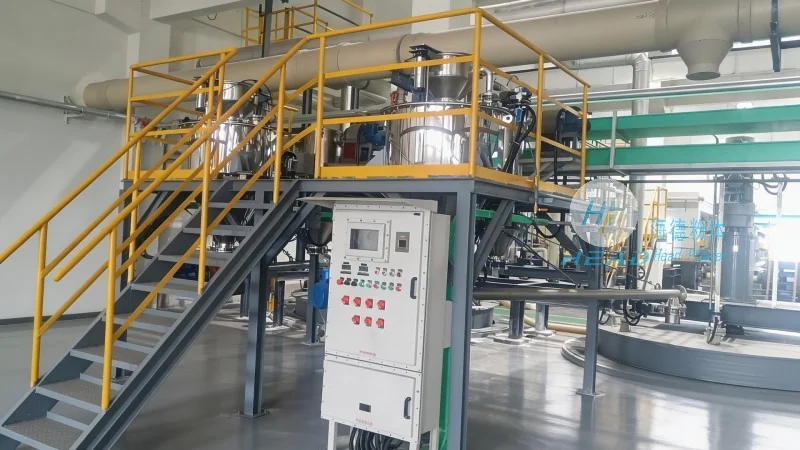
Positive Pressure Pneumatic Conveying for Bentonite
Positive pressure pneumatic conveying systems operate by generating a pressure higher than the ambient air within the conveying line. This is typically achieved using a positive displacement blower or a centrifugal fan, which forces air or gas into the system. The pressurized air creates a flow that propels the bentonite particles through the pipeline, ensuring consistent and reliable transport. For bentonite, which is often handled in bulk quantities, positive pressure systems are highly effective. They can handle large volumes of material over long distances, making them suitable for industrial plants where the material needs to be transported from storage to processing units. The high-pressure air also helps maintain the material's flow characteristics, preventing clogging and ensuring smooth operation. Additionally, positive pressure systems are less susceptible to external air infiltration, which can affect the material's quality. This makes them ideal for applications where the bentonite needs to be kept in a controlled environment, such as in food or pharmaceutical processing, although bentonite is more commonly used in industrial applications like drilling mud and foundry casting.
Negative Pressure Pneumatic Conveying for Bentonite
Negative pressure systems, or vacuum conveying, work by creating a vacuum in the conveying line, which draws the bentonite material from the source into the system. This is typically achieved using a vacuum pump or a fan that extracts air from the pipeline, reducing the pressure inside. The resulting pressure differential pulls the material through the pipeline, ensuring efficient transport. Negative pressure systems are particularly advantageous for short-distance or low-volume bentonite transport. They are often used in applications where the material needs to be collected from multiple points and transported to a central location, such as in a laboratory or a small-scale industrial setup. The vacuum also helps minimize dust emissions, making negative pressure systems a good choice for handling fine or powdery bentonite. This is beneficial in environments where dust control is critical, such as in indoor processing facilities or where the material is used in applications that require a clean environment. Additionally, negative pressure systems are generally more energy-efficient for short distances, as they do not require the high-pressure air that positive pressure systems use. This can lead to lower operational costs for applications with limited conveying distances.




