HeadPowder, a leading engineering firm based in Shandong, China, specializes in the design and implementation of pneumatic conveying systems tailored for agricultural applications, including the efficient handling of rapeseed. The company's expertise lies in addressing the unique challenges associated with conveying bulk materials like rapeseed, where pipeline blockages can significantly impact operational efficiency and productivity.
Challenges in Rapeseed Conveying with Pneumatic Systems
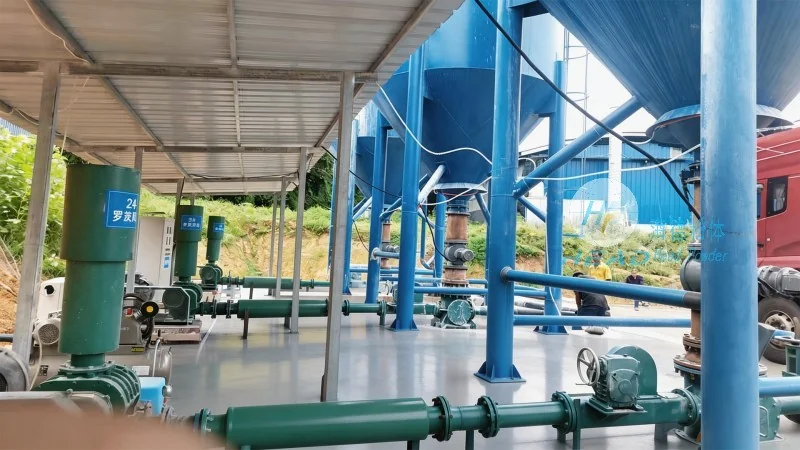
Pneumatic conveying systems are widely used for transporting rapeseed due to their ability to handle bulk materials with minimal manual intervention. However, these systems are susceptible to pipeline blockages, which can lead to system downtime, increased maintenance costs, and potential damage to equipment. The primary causes of blockages in rapeseed conveying include material properties such as moisture content, particle size distribution, and the presence of foreign objects. Additionally, the design of the conveying system, including pipe diameter, air velocity, and the configuration of bends and fittings, plays a critical role in preventing or mitigating blockages.
Key Design Parameters to Prevent Pipeline Blockages
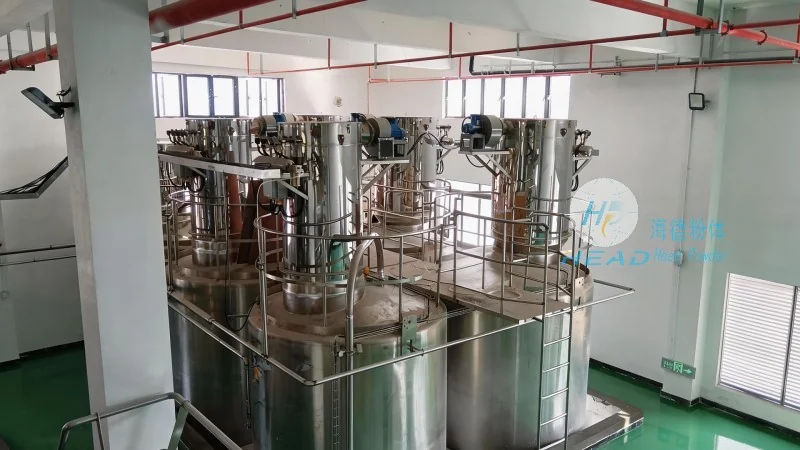
Effective prevention of pipeline blockages in rapeseed conveying relies on a combination of strategic design choices and operational considerations. The following parameters are crucial for ensuring smooth and continuous material flow:
Detailed Analysis of Critical Design Parameters
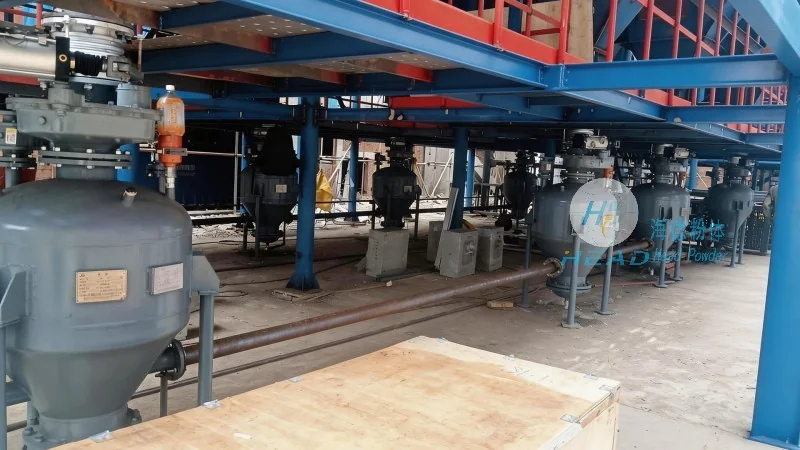
Firstly, the pipe diameter is a fundamental parameter that directly impacts the air velocity and material velocity within the system. A larger pipe diameter allows for higher material flow rates but may increase energy consumption. Conversely, a smaller diameter reduces energy use but requires higher air velocity to maintain material transport. For rapeseed, a pipe diameter of 100-150 mm is commonly recommended to balance flow efficiency and energy efficiency. The air velocity, typically measured in meters per second, must be sufficient to overcome the gravitational forces acting on the material particles. A minimum air velocity of 15-20 m/s is often required to prevent material settling and blockages. The configuration of bends and fittings is another critical factor. Sharp bends and complex fittings can cause material to accumulate and lead to blockages. Therefore, using smooth, gradual bends with a radius of at least 5 times the pipe diameter and minimizing the number of fittings is essential. Additionally, the use of airlocks and cyclones at strategic points in the system helps to separate material from air and prevent the buildup of material in the pipeline.
Practical Application and Operational Benefits
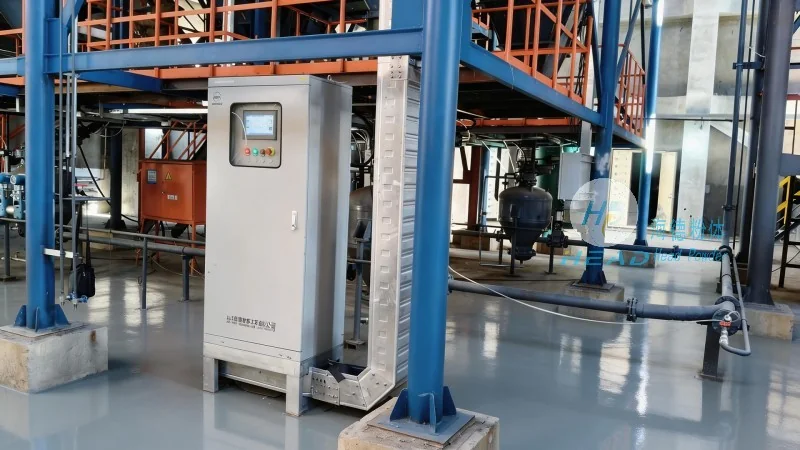
Implementing these design parameters in pneumatic conveying systems for rapeseed has proven to significantly reduce the incidence of pipeline blockages. Companies like HeadPowder have successfully designed systems that maintain consistent material flow rates, minimize downtime, and extend the lifespan of equipment. The key is to tailor the system design to the specific characteristics of the rapeseed being conveyed, including its moisture content, particle size, and bulk density. By carefully selecting pipe diameter, air velocity, and system configuration, operators can ensure reliable and efficient operation of pneumatic conveying systems, ultimately improving overall productivity and reducing operational costs.




