High-temperature fly ash pneumatic conveying is a critical technology in industrial waste management and material handling, particularly in power plants and other facilities that generate significant amounts of fly ash. This method involves transporting hot ash particles through a pipeline using pressurized air or gas. The process is essential for efficient and safe removal of ash from boilers and other combustion systems, ensuring compliance with environmental regulations and optimizing operational efficiency.
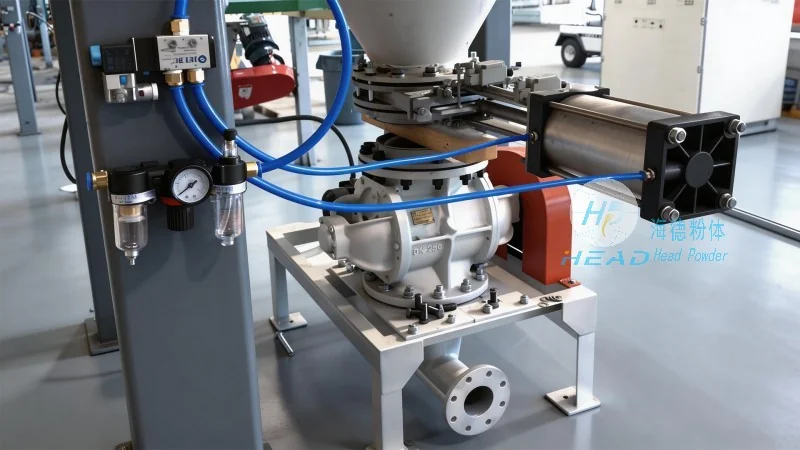
Company Overview: HeadPowder Engineering
HeadPowder Engineering, a leading provider in the field, specializes in the design, manufacturing, and implementation of advanced pneumatic conveying systems. With a strong presence in Shandong, China, the company has established itself as a trusted partner for industries seeking reliable solutions for high-temperature fly ash handling. Their expertise lies in creating customized systems that meet specific operational requirements, ensuring durability, efficiency, and safety in demanding environments.
Working Principle of High-Temperature Fly Ash Pneumatic Conveying
The core of the high-temperature fly ash pneumatic conveying system is the use of air or gas to create a flow that transports the ash particles. The process typically begins with the ash being introduced into a hopper or feeder, where it is then drawn into a pipeline by a high-pressure air stream. The air velocity is carefully controlled to ensure that the ash particles are entrained and carried through the pipeline without settling or causing blockages. This method is particularly effective for handling hot ash, as it avoids the need for mechanical components that could be damaged by high temperatures.
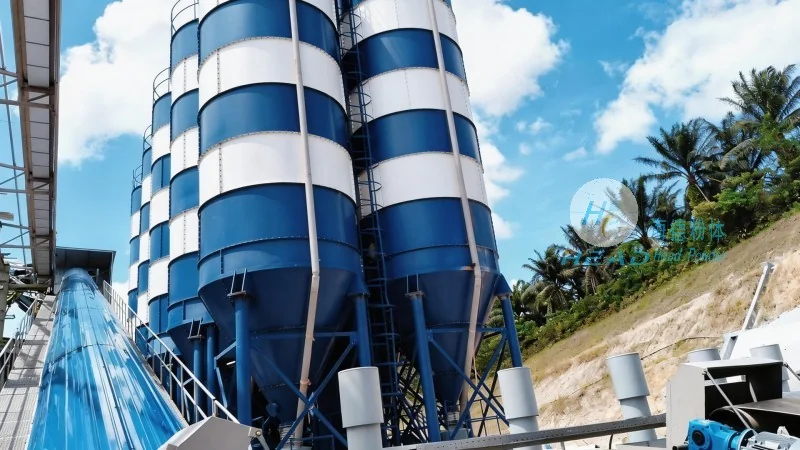
Operation Process: Step-by-Step Overview
The operation of a high-temperature fly ash pneumatic conveying system involves several key steps. First, the ash is collected from the boiler or combustion chamber and transferred to a storage hopper. From there, the ash is fed into the conveying line using a feeder, which regulates the flow rate. The air compressor then generates the necessary pressure to move the ash through the pipeline. The ash is transported to a collection or disposal point, where it is deposited and further processed if needed. This continuous process ensures a steady flow of ash removal, maintaining the efficiency of the combustion system and preventing ash buildup that could lead to operational issues.
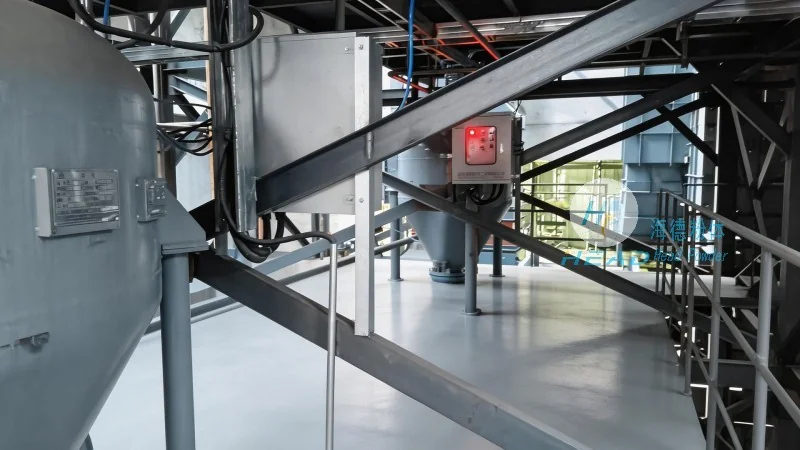
Key Components and Their Functions
Several critical components work together to ensure the smooth operation of the high-temperature fly ash pneumatic conveying system. The air compressor is responsible for generating the high-pressure air that drives the conveying process. The feeder or hopper controls the ash feed rate, ensuring consistent material flow. The pipeline itself must be designed to withstand high temperatures and pressures, often using materials such as stainless steel or specialized alloys. Additionally, filters and cyclones are used to separate the ash from the air stream, allowing for the recovery of valuable ash particles and preventing air pollution. These components are carefully selected and integrated to create a system that is both efficient and reliable.
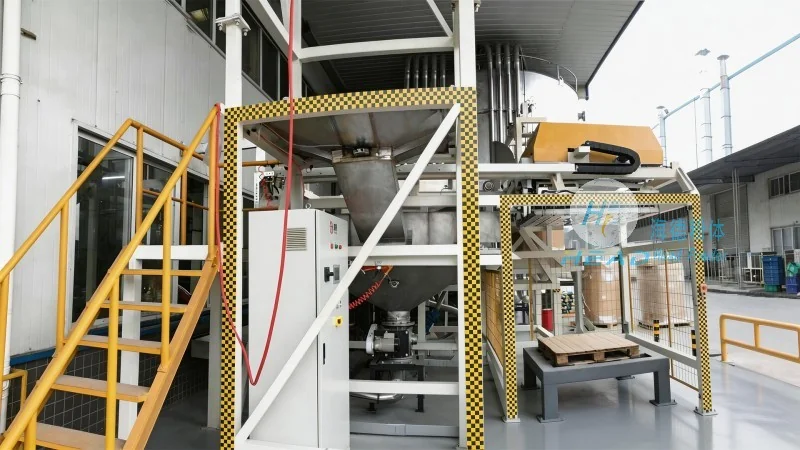
Advantages of High-Temperature Fly Ash Pneumatic Conveying
Compared to traditional mechanical conveying methods, high-temperature fly ash pneumatic conveying offers several advantages. One of the primary benefits is the elimination of moving parts in contact with the hot ash, reducing the risk of wear and tear and extending the system's lifespan. The system is also more flexible, as it can be easily reconfigured to accommodate changes in ash flow rates or pipeline layout. Additionally, pneumatic conveying can handle a wide range of ash particle sizes and moisture content, making it suitable for various applications. The process is also more environmentally friendly, as it reduces the need for manual handling and minimizes the risk of ash spills or emissions.
Applications and Industries
High-temperature fly ash pneumatic conveying is widely used in various industries, with a particular focus on power generation and industrial combustion facilities. In power plants, the system is used to remove ash from coal-fired boilers, ensuring that the ash is safely transported to disposal or recycling facilities. Other applications include cement plants, where ash is used as a raw material in the production of cement, and industrial facilities that generate fly ash from other combustion processes. The versatility of the system makes it suitable for a wide range of industries, from energy to manufacturing.




