For industrial facilities dealing with dust collection and ash transport, pneumatic conveying systems offer an efficient method to move bulk materials. However, a common challenge in these systems is pipeline blockage, which can halt operations and lead to costly downtime. Understanding the key design parameters that prevent blockages is crucial for maintaining smooth and reliable material transport. This article explores effective strategies and critical design considerations to mitigate blockages in pneumatic conveying systems used for dust and ash handling.
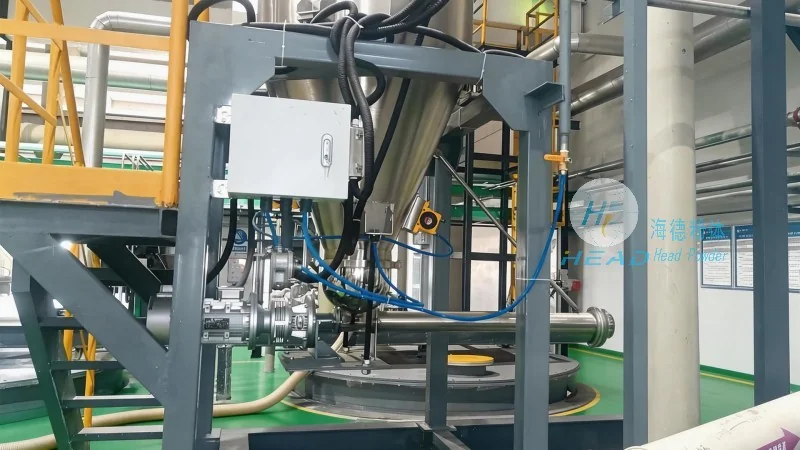
Understanding the Risks of Pipeline Blockages in Dust and Ash Transport
Pipeline blockages in pneumatic conveying systems can occur due to various factors, including material properties, system design, and operational conditions. Dust and ash often have fine particles that can agglomerate, leading to clogging in the pipeline. Additionally, moisture content, temperature variations, and the presence of sticky or cohesive materials can exacerbate blockage risks. When a blockage occurs, it can cause pressure surges, system failure, and require manual intervention to clear the obstruction. Preventing these issues from the outset through proper system design is essential for minimizing operational disruptions and ensuring consistent performance.
Key Design Parameters to Prevent Pipeline Blockages
Several critical design parameters must be carefully considered when designing a pneumatic conveying system for dust and ash transport to prevent blockages. These parameters include system pressure, pipeline diameter, material velocity, and the choice of pipeline materials. Each parameter plays a vital role in maintaining the flow of materials and preventing clogging.
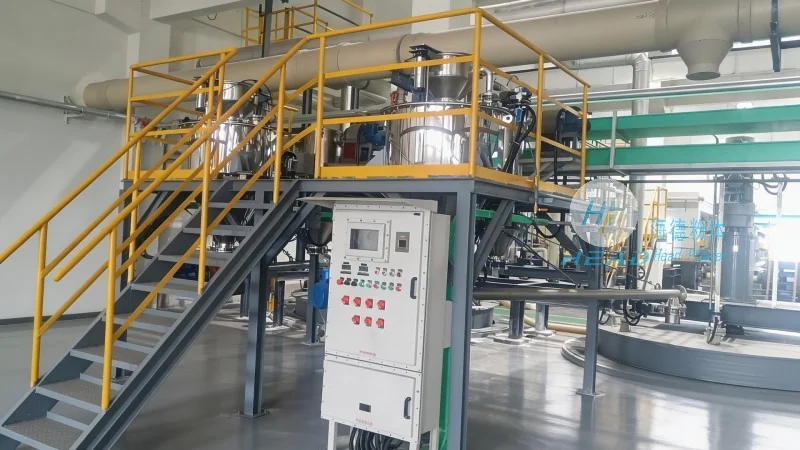
System Pressure and Its Impact on Blockage Prevention
The pressure within the pneumatic conveying system is a primary factor in preventing blockages. Higher pressure can help maintain the flow of materials by overcoming the resistance caused by particle agglomeration and pipeline friction. However, excessive pressure can also lead to other issues, such as increased energy consumption and potential damage to equipment. The optimal pressure level depends on the characteristics of the dust or ash being transported, including particle size, density, and moisture content. For example, systems handling fine, dry powders may require higher pressures to ensure consistent flow, while systems with larger particles might operate effectively at lower pressures.
Pipeline Diameter and Material Flow Dynamics
The diameter of the pipeline is another critical design parameter that affects blockage risk. Larger diameter pipelines generally reduce the risk of blockages because they allow for a higher volume of material to be conveyed, reducing the likelihood of particle accumulation. However, larger diameters also increase the cost of installation and maintenance. The choice of diameter should balance the need to prevent blockages with the practical constraints of the facility. For instance, in systems where space is limited, a smaller diameter might be necessary, but this requires careful consideration of the material's flow characteristics to avoid clogging.
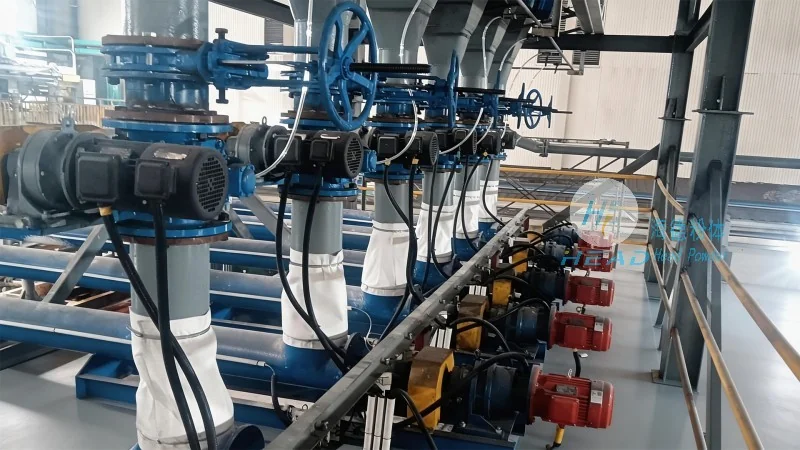
Material Velocity and Its Role in Preventing Blockages
The velocity of the material within the pipeline is crucial for maintaining a smooth flow and preventing blockages. The material velocity must be high enough to keep the particles in suspension and prevent them from settling or agglomerating. However, excessively high velocities can increase energy consumption and cause wear on the system components. The optimal velocity depends on the material's properties, such as particle size, density, and cohesive behavior. For dust and ash, typical velocities range from 20 to 30 meters per second, depending on the system design and operational requirements. Maintaining this velocity consistently is essential to avoid the formation of stagnant zones where blockages can occur.
Selection of Pipeline Materials to Mitigate Blockage Risks
The material used for the pipeline itself can significantly impact the risk of blockages. Materials that are smooth and non-porous are preferred as they reduce the likelihood of particles adhering to the pipe walls. Stainless steel, PVC, and polyethylene are common choices for pneumatic conveying systems due to their durability and resistance to corrosion. The choice of material should also consider the chemical properties of the dust or ash being transported, as some materials may react with certain pipe materials, leading to degradation or blockage. For example, systems handling acidic or corrosive dust may require stainless steel or specialized coatings to prevent material degradation and maintain system integrity.
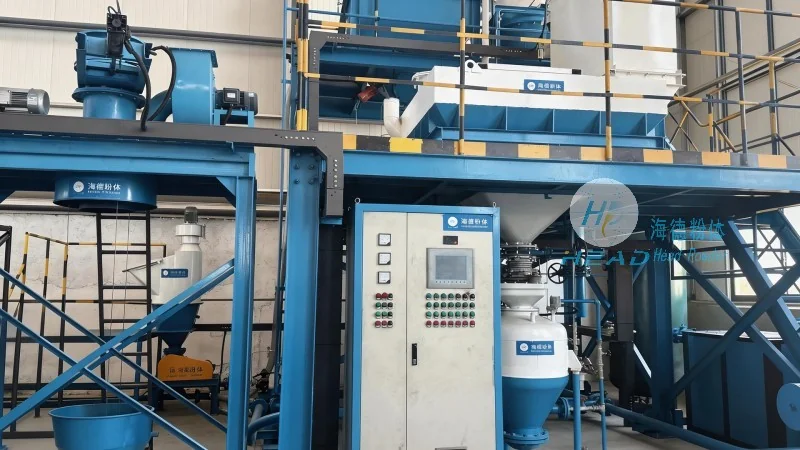
System Design and Operational Strategies for Blockage Prevention
Beyond the individual design parameters, the overall system design and operational strategies play a vital role in preventing blockages. This includes the layout of the pipeline, the inclusion of expansion joints, and the use of cleaning mechanisms. A well-designed system layout minimizes the number of bends and changes in direction, which can help maintain consistent material velocity and reduce the risk of particle accumulation. Expansion joints are often incorporated into the pipeline to accommodate thermal expansion and reduce stress on the system, which can also help prevent blockages caused by structural movement. Additionally, some systems may include cleaning mechanisms, such as air knives or rotary valves, to remove any buildup on the pipe walls and maintain smooth flow.
Conclusion: Ensuring Reliable Dust and Ash Transport with Proper Design
Preventing pipeline blockages in pneumatic conveying systems for dust and ash transport requires a comprehensive approach that considers multiple design parameters and operational strategies. By optimizing system pressure, pipeline diameter, material velocity, and pipeline materials, facilities can significantly reduce the risk of blockages and ensure reliable material transport. The expertise of companies like Shandong HeadPowder Engineering Co., Ltd. (headpowder) is invaluable in designing and implementing these systems, as they have the knowledge and experience to tailor solutions to specific material and operational requirements. With proper design and maintenance, pneumatic conveying systems can provide efficient and cost-effective solutions for dust and ash transport, minimizing downtime and maximizing operational efficiency.




