At Shandong HeadPowder Engineering Co., Ltd., we specialize in the design, manufacturing, and installation of advanced pneumatic conveying systems tailored for corn kernels. Our expertise lies in providing efficient and reliable solutions that ensure optimal performance in various agricultural and industrial applications. The following sections will detail the operation process and working principles of these systems, highlighting key components and their functions.
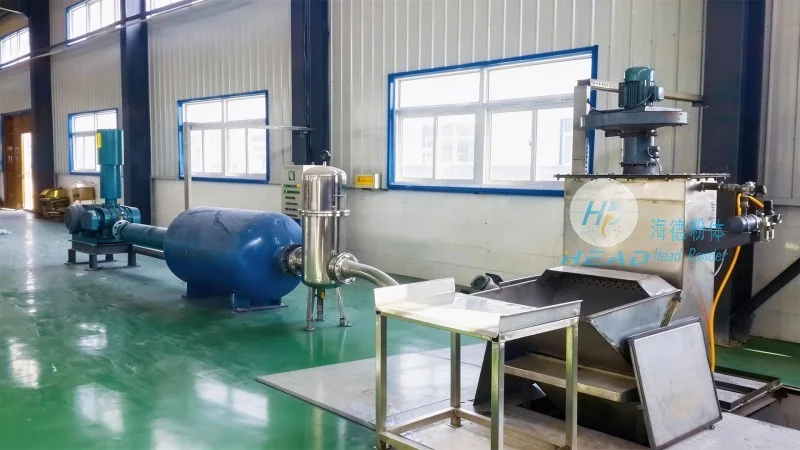
Understanding Pneumatic Conveying Technology
Pneumatic conveying is a method of transporting bulk materials, such as corn kernels, through a pipeline using air or gas as the conveying medium. Unlike traditional mechanical systems like conveyors or elevators, pneumatic conveyors offer advantages like minimal product damage, reduced labor costs, and the ability to handle materials in enclosed environments. This technology is widely used in the food processing industry due to its hygienic design and flexibility.
Key Components of a Corn Kernels Pneumatic Conveying System
A typical corn kernels pneumatic conveying system consists of several essential components that work in coordination to achieve efficient material transport. These include:
- Feed Hopper: A container that stores the corn kernels and feeds them into the system at a controlled rate. The hopper is equipped with a gate or valve to regulate the flow of material.
- Conveying Pipeline: A network of pipes where the corn kernels are carried by the air stream. The pipeline is designed with appropriate diameters and bends to minimize pressure loss and ensure smooth flow.
- Air Supply System: This includes a blower or fan that generates the necessary air pressure and volume to move the corn kernels through the pipeline. The air supply is typically filtered to remove contaminants and maintain system efficiency.
- Control Valves and Regulators: These components are used to control the air flow, pressure, and material flow rate. They ensure the system operates within safe and optimal parameters, preventing overloading or system failure.
- Receiving Hopper or Silo: The final destination where the corn kernels are deposited after being conveyed through the pipeline. This hopper may be equipped with additional features like level indicators or discharge mechanisms.
Operation Process of Corn Kernels Pneumatic Conveying
The operation of a corn kernels pneumatic conveying system involves several sequential steps that ensure the smooth and continuous transport of material. The process typically begins with the loading of corn kernels into the feed hopper. The hopper's gate is opened, allowing the kernels to fall into the conveying pipeline as the air supply is activated. The air stream, generated by the blower, creates a low-pressure zone in the pipeline, which draws the corn kernels into the air flow.
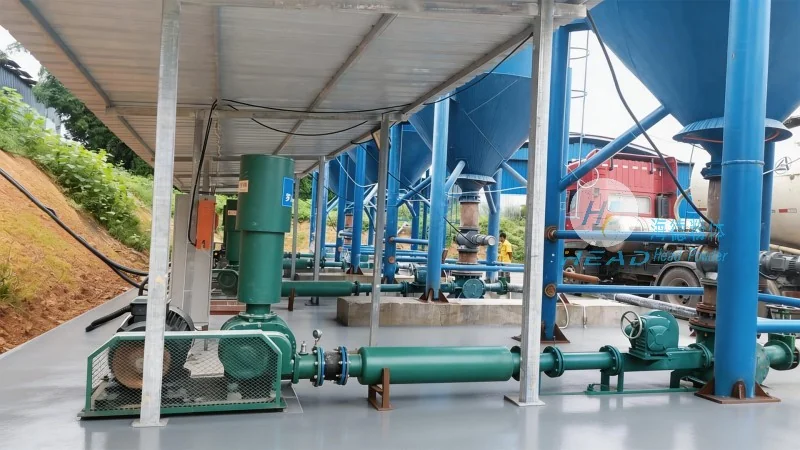
As the corn kernels are entrained by the air, they travel through the pipeline, passing through bends, elbows, and other components. The design of the pipeline and the air velocity are critical factors that determine the efficiency of the conveying process. Properly sized and positioned components ensure that the material is transported without excessive pressure loss or particle separation.
Upon reaching the receiving hopper, the corn kernels are discharged from the pipeline. The air flow continues to carry any remaining particles, which are then filtered and recirculated back into the system. This closed-loop system minimizes air loss and maintains the overall efficiency of the operation.
Working Principles of the System
The working principle of a corn kernels pneumatic conveying system is based on the principle of fluidization and entrainment. The air supply creates a pressure differential between the feed and receiving ends of the pipeline. This differential causes the corn kernels to be lifted and carried by the air stream. The velocity of the air must be sufficient to overcome the gravitational force acting on the kernels and any frictional losses within the pipeline.
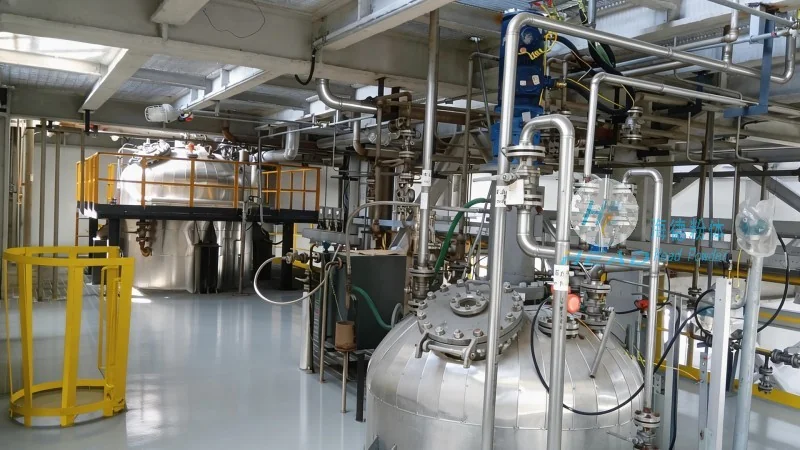
Key factors influencing the performance of the system include the air velocity, material density, and pipeline diameter. Higher air velocities can increase the conveying capacity but may also lead to higher energy consumption and potential product degradation. Therefore, optimal design and operation are crucial to balance efficiency and cost-effectiveness.
Benefits and Applications
Shandong HeadPowder Engineering Co., Ltd.'s corn kernels pneumatic conveying systems offer numerous benefits for agricultural and food processing industries. These include:
- Efficient Material Handling: The system provides a continuous and reliable method for transporting large quantities of corn kernels, reducing downtime and labor requirements.
- Product Protection: The enclosed and controlled environment of the pneumatic system minimizes the risk of product contamination and damage from external factors.
- Space Efficiency: Compared to traditional mechanical conveyors, pneumatic systems require less floor space and can be installed in various configurations, including vertical or horizontal layouts.
- Flexibility: The system can be easily integrated with other processing equipment, allowing for seamless material flow from storage to processing or packaging stages.
Conclusion
Shandong HeadPowder Engineering Co., Ltd. specializes in providing high-quality corn kernels pneumatic conveying systems that meet the diverse needs of the agricultural and food processing industries. By understanding the operation process and working principles of these systems, users can optimize their material handling operations, improve efficiency, and ensure product quality. Our expertise in system design and installation ensures that each project is tailored to the specific requirements of the client, delivering reliable and cost-effective solutions.




