For industrial applications requiring efficient dust removal and material handling, the pulse dust removal pneumatic conveying system stands out as a sophisticated solution. This technology integrates advanced filtration and material transport mechanisms to ensure optimal performance in various production environments. The following sections detail the operational process and working principles of this system, highlighting its key components and functional dynamics.
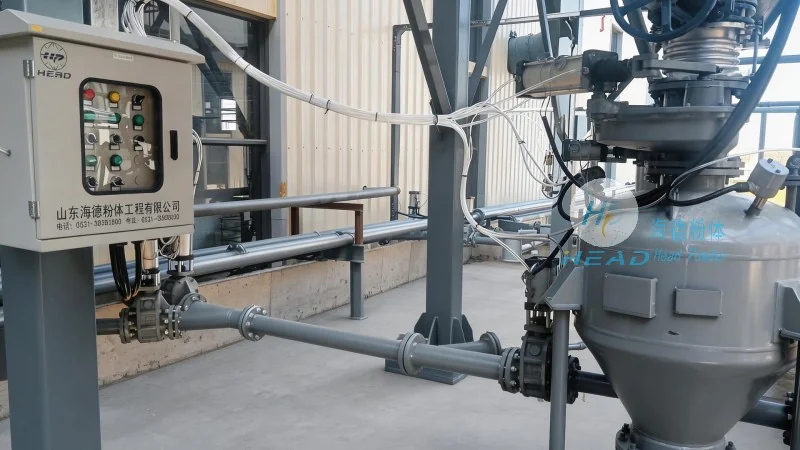
Company Introduction
HeadPowder, a leading provider in the field, specializes in engineering solutions for dust control and material handling. With a focus on innovation and precision, the company, Shandong HeadPowder Engineering Co., Ltd., is headquartered in Shandong, China. Their expertise lies in designing and manufacturing systems that meet stringent industrial standards while ensuring reliability and efficiency.
Overview of Pulse Dust Removal Pneumatic Conveying
Pulse dust removal pneumatic conveying systems are designed to handle fine particulate materials, such as powders and dust, by utilizing compressed air to transport them from one location to another. The system combines the functions of dust collection and material transport, making it a versatile choice for industries like pharmaceuticals, food processing, and chemical manufacturing. The core of this technology lies in the pulse mechanism, which ensures consistent material flow and efficient dust capture.
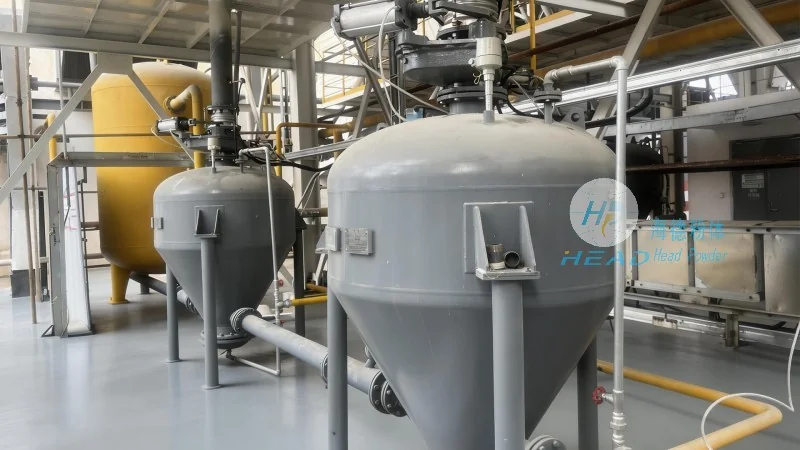
Key Components and Their Functions
The pulse dust removal pneumatic conveying system comprises several critical components, each playing a vital role in the overall operation. These include the dust collector, the conveying line, the pulse valve, the hopper, and the control system. The dust collector is responsible for capturing airborne particles, while the conveying line transports the material from the source to the destination. The pulse valve, controlled by the system's electronics, periodically releases bursts of compressed air to maintain the material's flow through the line. The hopper stores the material to be conveyed, and the control system manages the timing and pressure of the pulses, ensuring smooth operation.
Operation Process of the System
The operational process of a pulse dust removal pneumatic conveying system begins with the material being fed into the hopper. From there, the material is drawn into the conveying line by the negative pressure created by the dust collector. The pulse valve then releases short bursts of compressed air, which help to push the material forward and maintain a consistent flow. As the material travels through the line, it passes through the dust collector, where any remaining particles are captured and collected for disposal or recycling. The system's control unit monitors the pressure and flow rates, adjusting the pulse frequency as needed to optimize performance. This continuous cycle ensures that material is efficiently transported while maintaining high levels of dust removal efficiency.
Working Principle of the Pulse Mechanism
The working principle of the pulse mechanism in this system is based on the principle of air pressure and material flow dynamics. The pulse valve, when activated, releases a high-pressure air pulse into the conveying line. This pulse creates a pressure wave that travels along the line, helping to dislodge any material that may be stuck or stagnant. The frequency and duration of these pulses are carefully controlled to prevent excessive pressure drops or material degradation. The pulse mechanism ensures that the material remains in a suspended state, allowing it to be transported efficiently without clogging the system. This dynamic approach to material handling makes the pulse dust removal pneumatic conveying system highly effective in handling a wide range of materials, from fine powders to bulk materials.
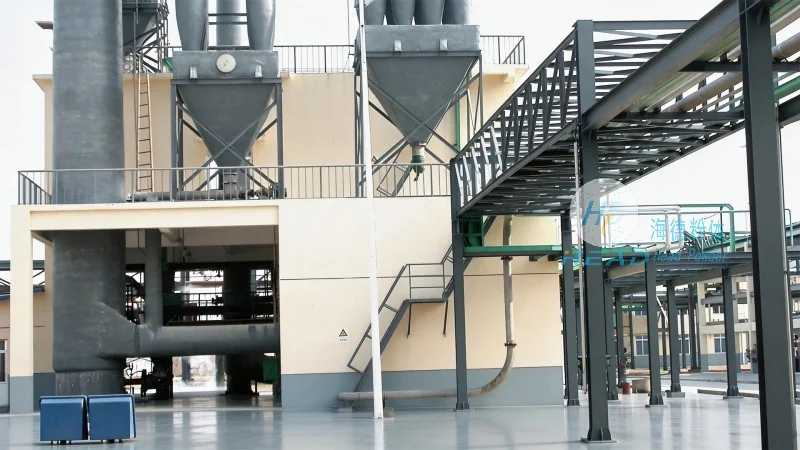
Advantages and Applications
Pulse dust removal pneumatic conveying systems offer several advantages over traditional methods, including high efficiency in dust removal, low maintenance requirements, and the ability to handle a variety of materials. These systems are particularly suitable for applications where dust control is critical, such as in pharmaceutical and food processing industries. The system's ability to transport materials over long distances without the need for mechanical components makes it a cost-effective solution for many industrial settings. Additionally, the pulse mechanism ensures that the material is transported in a clean and controlled manner, reducing the risk of contamination and improving product quality.
Conclusion
In conclusion, the pulse dust removal pneumatic conveying system is a highly effective solution for industrial dust control and material handling. By integrating advanced filtration and pneumatic transport technologies, this system provides a reliable and efficient means of managing fine particulate materials. With its robust design and precise control mechanisms, the system is well-suited for a wide range of applications, from small-scale operations to large industrial facilities. As a leading provider in the field, HeadPowder continues to innovate and improve these systems, ensuring that they meet the evolving needs of modern industry.




