Shandong HeadPowder Engineering Co., Ltd., located in Shandong, China, specializes in engineering solutions for material handling, particularly in the field of pneumatic conveying systems for potash fertilizer transport. The company has extensive experience in addressing the unique challenges associated with transporting potash, a critical agricultural fertilizer, through air-based systems. A major concern in such operations is the prevention of pipe blockages, which can lead to system downtime and increased maintenance costs. This article explores the key design parameters that are essential for ensuring efficient and reliable potash fertilizer transport via pneumatic conveying systems, with a focus on preventing blockages.
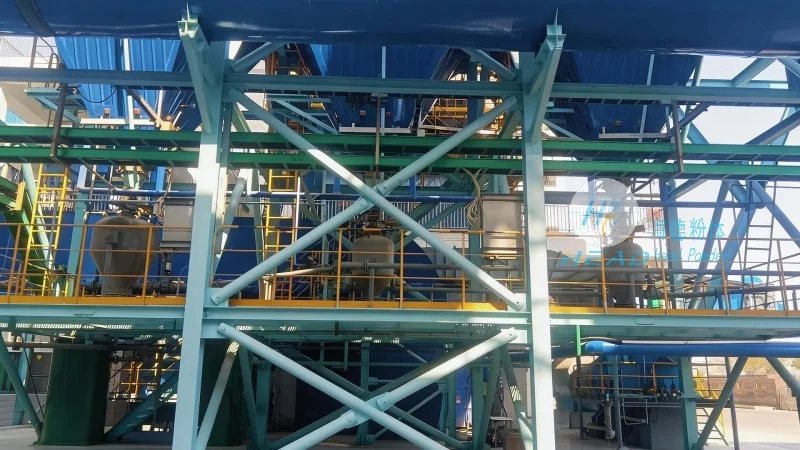
Understanding the Challenges of Potash Fertilizer in Pneumatic Conveying
Potash, typically in the form of potassium chloride (KCl) or potassium sulfate, presents specific characteristics that affect its handling in pneumatic systems. The granular nature of potash, with varying particle sizes and densities, can lead to issues such as agglomeration and increased friction within the conveying lines. Additionally, the moisture content and the tendency of potash particles to stick together can exacerbate blockage risks. These factors make it crucial to implement appropriate design considerations to maintain smooth material flow and prevent system disruptions.
Key Design Parameters for Preventing Pipe Blockages in Pneumatic Conveying Systems
Several critical design parameters must be carefully considered when designing a pneumatic conveying system for potash fertilizer to minimize the risk of pipe blockages. These parameters are directly related to the physical properties of the material and the operational conditions of the system.
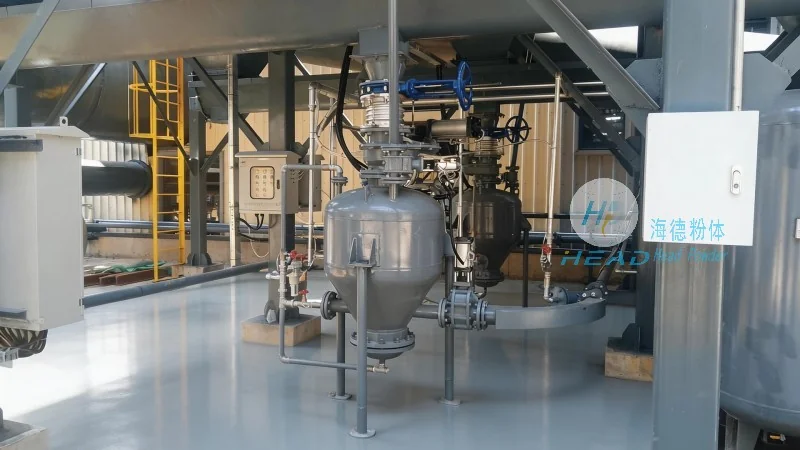
1. Air Velocity and Pressure
The air velocity within the conveying line is a primary factor in preventing blockages. Insufficient air velocity can cause the potash particles to settle and accumulate, leading to clogs. Conversely, excessively high air velocity may cause erosion of the pipe and increase energy consumption. The optimal air velocity for potash transport is typically determined based on the particle size distribution and the desired conveying distance. Shandong HeadPowder Engineering Co., Ltd. recommends maintaining an air velocity that is at least 1.5 times the minimum fluidization velocity of the potash particles to ensure consistent flow. The system pressure, often measured in bars or psi, must also be appropriately set to provide the necessary force to move the material through the pipeline without causing excessive pressure drops that could lead to blockages.
2. Pipe Diameter and Material
The diameter of the conveying pipe is another critical parameter. A larger pipe diameter reduces the risk of blockages by providing more space for the material to flow, reducing the likelihood of particle agglomeration. However, a larger diameter also increases the system's initial cost and energy consumption. Shandong HeadPowder Engineering Co., Ltd. suggests selecting a pipe diameter that is at least 1.5 times the largest particle size in the potash blend to ensure free movement. The material of the pipe itself is also important; materials such as stainless steel or high-density polyethylene are commonly used due to their resistance to corrosion and abrasion from the potash particles.
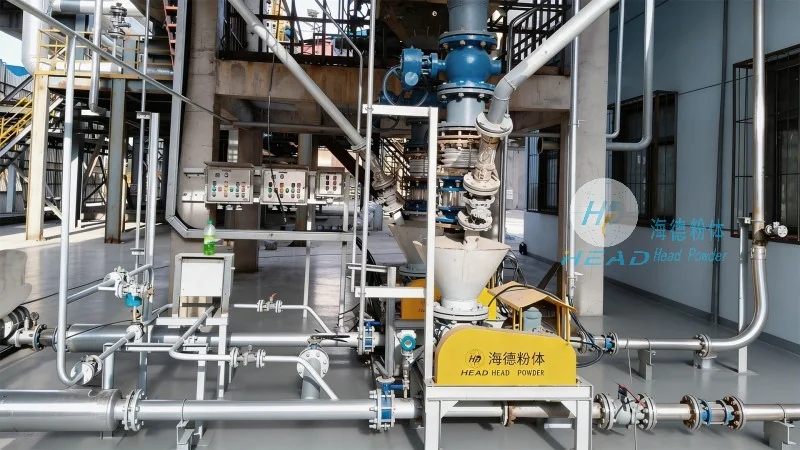
3. Conveying System Configuration
The configuration of the pneumatic conveying system, including the type of system (e.g., dilute-phase or dense-phase), the number of bends, and the placement of components like cyclones and filters, plays a significant role in preventing blockages. Dilute-phase systems, which use higher air velocities and lower material concentrations, are generally more effective for preventing blockages in potash transport compared to dense-phase systems, which operate at lower velocities and higher material loads. The number and angle of bends in the pipeline should be minimized or designed with larger radii to reduce friction and the risk of material accumulation at bends. Additionally, the placement of separation and filtration equipment is crucial; proper design ensures that any fines or moisture are removed before they can cause blockages in downstream components.
4. Material Handling and Conditioning
Pre-conveying steps, such as material conditioning and pre-screening, can significantly reduce the risk of blockages. Conditioning, which may involve drying or cooling the potash to adjust its moisture content and temperature, can improve its flowability. Pre-screening to remove oversized or foreign objects can prevent damage to the system and reduce the likelihood of blockages caused by debris. Shandong HeadPowder Engineering Co., Ltd. often recommends incorporating a pre-conveying hopper or feeder that can gently agitate the material before it enters the main conveying line, helping to break up agglomerates and ensure a consistent feed rate.
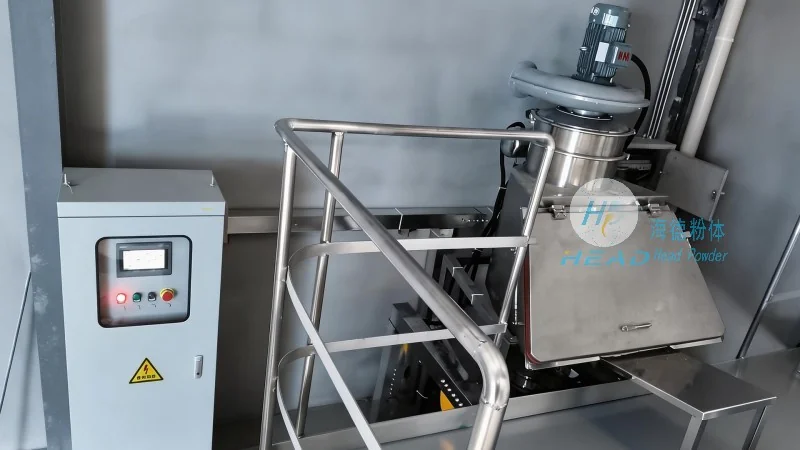
5. System Monitoring and Control
Implementing effective monitoring and control systems is essential for maintaining the performance of the pneumatic conveying system and preventing blockages. Sensors such as pressure transducers, flow meters, and level detectors can provide real-time data on the system's operation. Automated control systems can adjust air velocity, pressure, and feed rates based on the detected conditions, helping to maintain optimal flow and prevent overloading that could lead to blockages. Regular maintenance and cleaning of the system components, including the pipe, cyclones, and filters, are also critical to ensure that the system operates efficiently and without blockages.
Conclusion
Preventing pipe blockages in pneumatic conveying systems for potash fertilizer transport requires a comprehensive approach that considers the material's physical properties and the system's design parameters. By carefully selecting and optimizing air velocity, pipe diameter, system configuration, material handling procedures, and monitoring systems, Shandong HeadPowder Engineering Co., Ltd. helps clients achieve reliable and efficient potash transport operations. The key is to balance the operational requirements with the material characteristics to ensure smooth material flow and minimize downtime. With proper design and maintenance, pneumatic conveying systems can effectively handle potash fertilizer while reducing the risk of blockages and associated costs.




