Operation Process and Working Principle of Metallurgical Coal Powder Pneumatic Conveying
Release time:2026-09-20 05:01:35
name of the company:Shandong Headpowder Engineering Co., Ltd.
telephone:156-6277-7102
contacts:Zhang manager
This section introduces the fundamental concept of pneumatic conveying systems used in metallurgical industries for coal powder handling. The process involves transporting fine coal particles through a pipeline using air or gas as the conveying medium. Such systems are critical in steel mills, coking plants, and other metallurgical facilities where efficient and reliable coal powder transport is essential for production continuity.
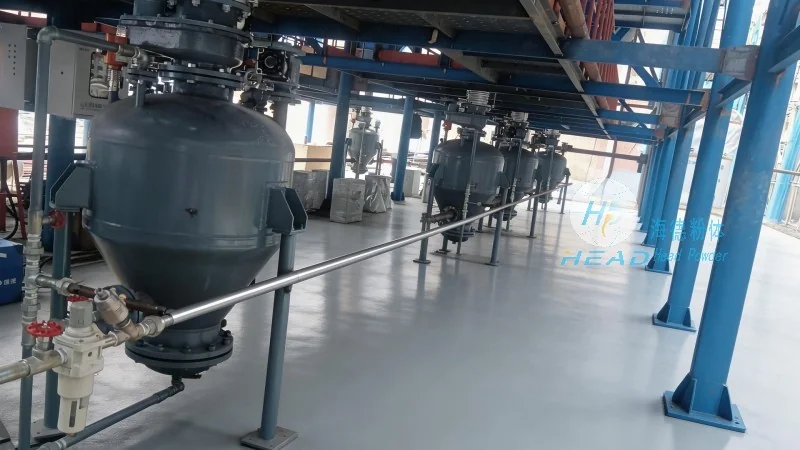
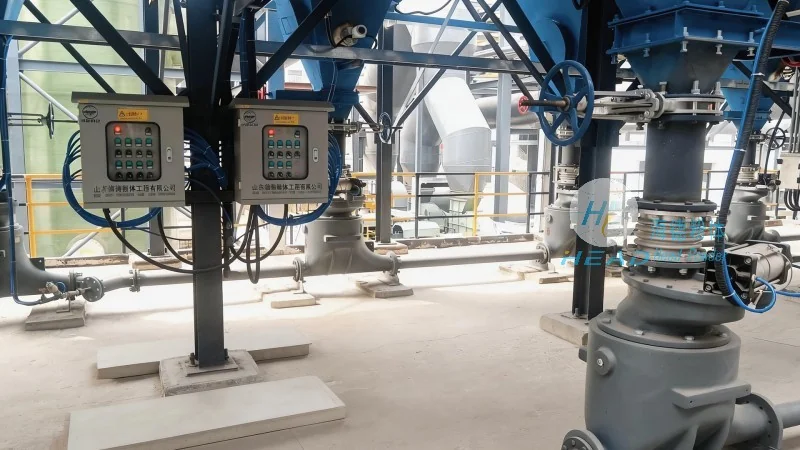
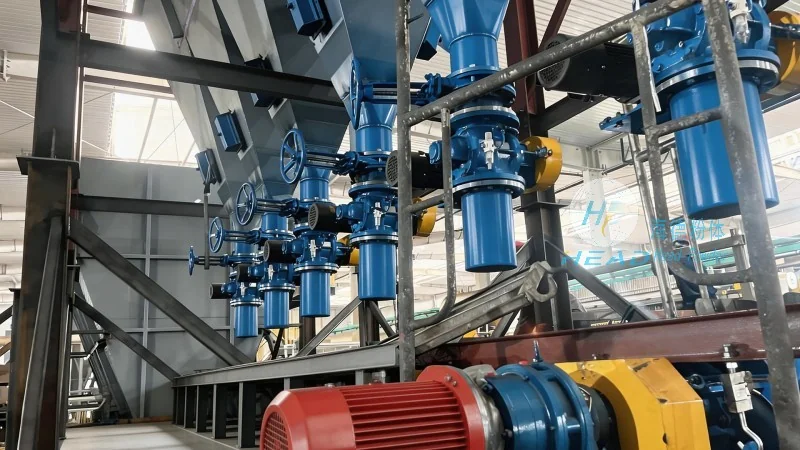
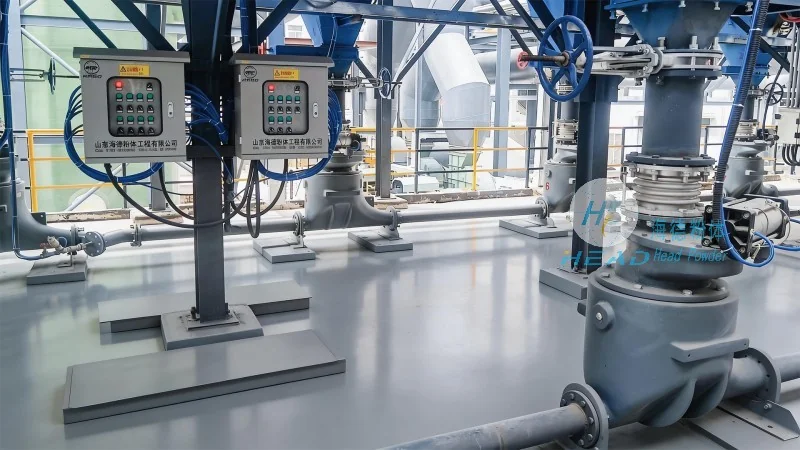
Key Components and System Overview
A typical pneumatic conveying system for metallurgical coal powder consists of several key components. These include a hopper or feeder to store and meter the coal powder, a blower or compressor to generate the necessary air pressure, a pipeline network to transport the material, and a receiver or discharge unit to collect the material at the destination. The system may also incorporate accessories like filters, cyclones, and pressure regulators to ensure optimal performance and safety.
Detailed Operation Process
The operation process of a metallurgical coal powder pneumatic conveying system begins with the storage of coal powder in a hopper or silo. The hopper is equipped with a feeder, such as a rotary valve or a screw feeder, which regulates the flow rate of the coal powder into the system. This ensures a consistent and controlled supply of material, preventing overfeeding or underfeeding that could disrupt the conveying process. The feeder is connected to a blower or compressor, which generates the necessary air pressure to move the material through the pipeline. The blower typically operates at a pressure of 0.5 to 2 bar, depending on the system's requirements and the pipeline length. As the air is introduced into the pipeline, it creates a low-pressure zone that draws the coal powder from the hopper into the conveying stream. The mixture of air and coal powder then travels through the pipeline, with the air velocity maintained above the minimum fluidization velocity to keep the particles suspended. The pipeline may include bends, valves, and other components that are designed to minimize pressure loss and ensure smooth flow. At the receiving end, the system uses a separator, such as a cyclone or a filter, to separate the air from the coal powder. The air is then discharged to the atmosphere or recirculated back to the blower, while the coal powder is collected in a receiver or discharge bin. The entire process is typically automated, with sensors and control systems monitoring the flow rate, pressure, and temperature to ensure optimal operation.




