Understanding the operation process and working principle of silica powder pneumatic conveying is crucial for optimizing material handling in industrial applications. This article provides a detailed overview of the key aspects involved in the process, emphasizing the technical aspects and practical considerations for effective implementation.
Introduction to Silica Powder Pneumatic Conveying
Silica powder, a common industrial material used in various sectors such as construction, pharmaceuticals, and chemical manufacturing, often requires efficient and safe transportation methods. Pneumatic conveying offers a reliable solution by utilizing air to transport the powder through a system of pipes and equipment. The process involves several critical components and steps that work in tandem to ensure smooth material transfer.
Key Components of the Pneumatic Conveying System
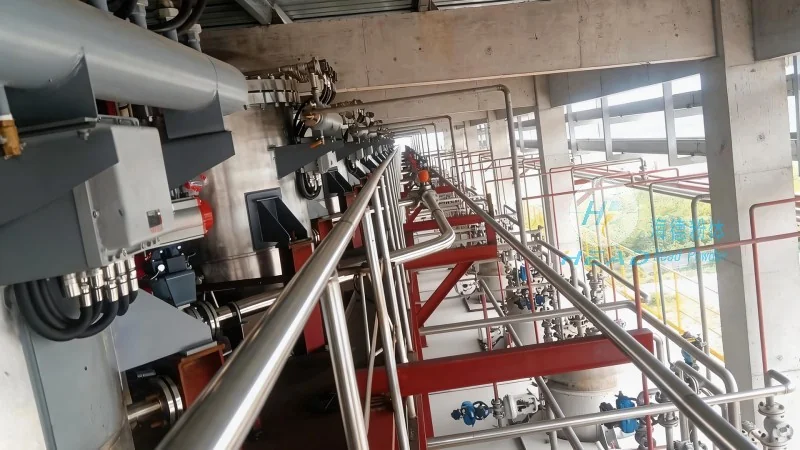
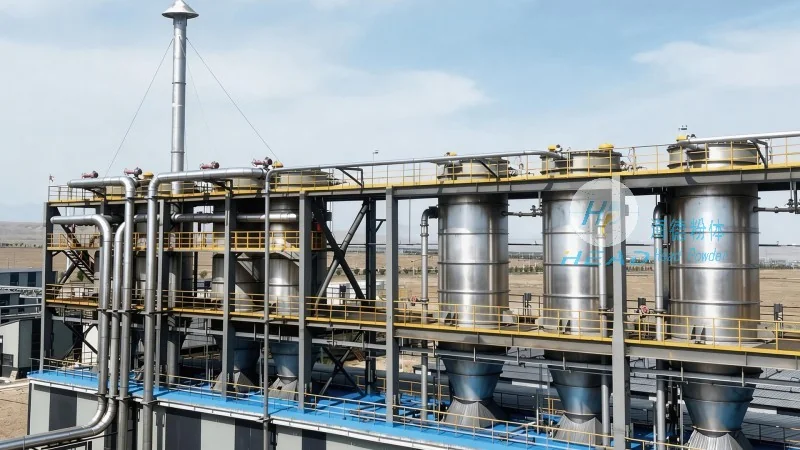
The silica powder pneumatic conveying system typically consists of several essential components. These include a material hopper or feeder, a compressor or blower to generate the air pressure, a pipeline network for transporting the powder, and a receiver or discharge unit to collect the material at the destination. Each component plays a vital role in the overall operation, and their proper integration is essential for optimal performance.
The Working Principle of Pneumatic Conveying
The core principle of pneumatic conveying is the use of air to create a flow that can carry the silica powder particles through the system. When the air is pressurized by the compressor, it enters the pipeline and creates a pressure differential that propels the powder forward. The powder is suspended in the air stream, allowing it to move efficiently without the need for mechanical conveyors that may cause wear or contamination. This method is particularly advantageous for handling fine powders like silica, which are prone to caking or segregation if not handled carefully.
Operation Process: Step-by-Step Overview
The operation process of silica powder pneumatic conveying can be broken down into several sequential steps. First, the silica powder is fed from the material hopper into the conveying line. The feeder ensures a consistent flow rate, preventing overloading or underloading that could affect the system's performance. Next, the compressor generates the necessary air pressure, which is then introduced into the pipeline. The air and powder mixture travels through the system, with the pipeline design (e.g., straight or curved sections) influencing the flow dynamics. At the receiving end, the powder is separated from the air, typically through a cyclone separator or filter, and collected in the receiver. The exhaust air is then vented to the atmosphere or recirculated, depending on the system configuration.
Factors Influencing System Performance
Several factors can impact the efficiency and effectiveness of the silica powder pneumatic conveying system. The particle size and density of the silica powder are critical, as finer particles may require higher air velocities to maintain suspension. The system's pressure and flow rate must be carefully controlled to avoid issues such as blockages or excessive energy consumption. Additionally, the pipeline material and design, including the use of bends and elbows, can affect the pressure drop and overall system efficiency. Proper maintenance of the components, such as the compressor and feeder, is also essential to ensure long-term reliability and performance.
Applications and Benefits in Industrial Settings
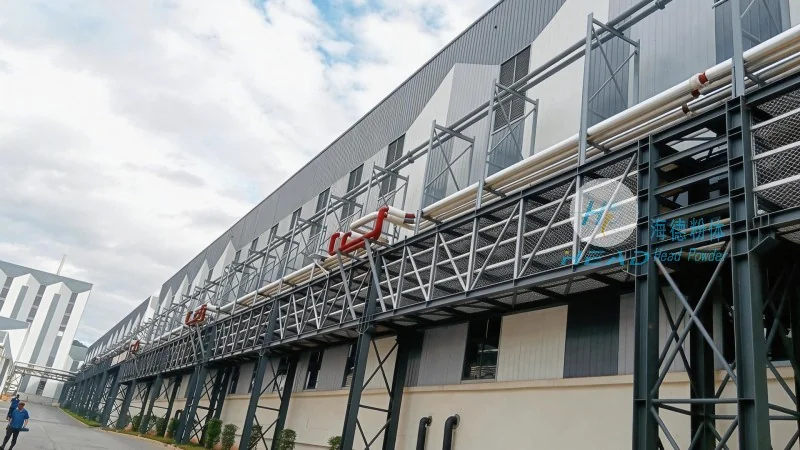
Silica powder pneumatic conveying is widely used in various industrial applications due to its advantages over traditional methods like belt conveyors or bucket elevators. The system offers benefits such as reduced material contamination, lower maintenance costs, and improved safety by eliminating the need for manual handling of powders. It is particularly suitable for applications where the powder needs to be transported over long distances or through complex layouts, such as in pharmaceutical manufacturing or chemical processing plants. The ability to handle fine powders without caking or segregation makes it an ideal choice for industries that require high-purity materials.
Conclusion
In conclusion, the operation process and working principle of silica powder pneumatic conveying involve a sophisticated system of components and processes designed to efficiently transport fine powders. By understanding the key principles and factors influencing performance, industrial operators can optimize their material handling systems to achieve higher efficiency, lower costs, and improved product quality. The technology, as exemplified by companies like Shandong HeadPowder Engineering Co., Ltd., continues to evolve, offering advanced solutions for modern industrial needs.




