HeadPowder, a leading provider of advanced material handling solutions, specializes in the design, manufacturing, and implementation of fully automatic bulk material pneumatic conveying systems. Based in Shandong, China, the company leverages cutting-edge technology to deliver efficient, reliable, and cost-effective solutions for various industrial applications. This article explores the operation process and working principle of such systems, highlighting the key components, operational steps, and the benefits of automated pneumatic conveying.
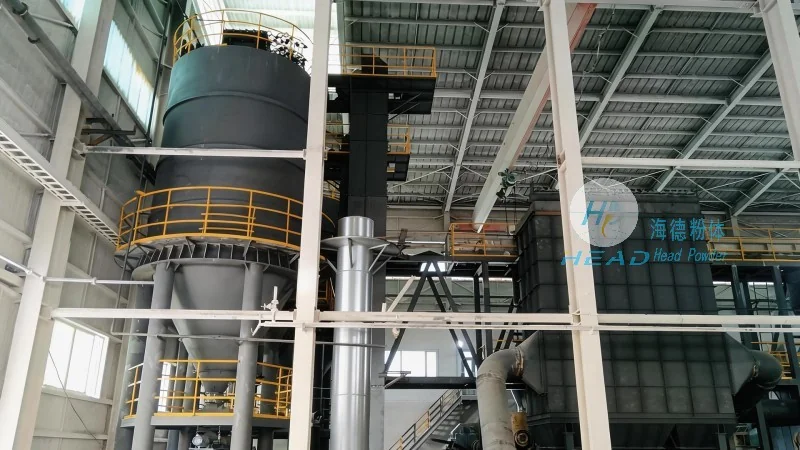
Overview of Fully Automatic Bulk Material Pneumatic Conveying
Fully automatic bulk material pneumatic conveying systems are sophisticated equipment used to transport dry bulk materials such as powders, granules, and pellets through a pipeline using air or other gases. These systems are widely employed in industries like pharmaceuticals, food processing, chemicals, and mining due to their ability to handle a wide range of materials with minimal human intervention. The core of these systems lies in the seamless integration of feeding, conveying, and discharge mechanisms, all controlled by advanced automation technologies.
Key Components of the System
The fully automatic bulk material pneumatic conveying system consists of several critical components that work in tandem to ensure smooth operation. These include:
1. Feeder: The feeder is responsible for accurately and continuously feeding the bulk material into the conveying system. It can be a screw feeder, rotary valve, or other types of feeders designed to handle different material characteristics and flow rates. The feeder ensures a consistent material supply, which is crucial for maintaining the system's efficiency.
2. Pneumatic Conveying Unit: This is the heart of the system, where the material is transported through the pipeline. It typically includes a blower or compressor that generates the necessary air pressure and flow. The conveying unit may consist of a series of pipes, bends, and fittings that guide the material from the feeder to the discharge point. The design of the conveying unit is tailored to the specific material properties and the required conveying distance.
3. Control System: The control system is the brain of the fully automatic operation. It monitors and controls all aspects of the conveying process, including the feeder speed, air pressure, and material flow. Modern control systems use sensors and programmable logic controllers (PLCs) to ensure precise and reliable operation. The system can be programmed to start and stop the conveying process automatically based on predefined parameters or external signals.
4. Discharge Unit: The discharge unit is where the material is released from the pipeline. It can be a rotary valve, gate valve, or other equipment that controls the flow of material out of the system. The discharge unit ensures that the material is delivered to the target location without spillage or blockage.
Operation Process of the Fully Automatic System
The operation process of a fully automatic bulk material pneumatic conveying system involves several sequential steps, each coordinated by the control system. The process typically begins with the preparation phase, where the system is checked for proper operation and the material is loaded into the feeder.
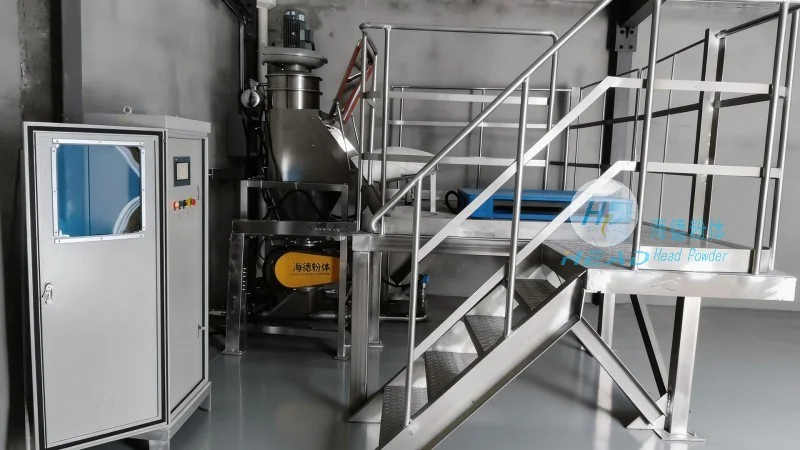
1. System Initialization: The control system initializes the system by checking the status of all components, such as the blower, feeder, and discharge unit. It ensures that all parts are in good working condition and that the air pressure is within the required range.
2. Material Feeding: Once the system is initialized, the feeder starts feeding the bulk material into the pneumatic conveying unit. The feeder operates at a controlled speed to maintain a consistent material flow rate. The material is then mixed with the air or gas from the blower, forming a slurry or suspension that is transported through the pipeline.
3. Pneumatic Conveying: The mixed material-air stream travels through the pipeline at high velocity, propelled by the air pressure generated by the blower. The system may include multiple stages of conveying, with intermediate silos or cyclones to separate the material from the air and direct it to the next stage or the final discharge point.
4. Material Discharge: At the end of the conveying line, the material is discharged from the pipeline into the target container or storage area. The discharge unit controls the flow of material to prevent overfilling or spillage. The control system monitors the discharge process and adjusts the feeder speed or air pressure as needed to maintain the desired flow rate.
5. System Termination: After the material has been fully conveyed, the control system stops the feeder and blower, and the system enters a standby mode. The system may also perform a cleaning cycle to remove any residual material from the pipeline and ensure that it is ready for the next operation.
Working Principle of the System
The working principle of a fully automatic bulk material pneumatic conveying system is based on the principles of fluid dynamics and material handling. The system uses air or gas as the conveying medium to transport the bulk material through the pipeline. The key to the system's efficiency lies in the proper design and operation of the conveying unit, which ensures that the material is transported with minimal pressure loss and maximum velocity.
The blower or compressor in the system generates a high-pressure air stream that is introduced into the conveying line. The material is then fed into the line, where it is mixed with the air, creating a suspension. The suspension travels through the pipeline at a high velocity, which is sufficient to overcome the gravitational and frictional forces acting on the material particles. The design of the pipeline, including the diameter, length, and number of bends, is critical to maintaining the required velocity and pressure.
The control system plays a vital role in maintaining the stability of the conveying process. It monitors the pressure, flow rate, and material level in the system and adjusts the blower speed or feeder speed as needed to maintain the desired conditions. The system can also detect and respond to safety issues, such as overpressure or blockages, and trigger an alarm or automatic shutdown to prevent damage to the equipment or material.
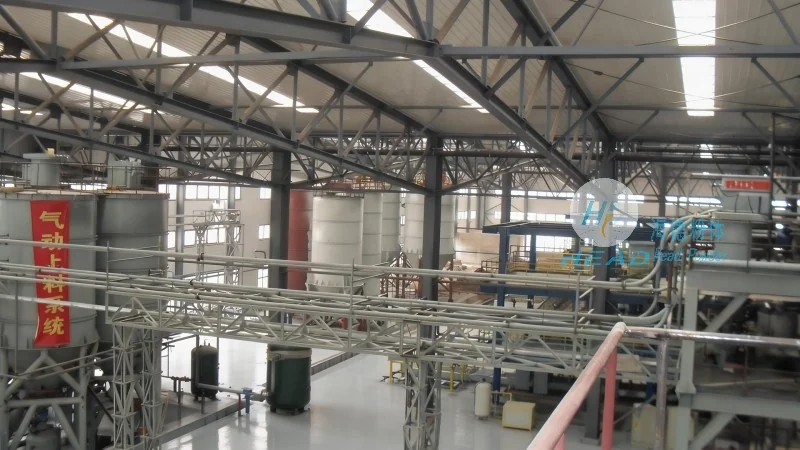
Benefits of Fully Automatic Bulk Material Pneumatic Conveying
Implementing a fully automatic bulk material pneumatic conveying system offers several advantages over traditional manual or semi-automatic systems. These benefits include:
1. Increased Efficiency and Productivity: The automated system ensures consistent and continuous material flow, reducing downtime and increasing production output. The control system optimizes the operation, minimizing energy consumption and maximizing material throughput.
2. Improved Safety: The system minimizes human intervention, reducing the risk of accidents and exposure to hazardous materials. The automated control system can detect and respond to safety issues immediately.
3. Reduced Labor Costs: By automating the material handling process, the system reduces the need for manual labor, lowering labor costs and improving operational efficiency.
4. Enhanced Product Quality: The automated system ensures consistent material handling, which helps maintain the quality and purity of the bulk material. The system can be designed to handle sensitive materials without causing contamination or degradation.
5. Flexibility and Scalability: The fully automatic system can be easily scaled to accommodate changes in production volume or material types. The control system can be programmed to handle different materials and flow rates, making the system versatile and adaptable to various industrial applications.
Conclusion
Fully automatic bulk material pneumatic conveying systems are advanced solutions that offer significant benefits in terms of efficiency, safety, and cost-effectiveness. The operation process involves a series of coordinated steps, from material feeding to discharge, all controlled by an advanced automation system. The working principle is based on fluid dynamics and material handling, with the system using air or gas as the conveying medium. By leveraging cutting-edge technology, companies like Shandong HeadPowder Engineering Co., Ltd. are able to provide reliable and efficient solutions for various industrial applications, helping businesses improve their operational performance and achieve their production goals.




