Asbestos powder handling requires specialized equipment to ensure safety and efficiency. Pneumatic conveying systems are widely used for transporting asbestos powder due to their ability to handle fine powders and minimize dust exposure. Two primary modes of operation exist: positive pressure and negative pressure systems. This article, presented by Shandong HeadPowder Engineering Co., Ltd. (headpowder), provides a detailed comparison of these two modes, highlighting their advantages, disadvantages, and applications in asbestos powder handling. The company, based in Shandong, China, specializes in engineering solutions for material handling, including pneumatic conveying systems for hazardous materials like asbestos powder.
Understanding Positive Pressure Pneumatic Conveying
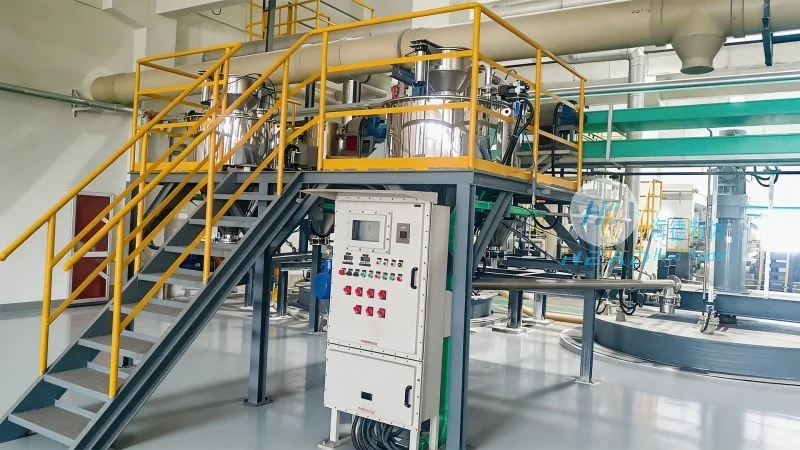
Positive pressure systems operate by blowing air or a carrier gas into the conveying line, creating a pressure higher than the ambient air pressure. This method propels the asbestos powder through the pipeline. The system typically includes a blower or compressor at the inlet, a hopper for material storage, and a discharge point at the receiving end. Positive pressure systems are known for their high conveying capacity and ability to transport materials over long distances. They are particularly effective for applications where the material needs to be delivered to multiple points or over significant vertical heights. The continuous flow of air ensures that the powder is consistently moved through the system, reducing the risk of clogging. However, these systems require more energy to operate and may generate more noise compared to negative pressure systems. Additionally, they can be more complex to install and maintain due to the higher pressure requirements.
Key Features of Positive Pressure Systems
Positive pressure systems are characterized by several key features that make them suitable for certain asbestos powder applications. These include high conveying rates, which allow for the efficient movement of large quantities of powder. The ability to handle long distances and vertical lifts is another advantage, as the system can maintain sufficient pressure to overcome gravitational and frictional forces. The use of a blower or compressor ensures a consistent flow of air, which helps in maintaining the particle velocity necessary for effective transport. Furthermore, positive pressure systems can be designed with multiple discharge points, making them ideal for distributing asbestos powder to various locations within a facility. This flexibility is particularly valuable in industrial settings where material needs to be delivered to different processing units or storage areas.
Challenges and Considerations for Positive Pressure Systems
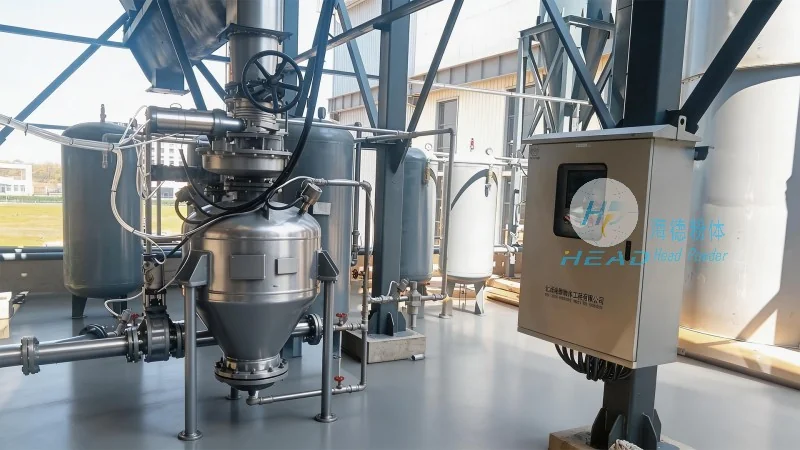
Despite their advantages, positive pressure systems present several challenges when used for asbestos powder handling. The higher pressure operation increases the risk of leaks and pressure-related failures, which can lead to dust emissions and safety hazards. Regular maintenance is crucial to ensure the system operates efficiently and safely. The energy consumption is also higher compared to negative pressure systems, which can impact operational costs over time. Additionally, the noise generated by the blower or compressor may require soundproofing measures to comply with environmental regulations. In some cases, the system may require more complex piping and control systems to manage the pressure and flow rates effectively.
Understanding Negative Pressure Pneumatic Conveying
Negative pressure systems, also known as vacuum systems, operate by creating a vacuum in the conveying line, which draws the asbestos powder from the source to the receiver. The system uses a vacuum pump at the discharge end to create the low pressure, and the material is pulled through the pipeline. Negative pressure systems are generally more energy-efficient and quieter than positive pressure systems. They are often preferred for applications where the material needs to be collected from multiple points or where the receiving end is at a lower elevation than the source. The lower pressure operation reduces the risk of leaks and makes the system easier to install and maintain. However, negative pressure systems have limitations in terms of conveying distance and capacity. The vacuum pressure is typically lower than the pressure in positive systems, which can limit the ability to transport materials over long distances or through complex piping networks. The system may also be more susceptible to clogging if the powder is too fine or has high moisture content.
Key Features of Negative Pressure Systems
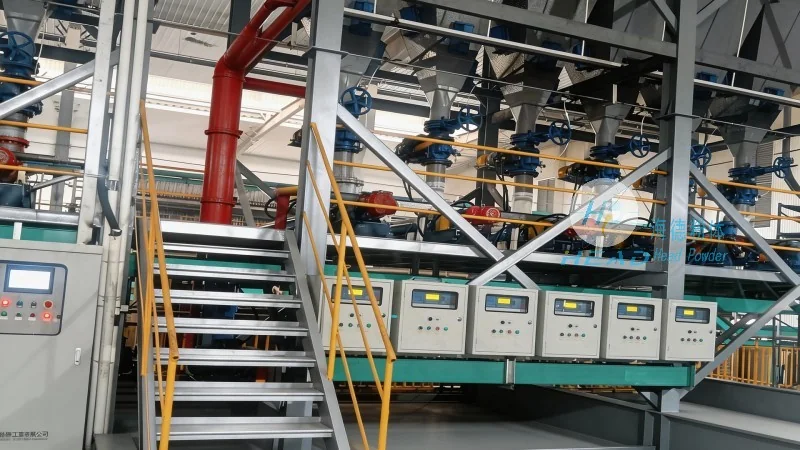
Negative pressure systems offer several features that make them suitable for specific asbestos powder handling scenarios. The primary advantage is their energy efficiency, as the vacuum pump operates at lower power levels compared to a blower. This results in lower operational costs and reduced environmental impact. The quiet operation is another benefit, as the vacuum pump is generally less noisy than a high-pressure blower, making it suitable for applications in industrial environments where noise control is important. The system is also relatively simple to install, as it does not require high-pressure piping or complex pressure control systems. The ability to collect material from multiple points is a key feature, as the vacuum can draw powder from various sources into a central collection point. This flexibility is particularly useful in facilities where asbestos powder is generated at different locations and needs to be consolidated for disposal or processing.
Challenges and Considerations for Negative Pressure Systems
While negative pressure systems have their advantages, they also face several challenges when handling asbestos powder. The main limitation is the reduced conveying capacity and distance compared to positive pressure systems. The lower vacuum pressure may not be sufficient to transport fine powders over long distances or through complex layouts, leading to potential clogging or incomplete transfer. The system is also more susceptible to air leaks, which can reduce the vacuum efficiency and affect the conveying performance. Additionally, the collection of fine particles may require additional filtration to prevent dust emissions, as the vacuum system can draw in ambient air and dust particles. The maintenance of the vacuum pump and filtration system is also important to ensure the system operates effectively and safely. In some cases, the system may need to be equipped with additional components, such as cyclones or filters, to handle the fine asbestos powder and prevent contamination.
Comparison of Positive and Negative Pressure Systems for Asbestos Powder
When choosing between positive and negative pressure pneumatic conveying systems for asbestos powder handling, several factors need to be considered. The primary factors include the distance and elevation changes, the required conveying capacity, the energy efficiency, and the operational safety. Positive pressure systems are generally preferred for long-distance and high-elevation applications due to their higher pressure and capacity. They are suitable for applications where the material needs to be delivered to multiple points or over significant vertical heights. Negative pressure systems are more suitable for shorter distances, lower elevations, and applications where energy efficiency and quiet operation are critical. They are ideal for collecting material from multiple sources and consolidating it at a central point.
Applications in Asbestos Powder Handling
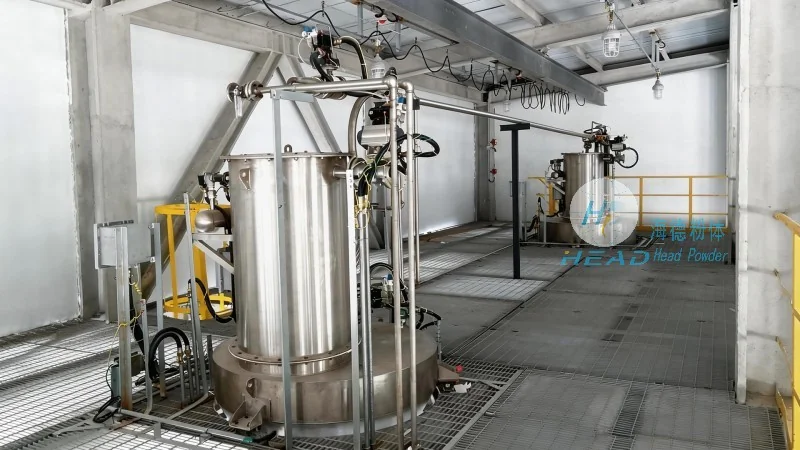
The choice of pneumatic conveying system depends on the specific application in asbestos powder handling. For example, in asbestos processing facilities, positive pressure systems may be used to transport asbestos powder from storage silos to processing equipment, especially if the equipment is located at a higher elevation. Negative pressure systems may be used to collect asbestos powder from processing equipment or dust collection systems and transport it to a central storage or disposal area. The selection also depends on the safety requirements, as both systems must be designed to minimize dust exposure and ensure worker safety. Proper filtration and dust control measures are essential in both systems to comply with environmental regulations and protect workers from asbestos exposure.
Conclusion and Recommendations
Both positive and negative pressure pneumatic conveying systems are effective for handling asbestos powder, but their suitability depends on the specific application requirements. Positive pressure systems offer higher capacity and longer conveying distances, making them suitable for large-scale operations. Negative pressure systems provide energy efficiency and quiet operation, making them ideal for applications where these factors are critical. When selecting a system, it is important to consider the distance, elevation, capacity, and safety requirements. Additionally, regular maintenance and proper filtration are essential to ensure the system operates efficiently and safely. By understanding the advantages and limitations of each system, industrial facilities can choose the most appropriate pneumatic conveying solution for their asbestos powder handling needs, ensuring optimal performance and compliance with safety and environmental regulations.




