HeadPowder, a leading engineering firm based in Shandong, China, specializes in advanced material handling solutions, including pneumatic conveying systems for coking coal and limestone powder. This article provides a detailed analysis of the two primary pneumatic conveying modes—positive pressure and negative pressure—exploring their technical principles, operational characteristics, and suitability for handling bulk materials like coking coal and limestone powder.
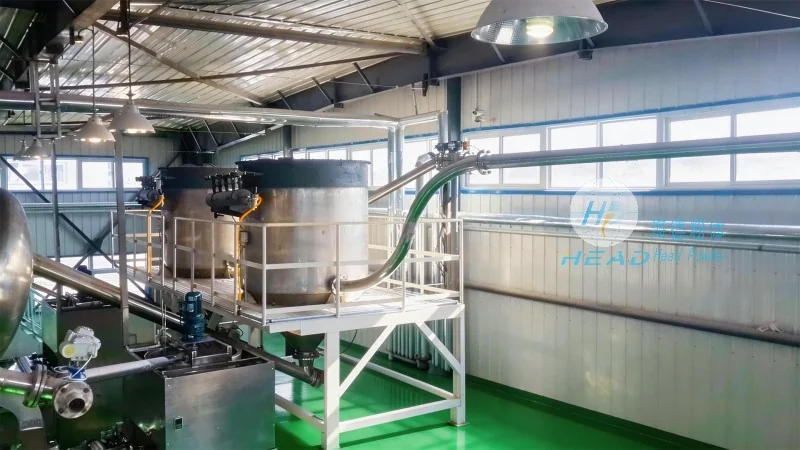
Understanding Pneumatic Conveying Systems for Bulk Materials
Pneumatic conveying is a critical technology in industrial material handling, enabling the transport of dry bulk materials such as powders, granules, and fine particles through a pipeline using air or gas as the conveying medium. For applications involving coking coal and limestone powder, which are commonly used in steelmaking and cement production, the choice of conveying mode significantly impacts system efficiency, cost, and operational safety. Two main categories of pneumatic conveying systems are widely adopted: positive pressure (pressure) systems and negative pressure (vacuum) systems. Each mode has distinct advantages and limitations that must be carefully evaluated based on the material properties, process requirements, and plant layout.
Positive Pressure Pneumatic Conveying Systems
Positive pressure systems operate by blowing air or gas into the conveying pipeline, creating a pressure higher than the ambient atmosphere. The material is drawn into the pipeline by the pressure differential and transported to the destination. In the context of coking coal and limestone powder, positive pressure systems are often preferred for long-distance or high-capacity applications due to their ability to handle abrasive or corrosive materials without significant wear on components. The system typically includes a blower or compressor at the inlet, a hopper for material storage, and a discharge device at the outlet. The air flow is continuous, ensuring consistent material transport and minimizing the risk of material degradation. However, positive pressure systems require robust sealing and filtration to prevent dust emissions and maintain air quality, which can increase operational costs. Additionally, the high pressure can lead to higher energy consumption compared to negative pressure systems, especially for short-distance conveying.
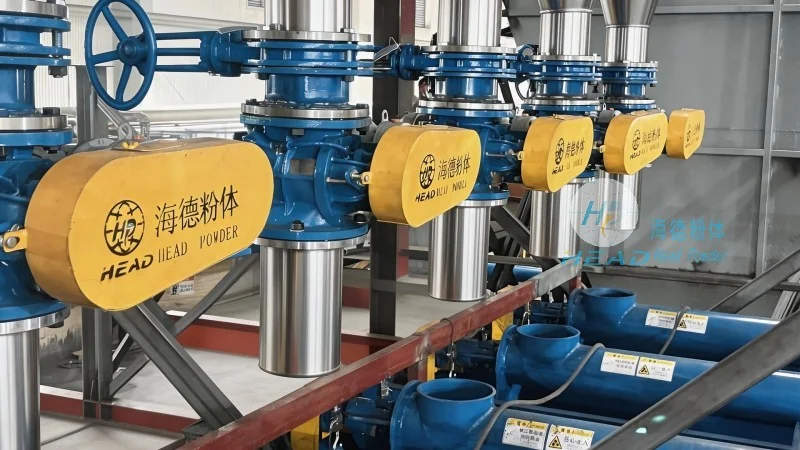
Negative Pressure Pneumatic Conveying Systems
Negative pressure systems, also known as vacuum conveying systems, operate by creating a vacuum in the pipeline, drawing material from the source into the system. The material is then transported to the destination by the pressure differential between the source and the discharge point. For coking coal and limestone powder, negative pressure systems are often chosen for short-distance or low-capacity applications where the material is sensitive to high pressure or where the plant layout allows for a simpler system design. The system typically includes a vacuum pump at the inlet, a hopper, and a discharge valve at the outlet. The vacuum is maintained by continuously extracting air from the pipeline, which can lead to lower energy consumption compared to positive pressure systems. However, negative pressure systems are more susceptible to clogging and material buildup in the pipeline, especially for fine powders like limestone. The system also requires careful maintenance to prevent air leaks, which can reduce efficiency and increase energy usage. Additionally, the vacuum environment may not be suitable for materials that are prone to dust explosion, as the presence of an ignition source could lead to hazardous conditions.
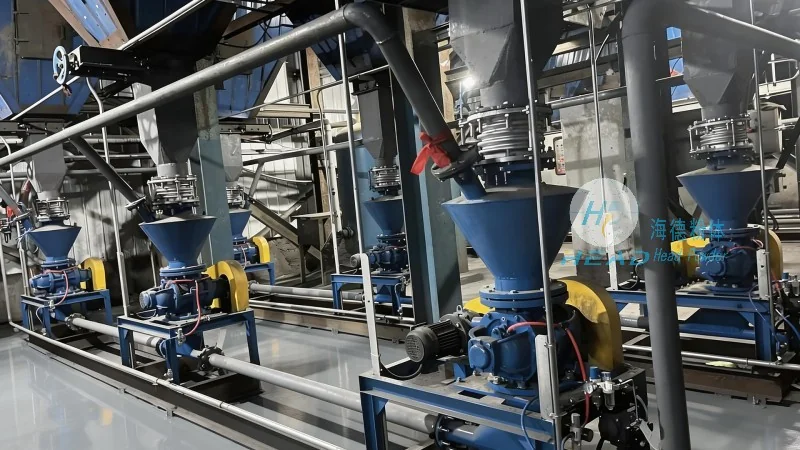
Comparison of Positive and Negative Pressure Modes for Coking Coal and Limestone Powder
When comparing positive and negative pressure pneumatic conveying systems for coking coal and limestone powder, several key factors must be considered. First, the material properties play a critical role. Coking coal is typically a coarse to medium-sized particle with a relatively high density, while limestone powder is a fine, light particle. Positive pressure systems are better suited for handling coarse materials due to their ability to maintain consistent flow and prevent clogging. Negative pressure systems, on the other hand, are more effective for fine powders as they can draw material from the source without the need for high pressure, reducing the risk of particle degradation. Second, the conveying distance and capacity are important considerations. Positive pressure systems are ideal for long-distance or high-capacity applications, as they can maintain a steady flow over extended distances. Negative pressure systems are more suitable for short-distance or low-capacity applications, where the energy savings from lower pressure operation outweigh the potential for clogging. Third, the operational costs and maintenance requirements must be evaluated. Positive pressure systems generally have higher energy consumption due to the continuous operation of the blower, but they require less maintenance as there is no vacuum pump to service. Negative pressure systems have lower energy consumption but require more frequent maintenance to prevent clogging and air leaks. Finally, the plant layout and safety considerations are crucial. Positive pressure systems may require additional safety measures to prevent dust emissions and explosions, while negative pressure systems may need to be equipped with explosion-proof components to handle potentially hazardous materials.
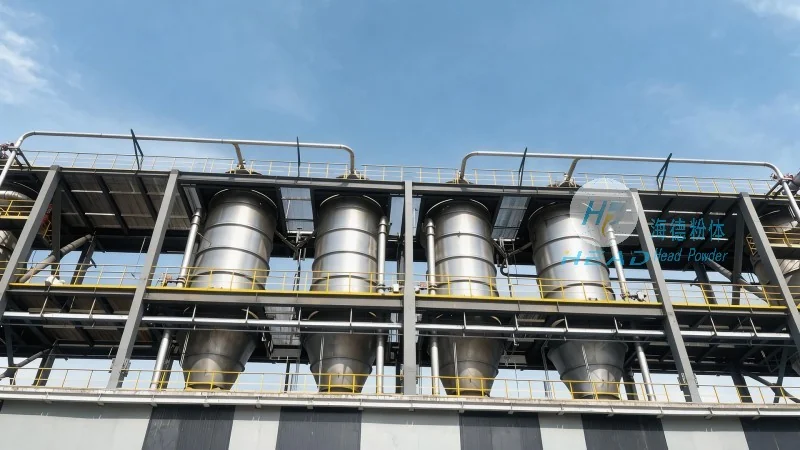
Application Examples and Case Studies
HeadPowder has extensive experience in designing and implementing pneumatic conveying systems for coking coal and limestone powder in various industrial settings. For example, a steel plant in Shandong, China, required a system to transport coking coal from a storage silo to a blast furnace over a distance of 500 meters. The plant chose a positive pressure system due to the long distance and high capacity requirements. The system was designed with a high-efficiency blower, a large hopper, and a discharge valve, and it successfully handled the abrasive coking coal without any clogging or material degradation. The system operated at a pressure of 0.8 bar, consuming approximately 150 kW of power, and achieved a conveying capacity of 100 tons per hour. Another application involved a cement plant that needed to transport limestone powder from a quarry to a grinding mill over a distance of 200 meters. The plant opted for a negative pressure system due to the short distance and fine particle size of the limestone. The system was equipped with a vacuum pump, a hopper, and a discharge valve, and it effectively conveyed the limestone powder without any clogging or degradation. The system operated at a vacuum level of 0.5 bar, consuming approximately 80 kW of power, and achieved a conveying capacity of 50 tons per hour. These case studies demonstrate the effectiveness of both positive and negative pressure systems in handling coking coal and limestone powder, depending on the specific application requirements.
Conclusion and Recommendations
In conclusion, the choice between positive and negative pressure pneumatic conveying systems for coking coal and limestone powder depends on a combination of factors, including material properties, conveying distance, capacity requirements, operational costs, and safety considerations. Positive pressure systems are generally more suitable for long-distance or high-capacity applications, while negative pressure systems are better for short-distance or low-capacity applications. However, both modes can be effective when properly designed and maintained. HeadPowder, with its expertise in material handling engineering, offers customized solutions for pneumatic conveying systems that meet the specific needs of industrial clients. By carefully evaluating the technical and operational aspects of each system, industrial facilities can select the most appropriate pneumatic conveying mode to ensure efficient, cost-effective, and safe material transport for coking coal and limestone powder.




