For pharmaceutical manufacturers, the efficient and safe handling of powdered medicines is a critical operational challenge. Pneumatic conveying systems have emerged as a sophisticated solution to address these needs, offering a reliable method for transporting bulk powders with precision and minimal risk. This analysis delves into the key aspects of such systems, highlighting their design, functionality, and applications within the pharmaceutical industry.
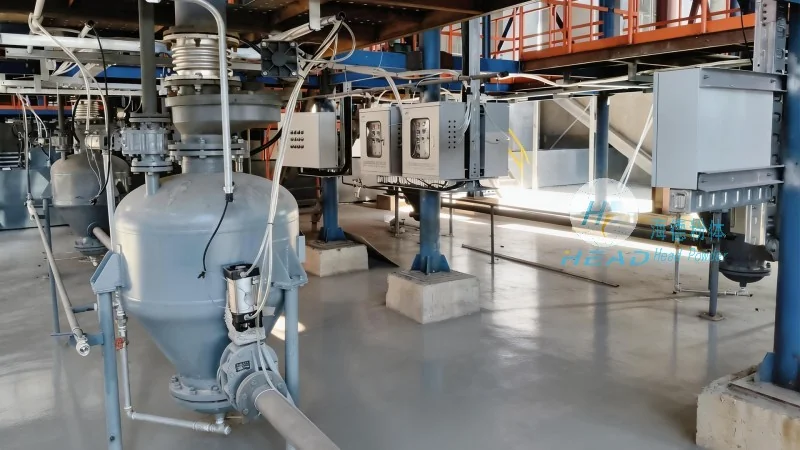
Pneumatic Conveying Systems: Core Principles and Types
Pneumatic conveying systems operate by using air or other gases to transport solid particles through a pipeline. The fundamental principle involves creating a pressure differential that propels the powder forward. There are primarily two types of pneumatic conveying systems: pressure and vacuum. Pressure systems use compressed air to push the material, while vacuum systems create a negative pressure to draw the powder. Each type has distinct advantages and is suited to different operational requirements, such as material properties, distance, and throughput. For instance, pressure systems are often preferred for short-distance, high-volume transport, whereas vacuum systems are more suitable for longer distances or when handling fine powders that may be prone to clogging.
Key Components of a Pneumatic Conveying System
The effectiveness of a pneumatic conveying system relies on several critical components. The hopper or feeder is the initial stage, responsible for storing and feeding the powder into the system. This component must be designed to handle the specific characteristics of the powdered medicine, such as bulk density and flowability. The feeder may include mechanisms like rotary valves or screw conveyors to ensure a consistent flow rate. The conveyor line, typically made of stainless steel or other corrosion-resistant materials, transports the powder through the system. The design of the pipeline, including bends and elbows, is crucial to minimize pressure loss and prevent material buildup. Control valves, such as airlocks and check valves, regulate the air flow and pressure, ensuring smooth operation and preventing backflow. Filters and cyclones are essential for maintaining air quality and capturing any dust particles, which is vital for maintaining a clean and safe environment in pharmaceutical facilities.
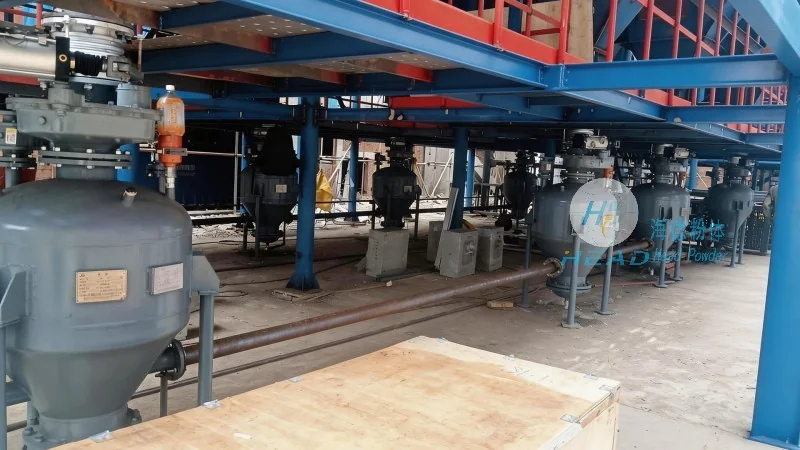
Advantages of Pneumatic Conveying for Pharmaceutical Applications
Implementing pneumatic conveying systems in pharmaceutical manufacturing offers numerous benefits. Firstly, they provide a closed system, which is crucial for maintaining product integrity and preventing contamination from external sources. This is particularly important for sterile or sensitive medications, as it minimizes exposure to air, moisture, and other contaminants. Secondly, these systems enhance operational efficiency by reducing handling time and labor costs. They also minimize product degradation due to reduced exposure to air and light. Furthermore, pneumatic conveying can handle a wide range of powder properties, making it versatile for various pharmaceutical formulations, including powders with different particle sizes, moisture content, and flow characteristics.
Design Considerations and Customization
The successful implementation of a pneumatic conveying system requires careful consideration of several design factors. Material selection is paramount, as components must be compatible with the pharmaceutical environment and resistant to corrosion or contamination. For instance, stainless steel is commonly used due to its hygienic properties and durability. Additionally, the system must be designed to meet regulatory standards, such as those from the FDA or GMP (Good Manufacturing Practice). Customization is often necessary to accommodate specific product requirements, including variations in particle size distribution, flow rates, and system length. Advanced systems may also incorporate sensors and monitoring tools to track performance and ensure compliance with quality control protocols.
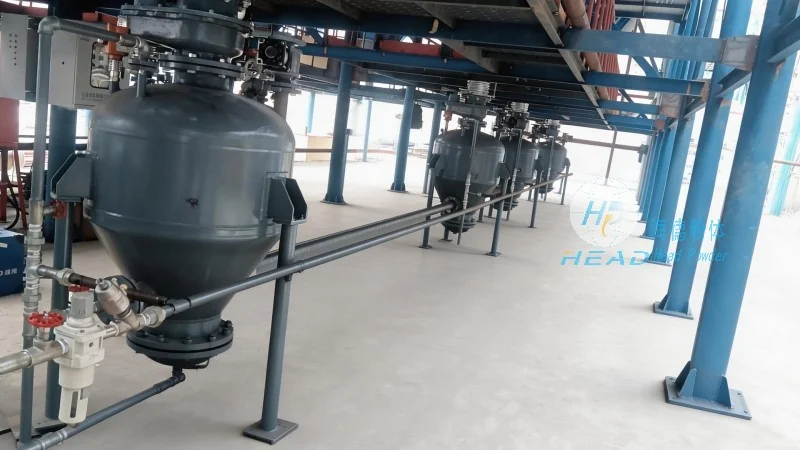
Applications in Pharmaceutical Manufacturing
Pneumatic conveying systems are widely used in various stages of pharmaceutical production. They are commonly employed for transporting raw materials from storage to processing units, as well as for moving finished products to packaging lines. In addition, these systems are integral to processes like blending, mixing, and filling, where precise powder handling is essential. The ability to handle different powder types and maintain consistent flow rates makes pneumatic conveying a preferred choice for manufacturers seeking to optimize their production lines. For example, in the production of tablets or capsules, pneumatic conveying can efficiently transport raw excipients and active pharmaceutical ingredients (APIs) to the blending equipment, ensuring uniform mixing and consistent product quality.
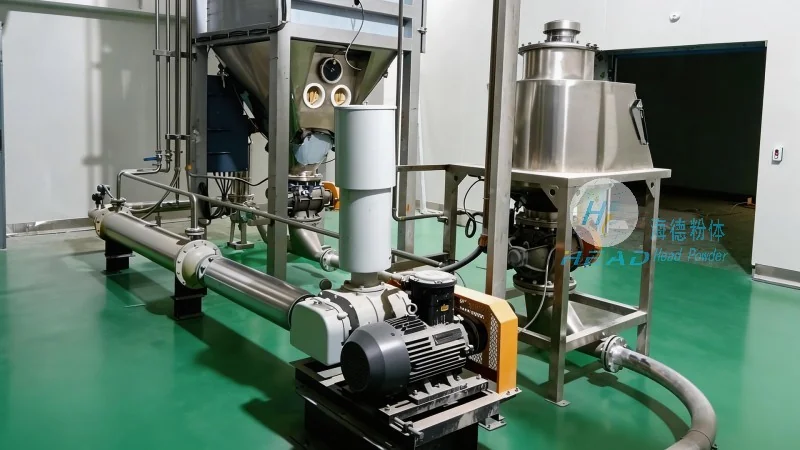
Case Study: Shandong HeadPowder Engineering Co., Ltd.
Shandong HeadPowder Engineering Co., Ltd., a leading provider of pneumatic conveying solutions, specializes in designing and manufacturing systems tailored to the pharmaceutical industry. With a focus on innovation and adherence to industry standards, the company has developed advanced systems that address the unique challenges of handling powdered medicines. Their expertise in material handling and system integration ensures that clients receive customized solutions that enhance efficiency and safety. By leveraging cutting-edge technology and rigorous quality control, HeadPowder has established itself as a trusted partner in the pharmaceutical sector. The company’s solutions are designed to meet the stringent requirements of GMP and FDA regulations, providing reliable performance in sterile and non-sterile environments. HeadPowder’s team of engineers works closely with clients to understand their specific needs, from initial system design to post-installation support, ensuring that the final solution aligns with operational goals and regulatory compliance.
Conclusion and Future Trends
Pneumatic conveying systems represent a vital advancement in the handling of powdered medicines, offering a reliable and efficient method for pharmaceutical manufacturers. As the industry continues to evolve, the demand for advanced material handling solutions will remain high. Future trends may include the integration of automation and IoT technologies to enhance system monitoring and control. However, the core principles of pneumatic conveying—efficiency, safety, and precision—will continue to be central to its application in pharmaceutical manufacturing. For companies like Shandong HeadPowder Engineering Co., Ltd., the focus remains on delivering solutions that meet the evolving needs of the pharmaceutical industry while upholding the highest standards of quality and compliance. By combining technical expertise with a customer-centric approach, HeadPowder continues to play a key role in advancing the capabilities of pharmaceutical material handling systems.




