When it comes to transporting polyethylene pellets, especially in industrial settings, the efficiency and reliability of the conveying system are critical factors that can significantly impact production workflows and operational costs. Pneumatic conveying, a method that utilizes air flow to move bulk materials like polyethylene pellets, has emerged as a preferred solution for many industries due to its ability to handle delicate materials while minimizing product degradation and contamination. In this context, understanding the nuances of polyethylene pellet pneumatic conveying becomes essential for optimizing material handling processes.
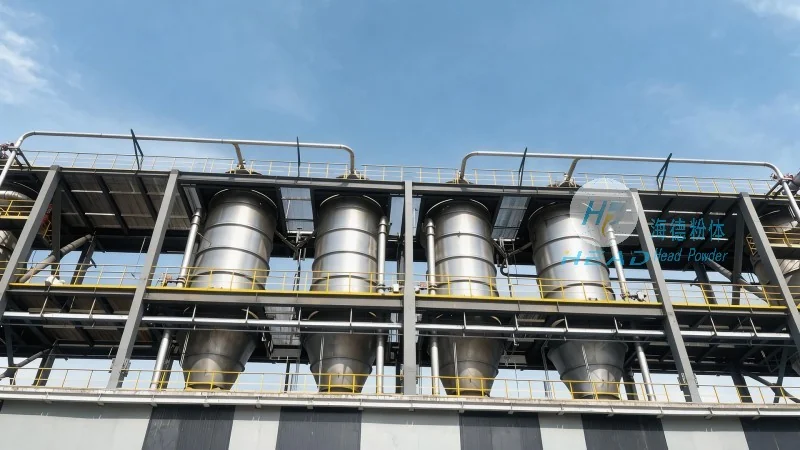
Polyethylene Pellets: Characteristics and Handling Challenges
Polyethylene pellets are widely used in manufacturing processes for plastics, packaging, and other applications. These small, spherical or cylindrical particles are typically produced through the polymerization of ethylene and are known for their lightweight, low moisture content, and resistance to chemical and environmental factors. However, their small size and tendency to create dust or agglomerates can pose challenges during transportation. Traditional methods such as belt conveyors or bucket elevators may not be suitable for polyethylene pellets as they can cause abrasion, static electricity buildup, or material degradation. This is where pneumatic conveying systems offer a superior alternative by providing a closed, controlled environment that protects the pellets from external contaminants and maintains their integrity throughout the conveying process.
HeadPowder's Pneumatic Conveying Solutions for Polyethylene Pellets
Shandong HeadPowder Engineering Co., Ltd., a leading provider of bulk material handling solutions, specializes in designing and manufacturing advanced pneumatic conveying systems tailored to the unique needs of polyethylene pellet transportation. With years of experience in the industry, HeadPowder has developed innovative technologies that address the specific challenges associated with polyethylene pellets, ensuring efficient, safe, and cost-effective material handling. The company's solutions are engineered to handle various types of polyethylene pellets, including low-density and high-density grades, while maintaining high conveying efficiency and minimizing energy consumption.
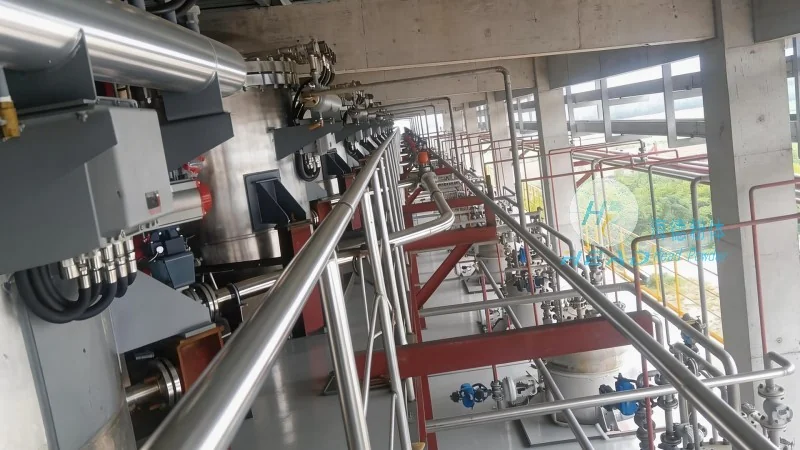
Key Features of HeadPowder's Pneumatic Conveying Systems
HeadPowder's pneumatic conveying systems for polyethylene pellets are equipped with several key features that enhance performance and reliability. These include:
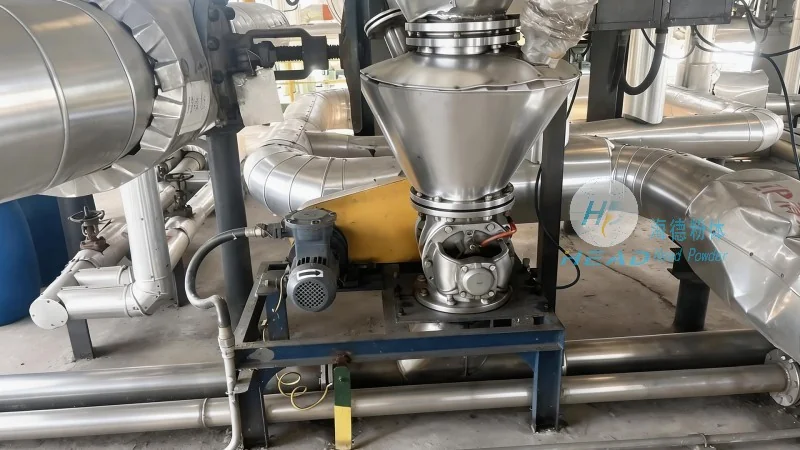
- Advanced Air Flow Control: Precise control of air velocity and pressure ensures optimal material transport without causing excessive wear or degradation to the pellets.
- Specialized Hopper and Feeder Design: Custom-designed hoppers and feeders are used to handle polyethylene pellets efficiently, preventing blockages and ensuring consistent material flow.
- Corrosion-Resistant Materials: Components such as pipes, valves, and filters are constructed from materials resistant to the chemical properties of polyethylene and its byproducts, ensuring long-term durability.
- Integrated Dust Control: Advanced filtration systems are incorporated to capture and remove any dust or fine particles, maintaining a clean and safe working environment.
- Energy-Efficient Design: Optimized system configurations reduce energy consumption while maintaining high conveying rates, contributing to lower operational costs.
Benefits of Using HeadPowder's Pneumatic Conveying for Polyethylene Pellets
Implementing HeadPowder's pneumatic conveying solutions for polyethylene pellets offers numerous benefits to industrial operations. These include:
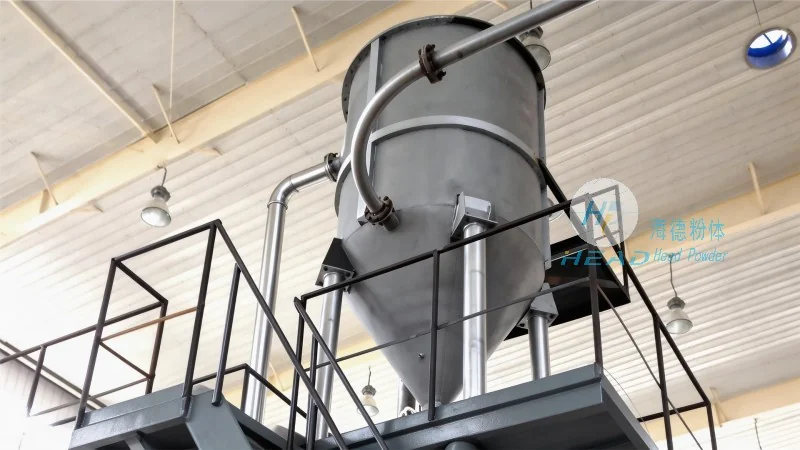
- Improved Product Quality: The closed system prevents contamination from external sources, ensuring that the polyethylene pellets remain clean and free from dust or debris.
- Enhanced Safety: By eliminating the need for manual handling of bulk materials, the risk of accidents and exposure to dust is significantly reduced.
- Increased Efficiency: High conveying speeds and consistent material flow improve production throughput and reduce downtime.
- Cost Savings: Reduced maintenance costs due to corrosion-resistant components and energy-efficient operation, coupled with lower labor costs from automated systems.
- Flexibility and Scalability: The systems can be customized to fit various production scales and can be easily expanded or modified to accommodate changing production needs.
Application Examples and Case Studies
HeadPowder's pneumatic conveying systems have been successfully implemented in a wide range of applications involving polyethylene pellets. For instance, in a plastic manufacturing plant, the company's system was installed to transport polyethylene pellets from storage silos to processing machines, achieving a 30% increase in production efficiency and a 20% reduction in material handling costs. Another case involved a packaging facility where the system was used to convey polyethylene pellets to molding equipment, improving product quality and reducing waste.
Conclusion and Contact Information
Efficient transportation of polyethylene pellets is crucial for maintaining smooth industrial operations, and HeadPowder's pneumatic conveying solutions provide a reliable and effective solution. By leveraging advanced technology and a deep understanding of material handling needs, HeadPowder ensures that polyethylene pellets are transported safely, efficiently, and with minimal impact on product quality. For businesses seeking to optimize their polyethylene pellet handling processes, HeadPowder offers tailored solutions that meet the highest standards of performance and reliability.




