Efficient and reliable transportation of paddy grain is a critical aspect of modern agricultural processing. Pneumatic conveying technology offers a versatile solution for moving bulk materials like paddy grains, and understanding the different modes—positive pressure and negative pressure—is essential for optimizing operations. This article provides a detailed analysis of these two primary pneumatic conveying modes, focusing on their principles, applications, and key considerations.
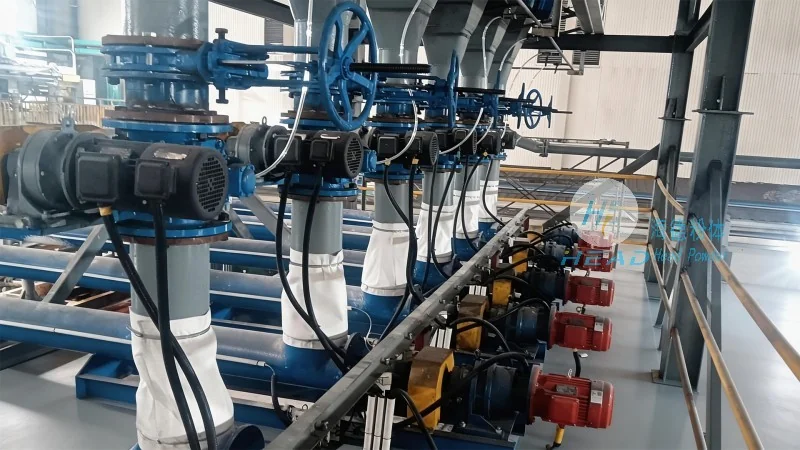
HeadPowder Engineering Co., Ltd., a leading provider of engineering solutions in Shandong, China, specializes in the design, manufacturing, and implementation of advanced pneumatic conveying systems. With a strong commitment to innovation and quality, HeadPowder has been at the forefront of developing technologies tailored to the specific needs of the agricultural sector, particularly in paddy grain handling.
Positive Pressure Conveying Mode
Positive pressure conveying, also known as pressure pneumatic conveying, operates by generating air pressure within the conveying system to move material. In this mode, air is compressed and forced through the pipeline, carrying the paddy grain particles along with it. The system typically includes a blower or compressor at the inlet, which supplies the necessary pressure to propel the material. This approach is particularly effective for conveying materials over longer distances or through complex networked pipelines, as the positive pressure ensures consistent flow and prevents material settling in the lines.
Key advantages of positive pressure systems include high conveying capacity, the ability to handle abrasive materials without excessive wear, and the flexibility to integrate with existing infrastructure. However, they may require more robust equipment and higher energy consumption compared to negative pressure systems, especially when dealing with fine or light particles like paddy grains.
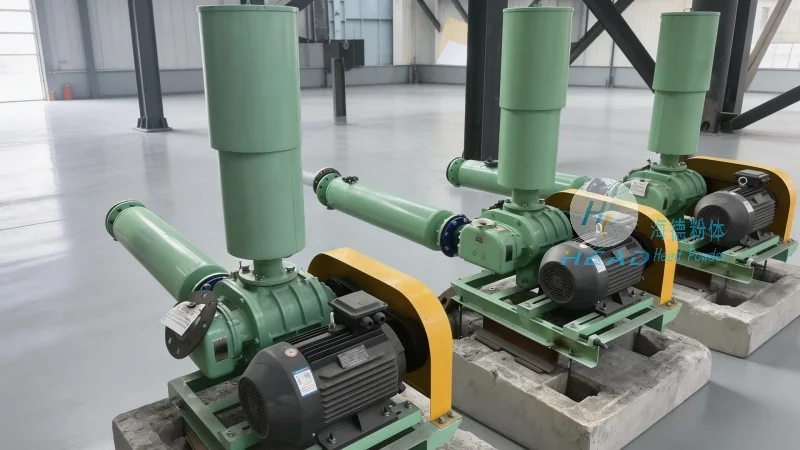
Negative Pressure Conveying Mode
Negative pressure conveying, or vacuum pneumatic conveying, works by creating a vacuum at the inlet of the system, drawing material into the pipeline. The vacuum is generated by a fan or ejector, which pulls air and material from the source and transports it to the destination. This mode is often preferred for short-distance conveying or when the material needs to be collected from multiple points, as the vacuum can effectively capture and transport particles without the need for high-pressure air.
Advantages of negative pressure systems include lower energy consumption, reduced noise levels, and the ability to handle sensitive materials that might be damaged by high-pressure air. However, they may have limitations in terms of conveying distance and capacity, as the vacuum strength diminishes over longer distances, potentially leading to material blockages or reduced efficiency.
Comparison of Positive and Negative Pressure Modes
When selecting between positive and negative pressure conveying for paddy grain handling, several factors must be considered. The primary differences lie in the system's energy requirements, material handling capabilities, and operational flexibility. Positive pressure systems are generally more suitable for long-distance or high-capacity applications, while negative pressure systems excel in short-distance or low-volume operations, especially where noise and energy efficiency are critical.
From an operational perspective, positive pressure systems require regular maintenance of the compressor and pipeline, as high-pressure air can cause wear and tear over time. Negative pressure systems, on the other hand, rely on vacuum equipment that may need less frequent maintenance but can be more susceptible to clogging from fine particles. The choice also depends on the specific characteristics of the paddy grain, such as moisture content, size, and density, as these factors influence the optimal conveying mode.
Practical Applications and Considerations for Paddy Grain Handling
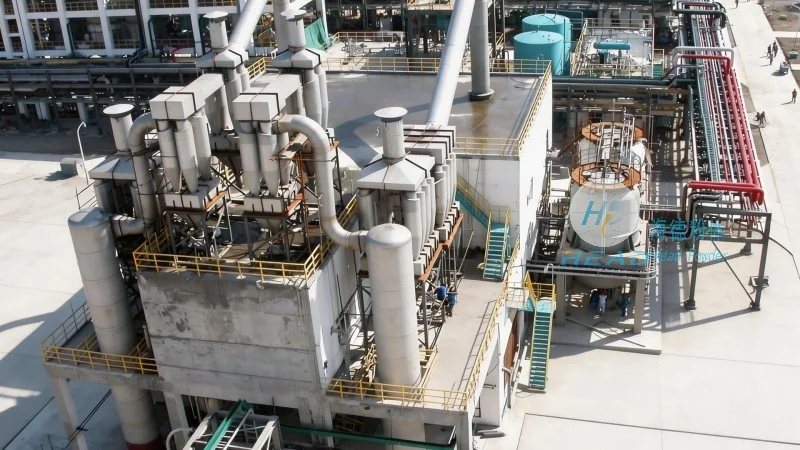
For paddy grain processing facilities, the choice of pneumatic conveying mode impacts overall efficiency and cost-effectiveness. Positive pressure systems are commonly used in large-scale operations where high throughput is required, such as in grain elevators or processing plants that need to transport large volumes of paddy over significant distances. Negative pressure systems are often employed in smaller-scale operations or for handling materials that require gentle transport, like paddy with high moisture content or delicate husks.
Another critical consideration is the impact of the conveying mode on the grain's quality. High-pressure air in positive pressure systems can cause abrasion or breakage of the paddy grains, potentially reducing their market value. Negative pressure systems, with their lower air speeds, minimize such damage, making them preferable for preserving the grain's integrity. Additionally, the environmental impact, including noise pollution and energy consumption, plays a role in the decision-making process, with negative pressure systems generally offering a more environmentally friendly option.
About HeadPowder Engineering Co., Ltd.
HeadPowder Engineering Co., Ltd. is dedicated to providing customized pneumatic conveying solutions tailored to the unique challenges of paddy grain handling. With years of experience in the industry, the company leverages advanced engineering and technical expertise to design systems that meet the specific requirements of agricultural processing facilities. HeadPowder's commitment to quality and innovation ensures that their products not only enhance operational efficiency but also contribute to sustainable and cost-effective grain handling practices. Based in Shandong, China, HeadPowder serves clients globally, offering comprehensive support from system design to installation and maintenance.




