Efficient material handling is a critical concern for industries dealing with powdered substances, particularly in applications involving stabilizer powders. Traditional methods like belt conveyors or manual handling often present challenges such as dust generation, material degradation, and operational inefficiencies. Pneumatic conveying offers a modern solution to these issues, enabling the safe and effective transport of fine powders like stabilizers through the use of air pressure. This article explores the principles and benefits of pneumatic conveying systems specifically designed for stabilizer powders, highlighting how they enhance operational efficiency and product integrity.
Understanding Pneumatic Conveying Systems
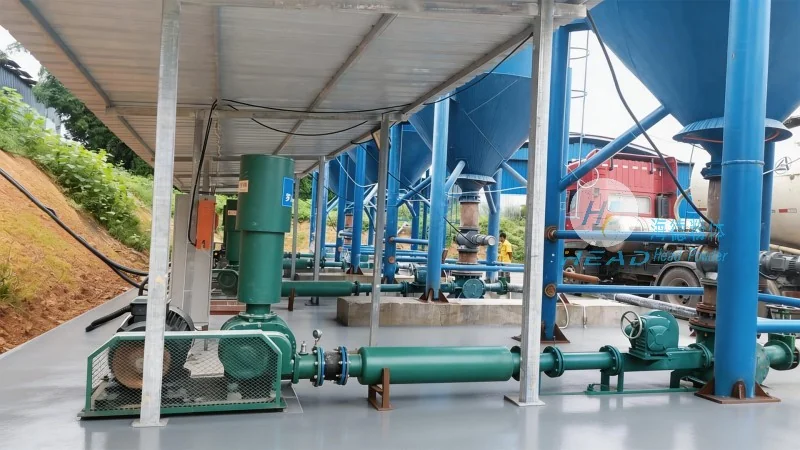
Pneumatic conveying systems utilize compressed air or gas to move bulk materials through a pipeline. In the case of stabilizer powders, these systems are engineered to handle materials with specific characteristics, such as low bulk density, high dustiness, and sensitivity to moisture or contamination. The core components of a typical pneumatic conveying system include a hopper for material storage, a conveyor line (often with bends and filters), and a receiver for the discharged material. The system operates by creating a pressure differential, either by suction (negative pressure) or pressure (positive pressure), to draw or push the powder through the pipeline. This method allows for continuous, closed-loop transport, minimizing exposure to the environment and reducing the risk of product contamination.
The Advantages of Pneumatic Conveying for Stabilizer Powders
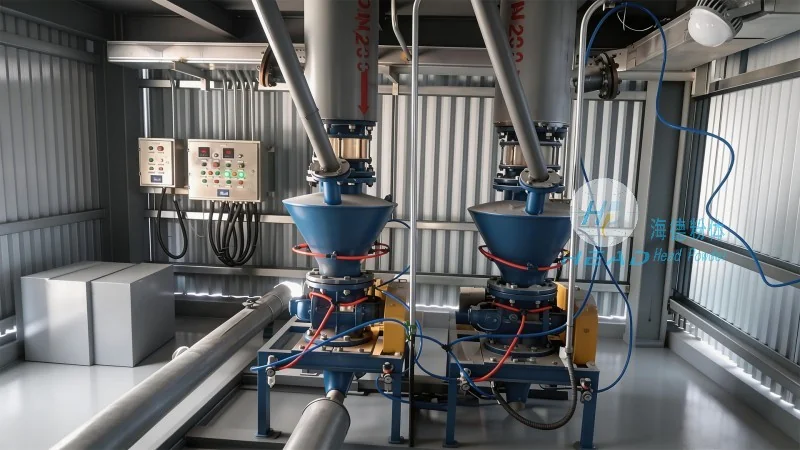
Compared to traditional conveying methods, pneumatic conveying provides several key advantages for stabilizer powders. First, it offers a dust-free operation, which is crucial for maintaining product quality and ensuring workplace safety. The enclosed system prevents dust from escaping into the environment, reducing the risk of inhalation hazards and product loss. Second, pneumatic conveying minimizes material degradation by reducing friction and impact during transport. Unlike mechanical conveyors that may cause attrition or compaction, air-based systems gently move the powder, preserving its physical properties and reactivity. Third, the technology enables precise control over flow rates and material distribution, allowing for accurate dosing in downstream processes. This precision is vital in applications where stabilizer powders are used as additives in manufacturing, as it ensures consistent product quality and process efficiency. Additionally, pneumatic conveying systems are adaptable to various plant layouts, with flexible pipeline configurations that can accommodate complex production environments.
Key Considerations for Implementing Pneumatic Conveying
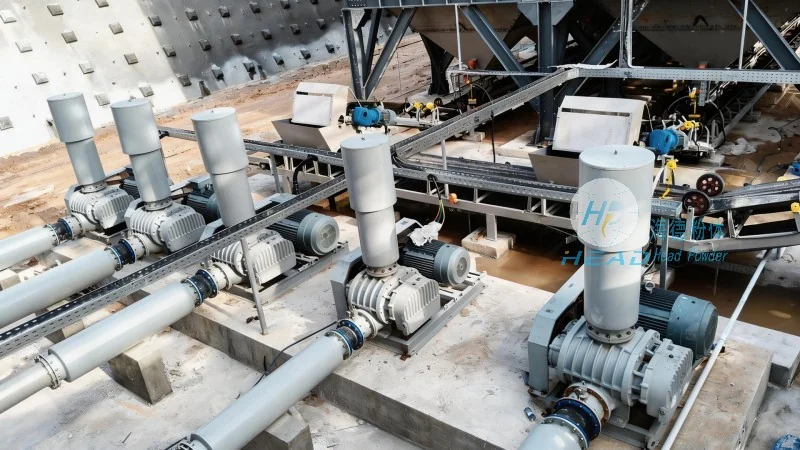
When selecting a pneumatic conveying system for stabilizer powders, several factors must be considered to ensure optimal performance. Material properties, such as particle size, moisture content, and flowability, are critical in determining the appropriate system design. For example, cohesive or fine powders may require a pressure system with higher air pressure to maintain flow, while free-flowing materials can be handled with suction systems. The system's capacity and scalability are also important, as the conveyor must match the production volume and future growth plans of the facility. Maintenance and operational costs are another consideration, as pneumatic systems typically require regular filter cleaning and air compressor maintenance to ensure long-term reliability. Furthermore, the system's integration with existing production lines must be carefully planned to avoid disruptions and ensure seamless operation. By addressing these factors, industries can select a pneumatic conveying solution that meets their specific needs and delivers long-term benefits.
Case Study: HeadPowder's Pneumatic Conveying Solutions
Shandong HeadPowder Engineering Co., Ltd., a leading provider of material handling solutions, specializes in designing and manufacturing pneumatic conveying systems tailored to the needs of industries using stabilizer powders. With years of experience in the field, HeadPowder has developed advanced systems that address the unique challenges of transporting fine powders. The company's solutions incorporate high-quality components, such as stainless steel pipelines and advanced filtration systems, to ensure durability and product purity. HeadPowder's team of engineers works closely with clients to understand their operational requirements and provide customized solutions that enhance efficiency and reduce costs. For example, a client in the pharmaceutical industry implemented a pneumatic conveying system for stabilizer powders, resulting in a 30% reduction in dust emissions and a 20% increase in production throughput. This success highlights the effectiveness of pneumatic conveying in improving operational performance and product quality. HeadPowder's commitment to innovation and customer satisfaction has made it a trusted partner for businesses seeking reliable material handling solutions.
Conclusion and Future Outlook
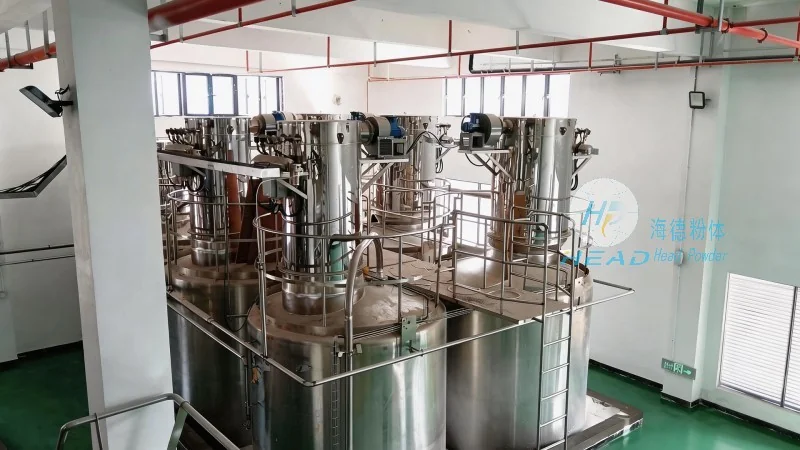
Pneumatic conveying represents a significant advancement in the handling of stabilizer powders, offering a safe, efficient, and cost-effective alternative to traditional methods. By leveraging compressed air to transport materials through enclosed pipelines, these systems minimize dust, preserve product integrity, and enable precise control over flow rates. For industries relying on stabilizer powders in their production processes, investing in a well-designed pneumatic conveying system can lead to substantial improvements in operational efficiency and product quality. As technology continues to evolve, pneumatic conveying systems are expected to become even more sophisticated, with features such as automated control and real-time monitoring to further enhance performance. The adoption of these systems not only addresses current material handling challenges but also positions businesses for long-term success in an increasingly competitive market. With the expertise of companies like Shandong HeadPowder Engineering Co., Ltd., industries can access reliable and effective solutions that meet their specific needs and drive growth.




