Rice husk, a byproduct of rice milling, is a valuable raw material used in various industries such as biofuel production, animal feed, and chemical manufacturing. Efficient and reliable material handling is crucial for optimizing the processing workflow. Pneumatic conveying technology offers a solution by transporting rice husk through a pipeline using air pressure. This article provides a comprehensive overview of negative pressure and positive pressure pneumatic conveying systems, focusing on their applications, advantages, and practical considerations for rice husk processing.
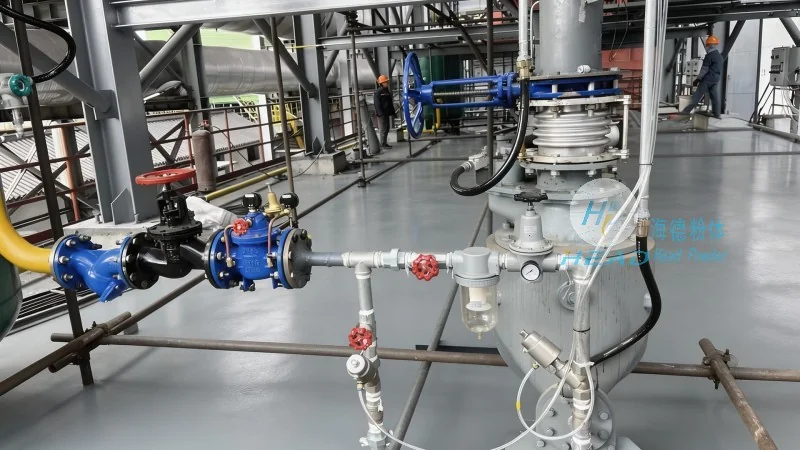
Understanding Negative Pressure Pneumatic Conveying
Negative pressure, or vacuum, pneumatic conveying systems operate by creating a vacuum in the conveying line to draw material from the source to the destination. This method is particularly suitable for applications where the material needs to be transported over relatively short distances or where the material is light and has a low dust generation rate. For rice husk, negative pressure systems are often used in scenarios where the material is collected from a hopper or silo and needs to be moved to a processing unit or storage area. The system typically includes a vacuum pump, a filter, and a conveying line. The vacuum pump creates the pressure differential, drawing the rice husk particles along with air into the pipeline. The filter then separates the air from the material, allowing the rice husk to be discharged at the receiving end. A key advantage of negative pressure systems is their ability to handle materials with a higher moisture content or those that are more prone to dust generation, as the vacuum helps in controlling the material flow and reducing dust emissions. However, these systems may require more maintenance due to the continuous operation of the vacuum pump and the need for regular filter cleaning. The efficiency of negative pressure systems can also be affected by the distance and the number of bends in the pipeline, as the pressure drop increases with longer or more complex layouts.
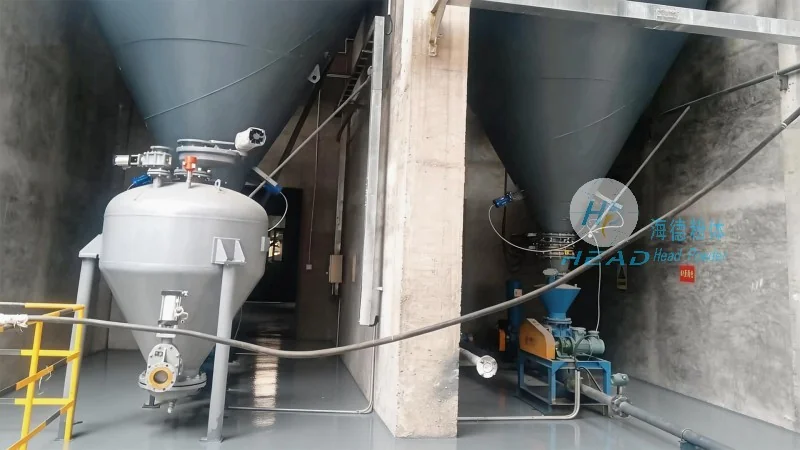
Exploring Positive Pressure Pneumatic Conveying
Positive pressure, or pressure, pneumatic conveying systems work by blowing air or a mixture of air and material through the pipeline, pushing the material from the source to the destination. This method is ideal for transporting rice husk over longer distances or when the material is heavy and has a high dust generation rate. Positive pressure systems are commonly used in large-scale rice husk processing facilities where the material needs to be moved from a storage silo to a processing plant or between different processing stages. The system consists of a blower, a hopper, and a conveying line. The blower supplies compressed air, which is mixed with the rice husk in the hopper, and then forced through the pipeline to the receiving point. The material is then separated from the air using a cyclone or a filter at the end of the line. Positive pressure systems offer several benefits, including higher conveying capacities and the ability to handle materials with higher moisture content or larger particle sizes. They are also less prone to clogging compared to negative pressure systems, as the air flow continuously moves the material through the pipeline. However, these systems may require more energy due to the operation of the blower and the need for air filtration to prevent dust accumulation in the system. The design of positive pressure systems must consider the pressure requirements and the material's properties to ensure efficient and reliable operation.
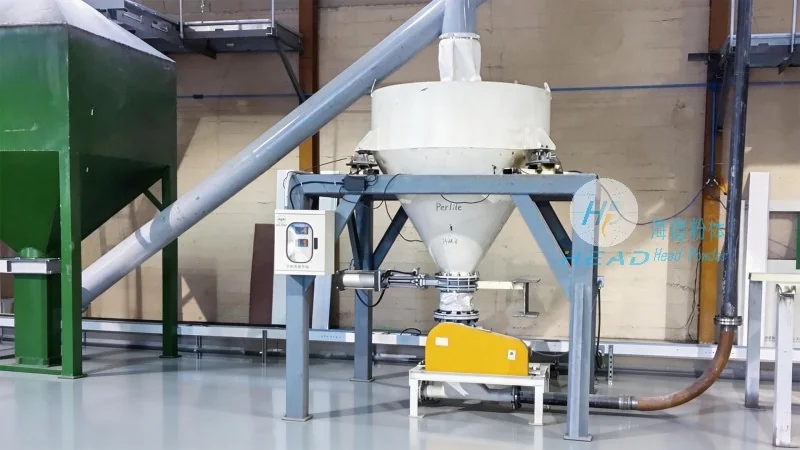
Key Considerations for Choosing the Right Pneumatic Conveying System
When selecting a pneumatic conveying system for rice husk processing, several factors need to be considered to ensure optimal performance and cost-effectiveness. The first consideration is the distance and layout of the conveying line. Short distances and simple layouts are often suitable for negative pressure systems, while longer distances or complex layouts may require positive pressure systems. The second factor is the material properties, including the particle size, moisture content, and dust generation rate. Rice husk, with its light weight and high dust potential, may benefit from negative pressure systems for shorter distances or when the material is collected from a hopper. However, for longer distances or when the material needs to be transported to a processing unit, positive pressure systems may be more appropriate. The third consideration is the capacity and throughput requirements. Large-scale processing facilities may require higher conveying capacities, which can be achieved with positive pressure systems. The fourth factor is the cost and maintenance. Negative pressure systems may have lower initial costs but higher maintenance due to the vacuum pump and filter. Positive pressure systems may have higher initial costs but lower maintenance due to the blower and simpler filtration. The fifth consideration is the environmental impact. Both systems can help reduce dust emissions compared to traditional methods such as bucket elevators or belt conveyors, but positive pressure systems may generate more noise due to the blower operation. Ultimately, the choice between negative and positive pressure systems depends on the specific application requirements and the trade-offs between cost, efficiency, and maintenance.
Applications of Pneumatic Conveying in Rice Husk Processing
Pneumatic conveying systems are widely used in various stages of rice husk processing. In the initial collection stage, negative pressure systems are often used to transport rice husk from the field or storage silo to a processing plant. The material is collected from a hopper or silo and drawn into the pipeline using a vacuum pump. The rice husk is then transported to a storage area or a processing unit. In the processing stage, positive pressure systems are commonly used to move rice husk between different processing stages, such as from a grinding unit to a drying unit or from a drying unit to a pelletizing unit. The material is forced through the pipeline using a blower, ensuring a consistent flow and preventing clogging. In the final storage or transportation stage, both negative and positive pressure systems can be used to transport rice husk to the end user or to a storage facility. The choice of system depends on the distance and the material's properties. For example, if the rice husk needs to be transported over a long distance to a biofuel plant, a positive pressure system may be more suitable due to its higher conveying capacity and ability to handle longer distances. Conversely, if the rice husk is being transported from a small storage silo to a nearby processing unit, a negative pressure system may be more efficient and cost-effective.
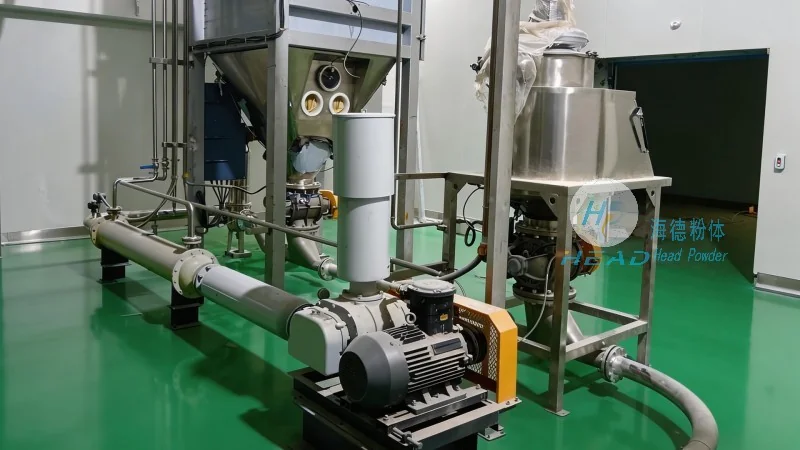
Advantages and Challenges of Pneumatic Conveying for Rice Husk
Pneumatic conveying offers several advantages for rice husk processing, including high efficiency, low labor costs, and reduced dust emissions compared to traditional methods such as bucket elevators or belt conveyors. The systems are also relatively compact and can be installed in tight spaces, making them suitable for facilities with limited floor space. However, there are also challenges associated with pneumatic conveying. One of the main challenges is the potential for material clogging, especially in positive pressure systems where the material may settle in the pipeline if the air flow is insufficient. This can be mitigated by using appropriate air flow rates and pipeline designs. Another challenge is the maintenance of the system components, such as the vacuum pump or blower, and the filters. Regular maintenance is required to ensure the system operates efficiently and to prevent downtime. The cost of the system components, such as the blower or vacuum pump, can also be a significant factor, especially for large-scale systems. Additionally, the energy consumption of the system needs to be considered, as both negative and positive pressure systems require energy to operate the pumps and blowers. Despite these challenges, pneumatic conveying remains a popular choice for rice husk processing due to its efficiency and ability to handle the material's properties effectively.




