White carbon black, a critical additive in various industrial applications including rubber, plastics, and coatings, requires efficient and reliable material handling solutions. Pneumatic conveying technology has emerged as a preferred method for transporting white carbon black due to its ability to handle fine powders with minimal dust and contamination. This article provides an in-depth analysis of the two primary pneumatic conveying modes—positive pressure and negative pressure systems—used for white carbon black transport, highlighting the technical differences, advantages, and practical considerations for each approach.
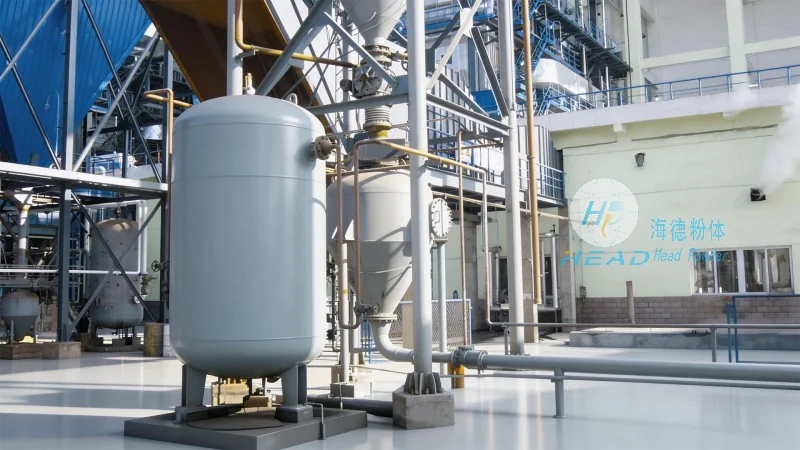
Introduction to Pneumatic Conveying for White Carbon Black
Pneumatic conveying systems utilize air or gas to transport bulk materials like white carbon black through a pipeline network. These systems are widely adopted in the chemical and material processing industries due to their flexibility, scalability, and ability to maintain material integrity during transport. The choice between positive and negative pressure modes depends on several factors, including the material's properties, the required transport distance, and the operational environment. Understanding the nuances of each system is essential for optimizing material handling processes and ensuring cost-effective operations.
Company Overview: HeadPowder
HeadPowder, operating as Shandong HeadPowder Engineering Co., Ltd., is a leading provider of specialized engineering solutions for material handling and processing. With a strong presence in China, particularly in Shandong, the company has built a reputation for delivering high-quality pneumatic conveying systems tailored to the unique needs of industrial clients. HeadPowder's expertise lies in designing and implementing efficient white carbon black handling solutions that enhance productivity while minimizing operational risks. The company's facilities and technical team are equipped to handle complex projects, ensuring that clients receive customized systems that meet their specific requirements.
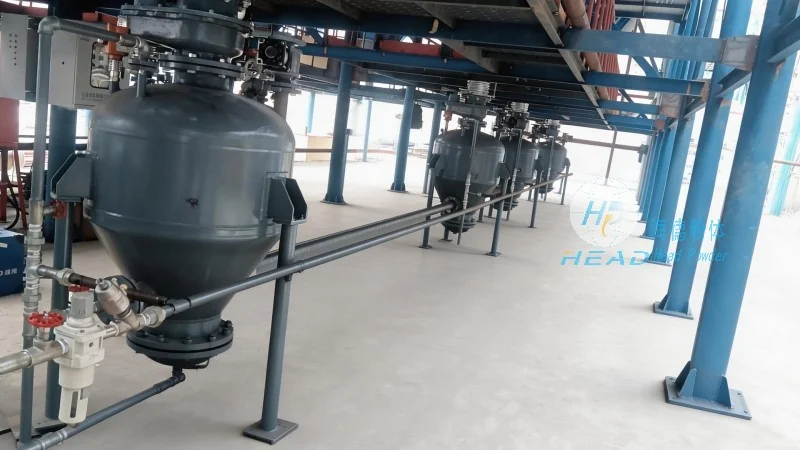
Positive Pressure vs. Negative Pressure Systems: Key Differences
Positive pressure conveying systems operate by blowing air or gas into the pipeline, creating a pressure higher than the ambient air pressure. This method forces the material to move through the system, making it suitable for high-capacity and long-distance transport. Conversely, negative pressure systems create a vacuum in the pipeline, drawing material into the system as air is pulled through. Negative pressure systems are often preferred for applications where dust control and low noise levels are critical. The fundamental difference lies in the direction of air flow and the pressure differential maintained within the system.
Technical Aspects of Positive Pressure Conveying
Positive pressure systems typically consist of a blower, a material feed hopper, a pipeline network, and a discharge unit. The blower generates the necessary air pressure to propel the white carbon black particles through the pipeline. Key technical parameters include the blower's capacity, the pipeline diameter, and the air velocity required to achieve efficient transport. Positive pressure systems are known for their high transport capacity, making them ideal for large-scale production lines. They are also capable of handling long distances, often up to several kilometers, without significant pressure loss. However, these systems may generate higher noise levels and require more robust equipment to withstand the higher pressure differentials.
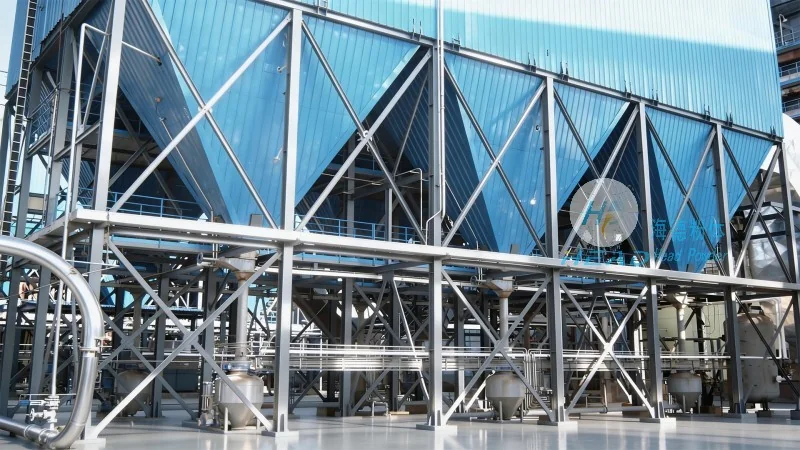
Technical Aspects of Negative Pressure Conveying
Negative pressure systems rely on a vacuum pump to create a low-pressure environment within the pipeline. The material is drawn into the system as air is pulled through the pipeline, carrying the white carbon black particles to the destination. The system components include a vacuum pump, a material inlet, a pipeline network, and a filter unit to capture any escaped particles. Negative pressure systems are particularly advantageous for applications involving sensitive or hazardous materials, as they minimize the risk of dust dispersion. They also operate at lower noise levels compared to positive pressure systems, making them suitable for environments where noise control is a priority. However, negative pressure systems may have lower transport capacities and are generally limited to shorter distances due to the limitations of vacuum technology.
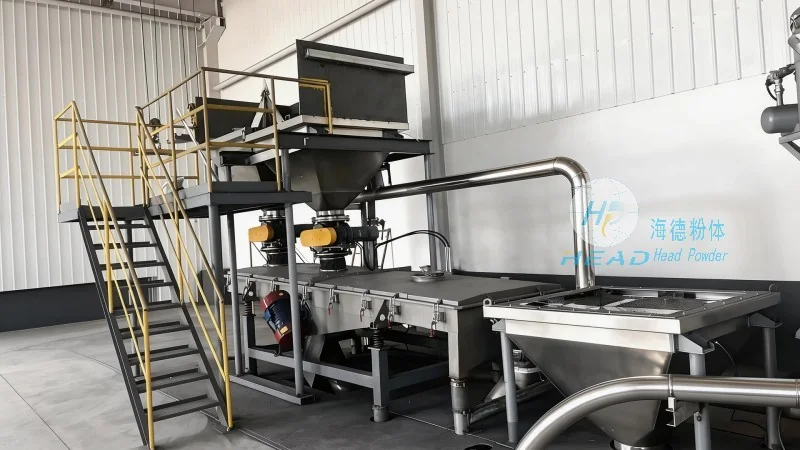
Practical Applications and Selection Criteria
The choice between positive and negative pressure systems for white carbon black transport depends on several practical factors. For instance, in rubber manufacturing plants where large quantities of white carbon black are needed for tire production, a positive pressure system may be preferred due to its high capacity and ability to handle long distances. In contrast, in pharmaceutical or food processing facilities where dust control and product purity are paramount, a negative pressure system might be more suitable. Other considerations include the material's particle size and density, as well as the presence of other contaminants that could affect system performance. HeadPowder's technical team evaluates these factors to recommend the most appropriate system for each client's specific needs, ensuring optimal performance and compliance with industry standards.
Conclusion and Customization Options
Both positive and negative pressure pneumatic conveying systems offer viable solutions for white carbon black transport, each with its own set of advantages and limitations. The key to selecting the right system lies in a thorough understanding of the material's characteristics and the operational requirements of the facility. HeadPowder, with its expertise in engineering and material handling, provides customized solutions that address these needs effectively. By leveraging advanced technology and a deep understanding of industrial processes, HeadPowder helps clients optimize their white carbon black handling operations, enhancing efficiency, reducing costs, and improving overall productivity. For businesses seeking reliable and efficient white carbon black transport solutions, HeadPowder stands as a trusted partner in delivering high-quality pneumatic conveying systems tailored to their unique requirements.




