HeadPowder, a leading manufacturer based in Shandong, China, specializes in the design and production of industrial pneumatic conveying systems tailored for handling alkali materials. These systems are engineered to efficiently transport bulk alkali substances, such as caustic soda, soda ash, and other similar chemical powders, from storage to processing units or packaging areas. The equipment is built to meet the rigorous demands of industrial applications, ensuring reliable and safe material handling while maintaining high operational efficiency.
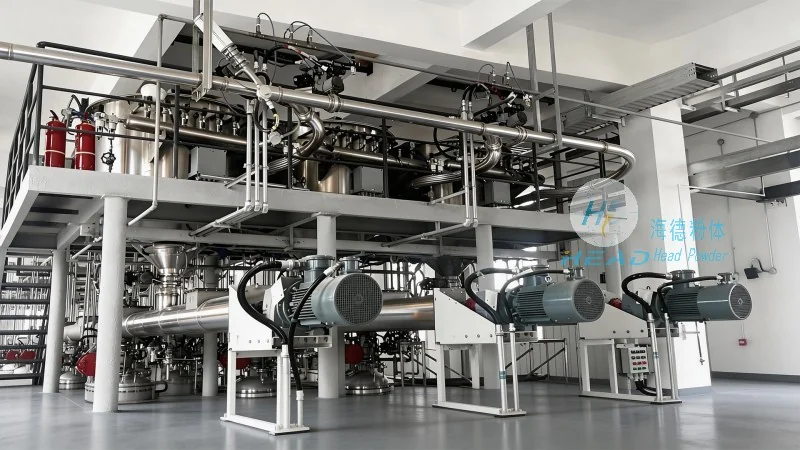
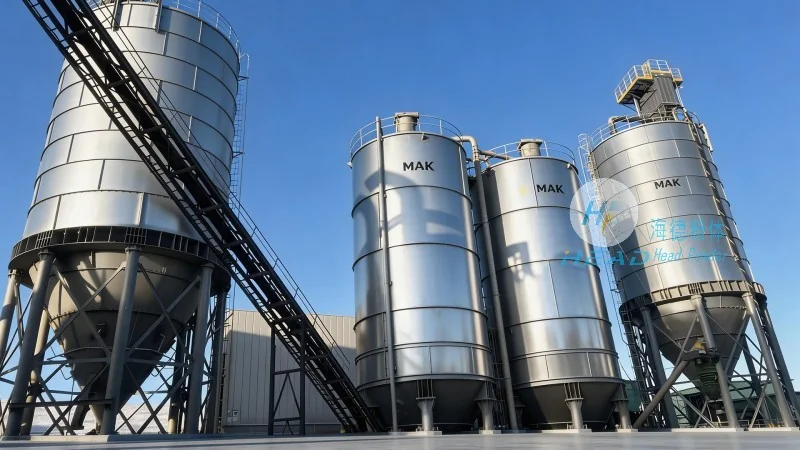
Pneumatic Conveying Systems for Alkali Materials
Our industrial alkali material pneumatic conveying machines are specifically designed to handle the unique properties of alkali substances, including their reactivity, moisture content, and flow characteristics. The systems utilize a combination of positive pressure or negative pressure (air-assisted) methods to transport the material through a network of pipes. Key components include a hopper for material feeding, a rotary valve or feeder to control the flow rate, a conveying line with appropriate pipe diameters and bends, and a receiver or discharge unit for material collection. The design ensures minimal product degradation, low maintenance requirements, and compliance with industrial safety standards.
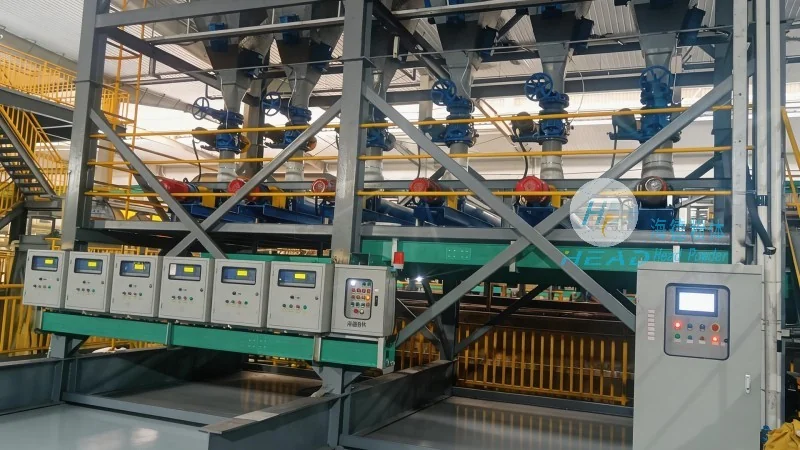
Operation Process of the Pneumatic Conveying System
The operation of the industrial alkali material pneumatic conveying machine typically follows a systematic sequence to ensure smooth and continuous material transport. First, the alkali material is loaded into the hopper, where it is stored and prepared for transfer. The rotary valve or feeder then regulates the material flow into the conveying line, controlling the quantity and rate of material being moved. Simultaneously, a blower or compressor generates the necessary air pressure or vacuum to create the airflow within the pipes. This airflow propels the alkali material particles through the system, moving them from the hopper to the discharge point. The receiver at the end of the line collects the material, which can then be transferred to the next processing stage. The system operates continuously, with the blower maintaining a consistent airflow to sustain the conveying process. Regular monitoring of pressure, flow rate, and material level ensures optimal performance and early detection of any operational issues.
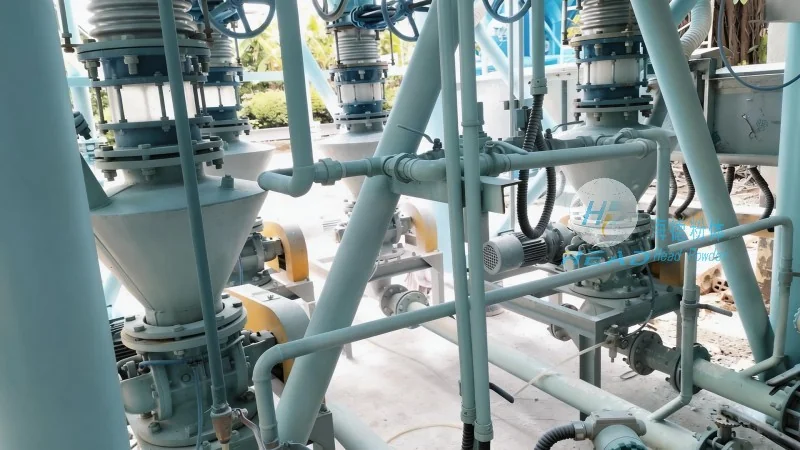
Working Principle of the Pneumatic Conveying Equipment
The core working principle of the industrial alkali material pneumatic conveying machine relies on the movement of air to transport solid particles. In positive pressure systems, a blower supplies compressed air into the conveying line, creating a pressure differential that pushes the material forward. The air and material mixture travels through the pipes, with the air providing the necessary force to overcome friction and gravity. In negative pressure (air-assisted) systems, a vacuum pump creates a low-pressure environment at the discharge end, drawing the material and air into the system. The material is then carried by the air stream, moving from the feeding point to the collection point. The design of the system, including the pipe layout, bends, and fittings, is optimized to minimize pressure losses and ensure efficient material transport. The use of appropriate air velocities and pipe diameters is critical to prevent material deposition or blockages, which could disrupt the conveying process. The system’s control mechanisms, such as variable speed drives for the blower and feeder, allow for adjustment of the conveying rate based on the material characteristics and operational needs.




