What is a Sawdust Particle Pneumatic Conveying System Equipment? What Are Its Design Principles?
Release time:2026-09-14 12:29:50
name of the company:Shandong Headpowder Engineering Co., Ltd.
telephone:156-6277-7102
contacts:Zhang manager
Sawdust particle pneumatic conveying system equipment is an industrial device designed for the efficient and safe transportation of sawdust particles. This system utilizes compressed air or inert gases as the driving force to move sawdust and other granular materials from the source to the target location, widely applied in the wood processing, papermaking, and construction industries. It not only reduces the labor intensity of manual handling but also effectively prevents dust scattering, improves the working environment, and ensures the continuity and stability of material transportation.
What is a Sawdust Particle Pneumatic Conveying System Equipment?
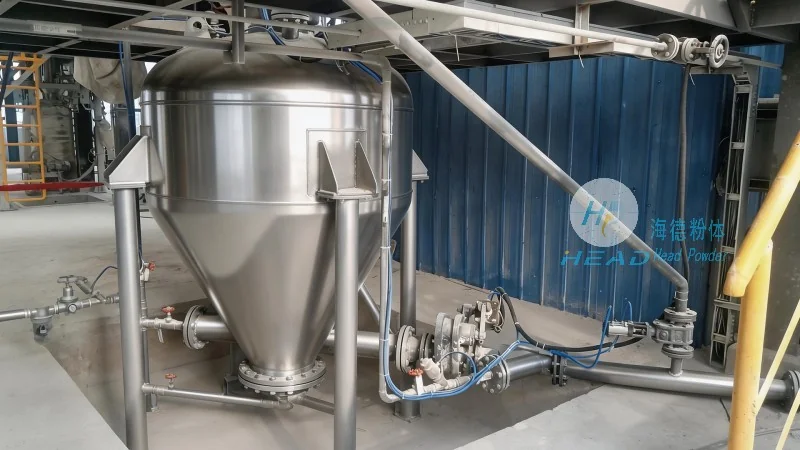
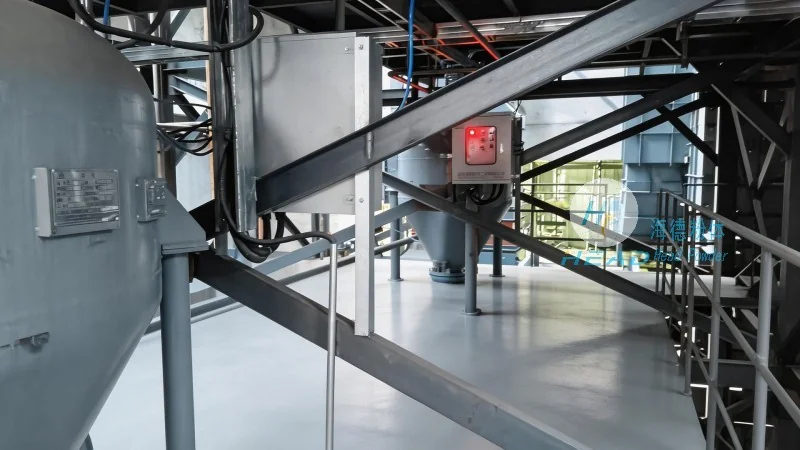
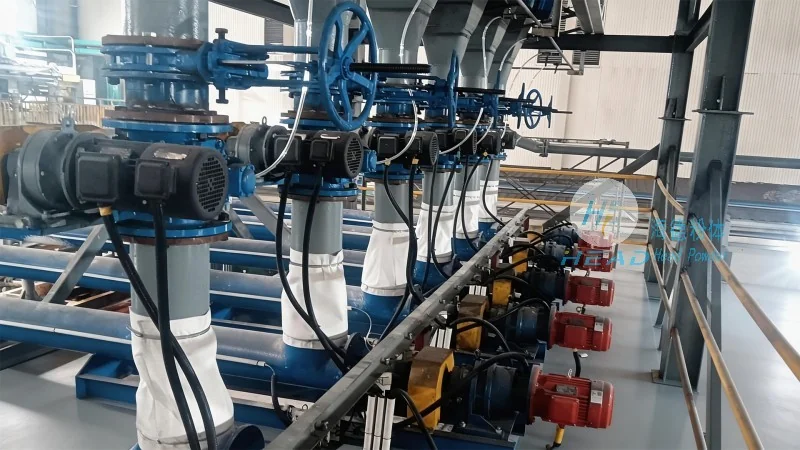
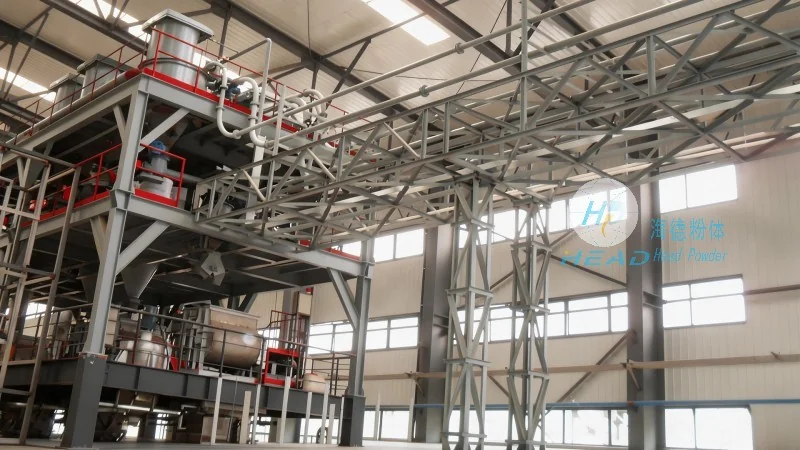
Sawdust particle pneumatic conveying system equipment, commonly referred to as pneumatic conveying equipment, is a device that operates based on the principle of pneumatic conveying for granular material transport. It mainly consists of feeding devices, conveying pipelines, air source systems, separators, and control systems. The core function of this equipment is to transport sawdust particles from storage or processing points to designated locations such as boilers, storage silos, or processing workshops. Compared with traditional mechanical conveying methods, pneumatic conveying systems offer advantages like long transportation distances, high efficiency, small equipment footprint, and simple operation, especially suitable for sawdust and other materials that are prone to dust scattering and clogging.
Design Principles of Sawdust Particle Pneumatic Conveying System Equipment
The design of sawdust particle pneumatic conveying system equipment is based on fluid mechanics and particle mechanics principles. Its basic working principle is: high-pressure air or inert gas from the air source system is injected into the conveying pipeline at the inlet end, mixing with sawdust particles to form a gas-solid two-phase flow that moves forward at a certain velocity within the pipeline. Key factors considered during design include the physical properties of the material (such as particle size, density, moisture, and flowability), transportation distance, flow rate, pipeline layout, and air source pressure. The system typically employs either positive pressure or negative pressure conveying. Positive pressure conveying pushes materials forward by injecting compressed air into the pipeline inlet, while negative pressure conveying draws materials into the pipeline by creating a negative pressure at the pipeline outlet through suction. The design process involves calculating the velocity and pressure loss of the gas-solid two-phase flow, air source power, and the dimensions and materials of each component to ensure safe and efficient operation. For example, due to the low density and tendency of sawdust to agglomerate, higher gas velocities are often used in design to prevent particle deposition or blockage in the pipeline and ensure continuous transportation. Additionally, the system is equipped with separators to separate the transported air from sawdust particles, recover the air, and process the particles, reducing energy consumption and environmental pollution.




