Calcite, a widely used calcium carbonate mineral, plays a crucial role in industries such as construction, chemical manufacturing, and food processing. The efficient handling of calcite powders is essential for maintaining production efficiency and product quality. Pneumatic conveying machines provide a reliable solution for transporting calcite materials over short to medium distances, offering advantages like dust-free operation and reduced maintenance compared to traditional methods like belt conveyors or bucket elevators.
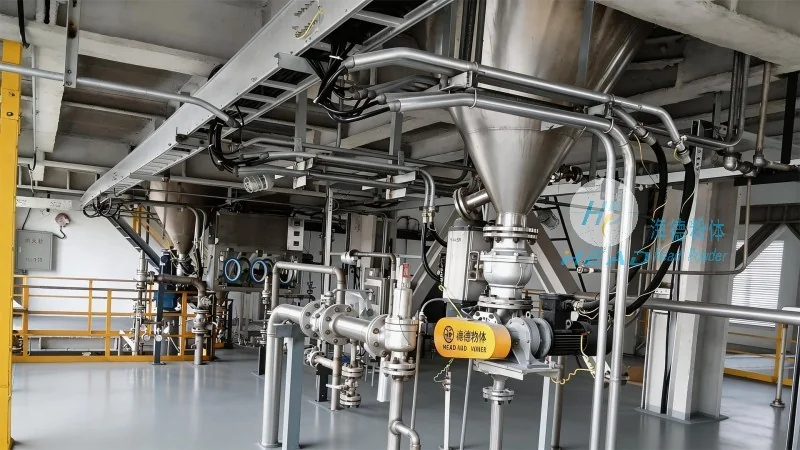
HeadPowder Engineering: Expert in Pneumatic Conveying Solutions
Shandong HeadPowder Engineering Co., Ltd., a leading manufacturer based in China, specializes in designing and manufacturing advanced pneumatic conveying systems tailored to the unique requirements of calcite and other fine materials. With years of industry experience, HeadPowder has developed a comprehensive range of equipment that ensures optimal performance, safety, and durability. The company’s headquarters is located in Shandong, China, where a dedicated team of engineers and technicians work to deliver high-quality products and exceptional customer service.
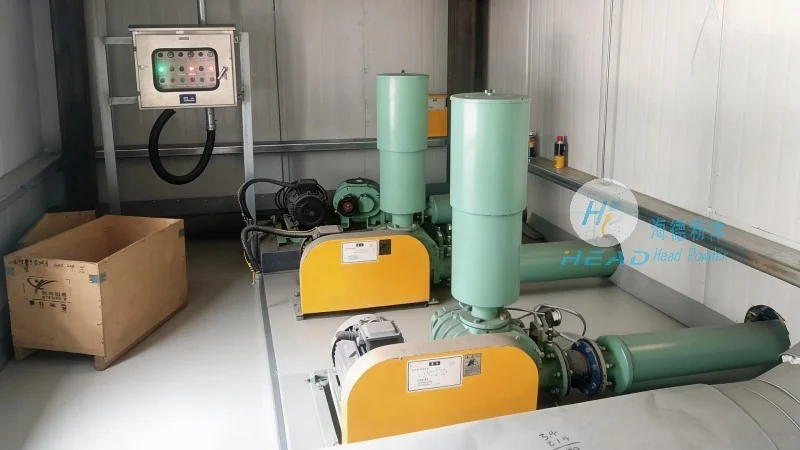
Working Principle of Pneumatic Conveying Machines
The core of a pneumatic conveying system lies in transporting bulk materials using a stream of air. The process typically begins with a feeding mechanism that introduces calcite powder into a pipeline, where it is then carried by an air current. There are two primary types of pneumatic conveying: dilute phase and dense phase. Dilute phase systems utilize high-velocity air to move materials, making them suitable for short distances and low to medium material loads. Dense phase systems, in contrast, employ lower air velocities and higher material concentrations, ideal for longer distances and preventing material degradation or segregation.
Operation Process of Calcite Material Pneumatic Conveying
The operation process of a calcite material pneumatic conveying machine involves several key steps. First, the calcite powder is fed into the system through a hopper or a feeder, ensuring a consistent flow rate. The feeder then delivers the material into the conveying line, where it mixes with the air stream. The air, often supplied by a blower or a fan, creates a pressure differential that propels the material forward. As the material travels through the pipeline, it may pass through various components such as bends, filters, and silos, which help maintain the flow and prevent blockages. The receiving hopper or storage tank collects the calcite powder at the end of the conveying line, completing the process. This entire operation is designed to be continuous and efficient, minimizing downtime and maximizing throughput.
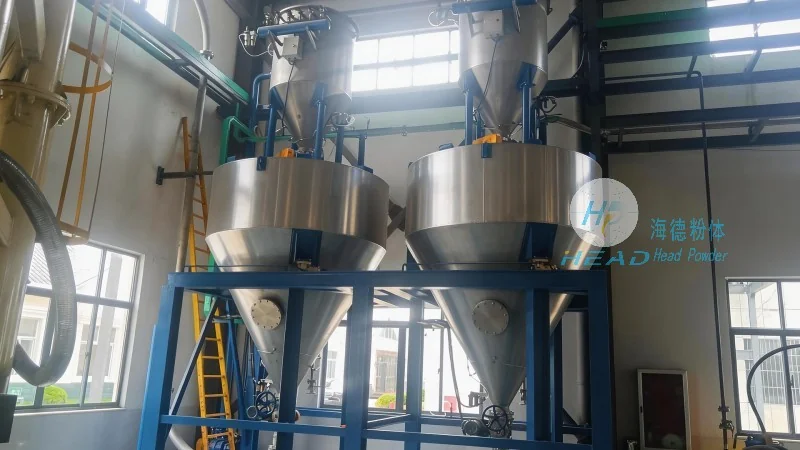
Key Features and Benefits for Calcite Handling
When handling calcite materials, pneumatic conveying machines offer several advantages over traditional methods. These include reduced dust generation, which enhances workplace safety and product purity. The enclosed system also prevents material contamination from external sources, ensuring the quality of the calcite powder. Additionally, pneumatic conveyors provide greater layout flexibility, allowing for easy integration into existing production lines. The low maintenance requirements and energy efficiency of these systems contribute to long-term cost savings for manufacturers. HeadPowder’s pneumatic conveying solutions are engineered to address these benefits, providing reliable and durable equipment that meets the specific demands of calcite processing industries.




