Fracturing sand is a critical component in the oil and gas industry, used extensively in hydraulic fracturing operations to enhance reservoir permeability. The efficient and reliable transportation of these fine powders is essential for maintaining operational efficiency and ensuring the success of fracturing projects. This article provides an in-depth look at the operation process and working principle of a pneumatic conveying system designed specifically for fracturing sand powder, highlighting the key components, operational steps, and technical aspects that contribute to its effective performance. The system is engineered by Shandong HeadPowder Engineering Co., Ltd., a leading provider of specialized engineering solutions for the oil and gas sector, based in China.
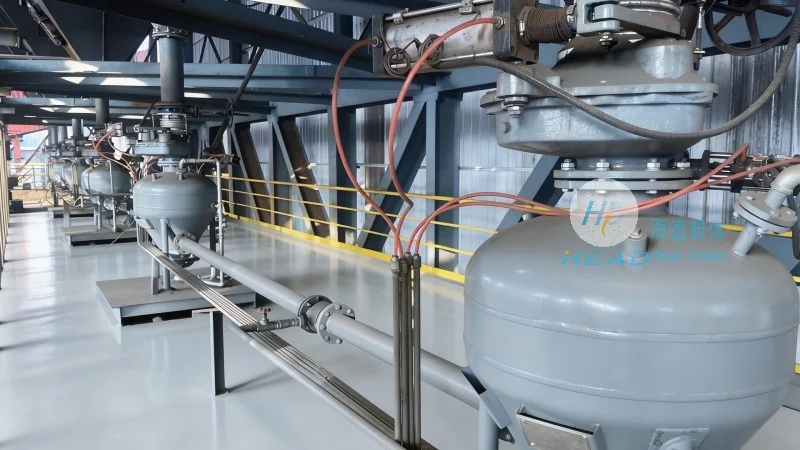
Overview of the Pneumatic Conveying System
The pneumatic conveying system for fracturing sand powder is engineered to handle the unique challenges associated with transporting fine, abrasive materials over long distances. It combines advanced engineering principles with robust construction to ensure consistent performance under demanding conditions. The system is designed to be scalable, allowing it to accommodate varying production volumes and operational requirements in different field applications.
Key Components of the System
The pneumatic conveying system consists of several critical components that work in tandem to achieve efficient material transport. These include the material hopper, which serves as the storage and feeding unit; the air compressor, responsible for generating the necessary pressure and airflow; the conveying line, which transports the sand particles through the system; and the dust collector, which captures and filters any airborne particles to ensure environmental compliance and system cleanliness.
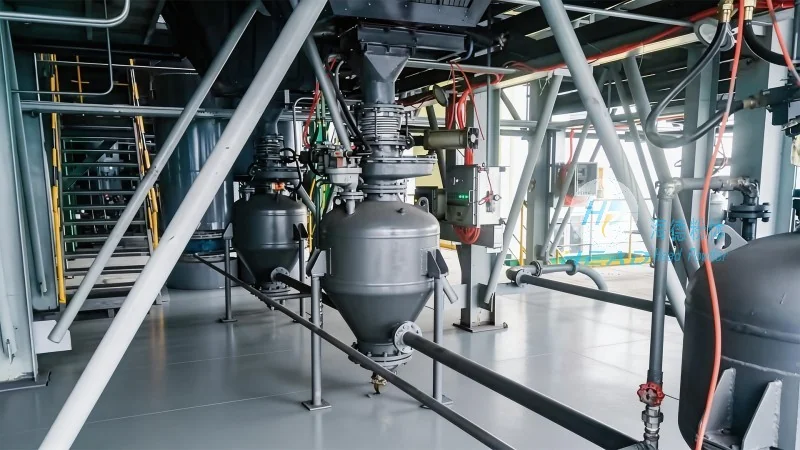
Operation Process: Step-by-Step
The operation of the pneumatic conveying system for fracturing sand powder follows a systematic sequence of steps to ensure smooth and continuous material transport. The process begins with the loading of sand into the material hopper. A feeder mechanism then regulates the flow of sand from the hopper into the conveying line, ensuring a consistent feed rate. Simultaneously, the air compressor generates high-pressure air, which is introduced into the conveying line. The air and sand particles are mixed in the line, creating a slurry-like flow that propels the sand forward. The system is equipped with pressure sensors and flow meters to monitor the operation in real-time, allowing for adjustments to maintain optimal performance.
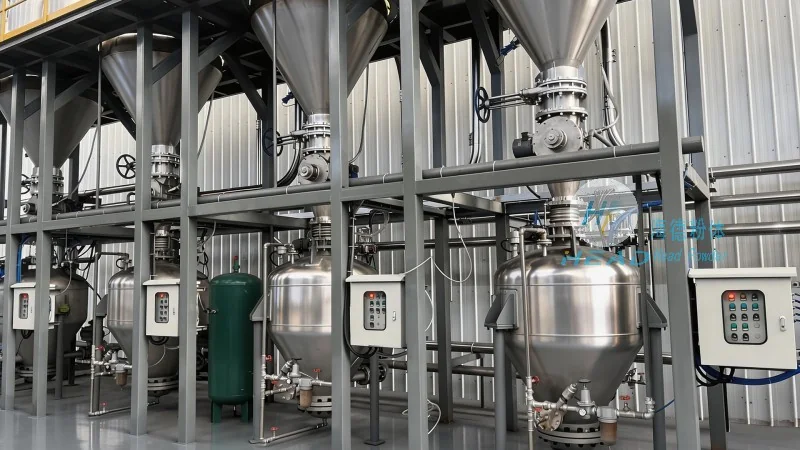
Working Principle: The Science Behind the System
The working principle of the pneumatic conveying system is based on the fundamental concept of fluidization and pneumatic transport. The air compressor supplies a continuous stream of compressed air, which creates a pressure differential between the hopper and the discharge point. This pressure differential drives the sand particles through the conveying line. The sand particles are suspended in the air stream, forming a dilute or dense phase flow, depending on the system design and operational parameters. The system is designed to maintain a stable flow rate, minimizing particle segregation and ensuring uniform distribution of the sand to the target location.
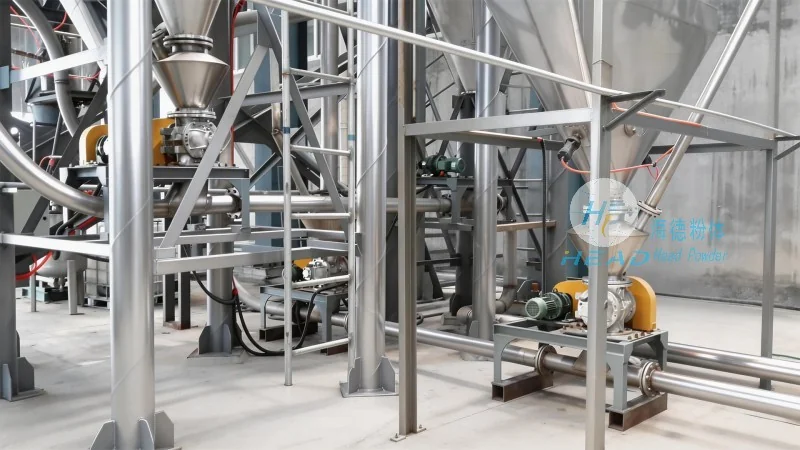
Benefits and Advantages
Implementing a pneumatic conveying system for fracturing sand offers several key benefits that enhance operational efficiency and safety. These include reduced labor costs due to automated material handling, minimized material loss and contamination, improved process control through real-time monitoring, and enhanced safety by eliminating manual handling of fine powders. The system also contributes to environmental sustainability by capturing and filtering dust, preventing air pollution and ensuring compliance with regulatory standards.
Conclusion
The pneumatic conveying system for fracturing sand powder is a sophisticated and reliable solution for transporting fine materials in the oil and gas industry. By understanding the operation process and working principle, operators can optimize system performance, ensure consistent material delivery, and enhance overall project efficiency. The system's design and components are tailored to meet the specific demands of fracturing operations, providing a robust and efficient method for handling sand powders. With its ability to handle abrasive and fine materials, this system is a critical asset for companies operating in the oil and gas sector, supporting the success of hydraulic fracturing projects and contributing to increased oil and gas production.




