Desulfurizer material conveying lines are critical components in industrial processes, particularly in power plants and other facilities that utilize flue gas desulfurization (FGD) systems. These systems are designed to transport desulfurizer materials, such as limestone or other reagents, from storage to the point of use in the FGD process. The efficiency and reliability of these conveying lines directly impact the overall performance and environmental compliance of the facility. Understanding the design principles behind these systems is essential for optimizing operation and ensuring long-term effectiveness.
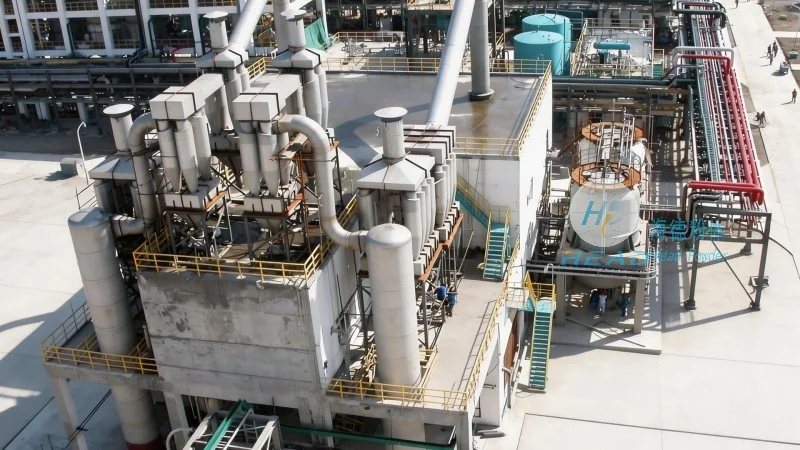
Key Components of a Desulfurizer Material Conveying Line
A typical desulfurizer material conveying line consists of several key components that work in tandem to ensure smooth material transport. These components include bulk material storage silos or hoppers, feeders (such as rotary or vibratory feeders) that regulate the flow of material from storage to the conveyor system, conveyor belts or screw conveyors that transport the material horizontally or vertically, and control systems that monitor and adjust the flow rate based on process requirements. Each component is carefully selected and integrated to meet the specific demands of the desulfurization process, including material characteristics, throughput requirements, and environmental considerations.
Design Principles for Material Handling Efficiency
The design of a desulfurizer material conveying line is guided by several fundamental principles aimed at maximizing efficiency, minimizing downtime, and ensuring safety. One of the primary principles is the selection of appropriate equipment based on the physical properties of the desulfurizer material. For example, materials with high moisture content or abrasive characteristics may require specialized conveyor belts or screw designs to prevent wear and maintain consistent flow. Additionally, the system is designed to handle varying throughput rates, allowing for adjustments based on the plant's operational needs, such as during start-up, maintenance, or increased production.
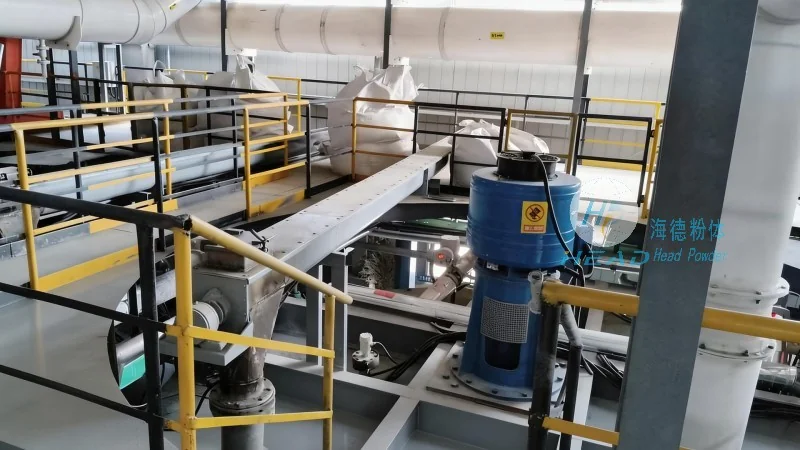
Control and Monitoring Systems in Conveying Line Design
Modern desulfurizer material conveying lines incorporate advanced control and monitoring systems to enhance operational performance and reliability. These systems typically include sensors that detect material levels in storage silos, flow meters that measure the rate of material transport, and programmable logic controllers (PLCs) that regulate the operation of feeders and conveyors. The integration of these systems allows for real-time monitoring of the conveying process, enabling operators to quickly identify and address any issues, such as blockages or variations in flow rate. This proactive approach to control helps to minimize disruptions and ensures that the desulfurization process operates at optimal levels.
Material Flow and Process Integration
The design of a desulfurizer material conveying line must also consider its integration with the overall FGD process. The conveying system is typically connected to the desulfurizer reaction tower or absorber, where the material is introduced into the flue gas stream to remove sulfur dioxide (SO2). The flow rate of the desulfurizer material is carefully matched to the rate of flue gas flow to ensure effective SO2 absorption. This integration requires precise control over the conveying process, as any imbalance can lead to inefficiencies or even equipment damage. Engineers from Shandong HeadPowder Engineering Co., Ltd. specialize in designing conveying systems that are seamlessly integrated with FGD processes, ensuring that the material is delivered at the right time and in the right quantity to maintain optimal desulfurization performance.
Reliability and Maintenance Considerations
Reliability is a critical factor in the design of desulfurizer material conveying lines, as downtime can result in significant operational costs and environmental impacts. To enhance reliability, the design incorporates features such as redundant components, regular maintenance schedules, and robust construction materials. For example, conveyor belts are often made from high-quality, wear-resistant materials to withstand the abrasive nature of desulfurizer materials. Additionally, the system is designed with easy access points for maintenance personnel, allowing for quick inspections and repairs. The engineering team at Shandong HeadPowder Engineering Co., Ltd. emphasizes the importance of regular maintenance and provides comprehensive support to ensure that the conveying lines operate reliably over their service life.
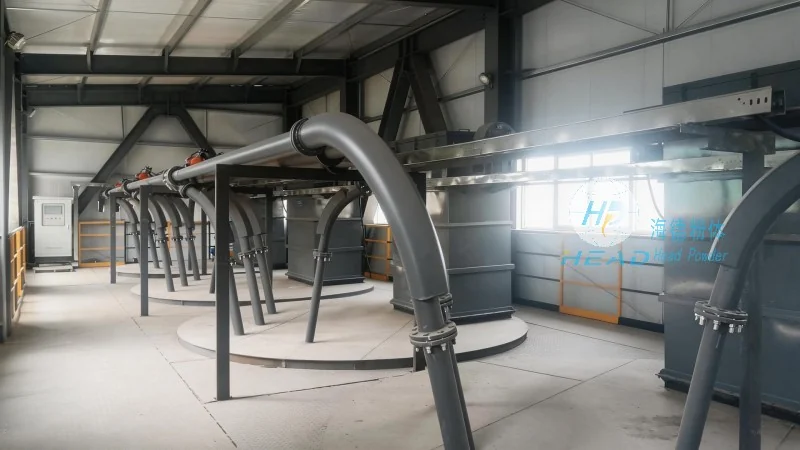
Environmental and Safety Considerations
Designing desulfurizer material conveying lines also involves careful consideration of environmental and safety factors. The system is engineered to minimize dust emissions and prevent material spillage, which can have negative environmental impacts. Dust collection systems and containment measures are often integrated into the design to ensure compliance with environmental regulations. Additionally, safety features such as emergency stop buttons, interlocks, and protective guards are included to protect operators and prevent accidents. The team at Shandong HeadPowder Engineering Co., Ltd. adheres to strict safety standards and incorporates these considerations into every aspect of the conveying line design, ensuring that the system is both effective and safe to operate.
Conclusion
In summary, desulfurizer material conveying lines are complex systems that require careful design and integration to ensure efficient operation in flue gas desulfurization processes. The design principles outlined above, including component selection, control systems, and process integration, are essential for optimizing performance and reliability. Companies like Shandong HeadPowder Engineering Co., Ltd., with their expertise in engineering and material handling, play a vital role in designing and implementing these systems to meet the needs of modern industrial facilities. By focusing on efficiency, safety, and environmental compliance, these conveying lines contribute to the overall success of desulfurization efforts and help to protect the environment.




