Chocolate material conveying lines are essential components in the modern chocolate manufacturing industry, serving as the backbone for efficient and reliable material handling. These systems are designed to transport various chocolate-related materials, such as cocoa beans, sugar, milk powder, and other ingredients, from raw material storage to processing equipment. Understanding the functionality and design principles of these lines is crucial for optimizing production processes and ensuring product quality.
Introduction to Chocolate Material Conveying Lines
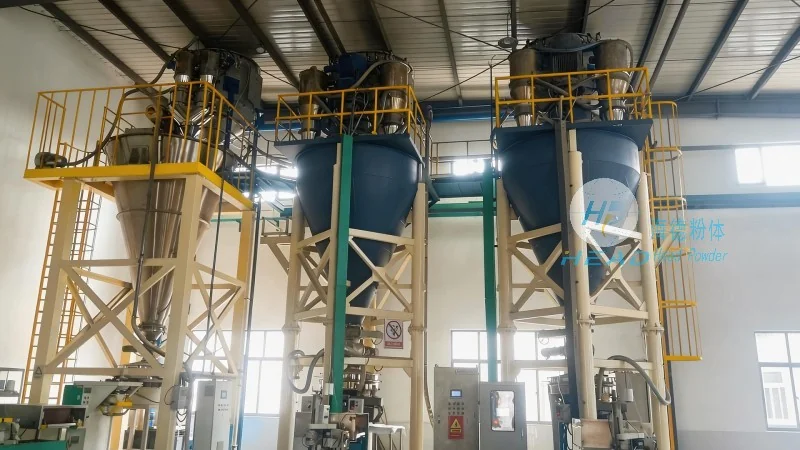
A chocolate material conveying line is a specialized system that integrates multiple components to move bulk materials in a controlled manner. It typically includes hoppers, feeders, conveyors (like belt conveyors, screw conveyors, or pneumatic conveyors), and control systems. The primary goal is to maintain consistent material flow, minimize product degradation, and enhance overall operational efficiency. These lines are tailored to the specific characteristics of chocolate ingredients, which often require gentle handling to preserve flavor, texture, and quality.
HeadPowder Engineering: A Leading Provider of Conveying Solutions
Shandong HeadPowder Engineering Co., Ltd., a prominent manufacturer based in China, specializes in designing and manufacturing high-quality chocolate material conveying lines. With years of experience in the industry, HeadPowder has established itself as a trusted partner for chocolate manufacturers worldwide. The company’s commitment to innovation and customer satisfaction has enabled it to deliver customized solutions that meet the unique demands of each production facility. HeadPowder’s expertise lies in integrating advanced technology with practical engineering, ensuring that their conveying systems are not only efficient but also durable and easy to maintain.
Design Principles of Chocolate Material Conveying Lines
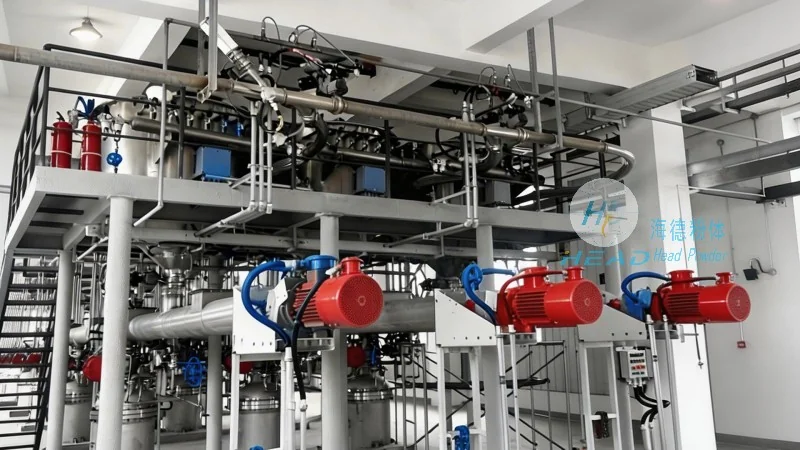
The design of a chocolate material conveying line is governed by several key principles that ensure optimal performance. First, the system must be designed to handle the specific physical properties of chocolate ingredients, such as moisture content, particle size, and density. For instance, cocoa beans, which are often irregularly shaped and have a high oil content, require gentle handling to prevent breakage and oil separation. This is achieved through the use of low-speed conveyors and soft materials in contact with the product.
Second, the conveying line must maintain a consistent flow rate to avoid overloading processing equipment. This is typically achieved through the use of feeders that regulate the material discharge from hoppers. The control system plays a critical role here, as it monitors the flow rate and adjusts the feeder speed accordingly. This ensures that the processing equipment receives a steady supply of materials, preventing bottlenecks and reducing downtime.
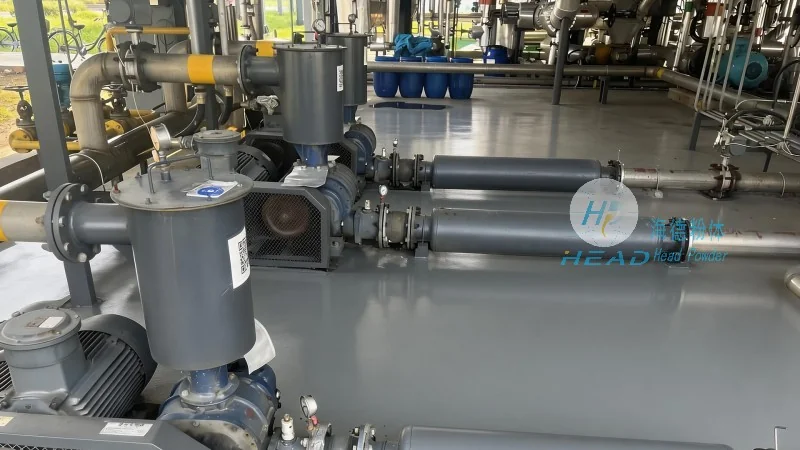
Third, the design must prioritize hygiene and cleanliness, as chocolate products are highly sensitive to contamination. All components of the conveying line, including hoppers, conveyors, and control panels, are made from food-grade materials, such as stainless steel, and are designed for easy cleaning and maintenance. The system also incorporates features like air filtration and dust collection to minimize the risk of cross-contamination.
Key Components and Their Functions
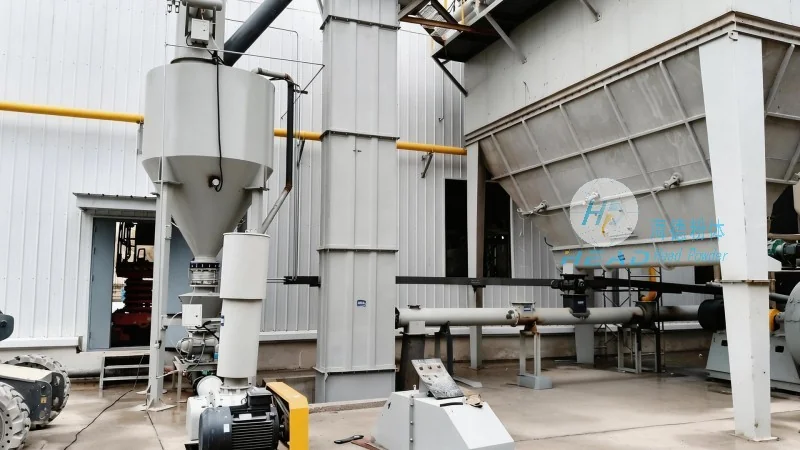
A typical chocolate material conveying line consists of several key components, each with a specific function. The hoppers are used to store and feed raw materials into the system. They are designed with sloped sides to facilitate material discharge and prevent clogging. The feeders, often screw or vibratory types, regulate the flow of materials from the hoppers to the conveyors. The conveyors, which can be belt, screw, or pneumatic, transport the materials through the system. Belt conveyors are commonly used for dry materials, while screw conveyors are ideal for powders and granules. Pneumatic conveyors are used for fine powders and can transport materials over long distances.
Benefits of Using a Chocolate Material Conveying Line
Implementing a chocolate material conveying line offers numerous benefits for chocolate manufacturers. First, it improves production efficiency by automating the material handling process, reducing the need for manual labor and minimizing human error. This leads to faster production cycles and increased output. Second, it enhances product quality by ensuring consistent material flow and gentle handling, which preserves the flavor and texture of the ingredients. Third, it improves safety by reducing the risk of accidents associated with manual handling of bulk materials. Finally, it provides cost savings through reduced downtime, lower maintenance costs, and improved energy efficiency.
Conclusion
Chocolate material conveying lines are indispensable in the chocolate manufacturing industry, and their design principles are critical to their effectiveness. By understanding the key components and design considerations, manufacturers can select and implement the most suitable system for their production needs. With the expertise of companies like Shandong HeadPowder Engineering Co., Ltd., chocolate manufacturers can ensure that their material handling processes are efficient, reliable, and in line with industry standards. As the demand for high-quality chocolate products continues to grow, the importance of well-designed conveying lines will only increase, making them a vital investment for any chocolate production facility.




