Concrete powder pneumatic conveying systems are advanced industrial solutions designed to efficiently transport dry concrete powders over long distances with minimal loss and high reliability. These systems are widely used in construction, manufacturing, and material handling industries due to their ability to handle abrasive and fine materials while maintaining operational efficiency. The core of such systems lies in the seamless integration of pneumatic technology with specialized equipment, enabling smooth material transfer without the need for traditional mechanical components like belts or buckets.
Key Components and Their Roles
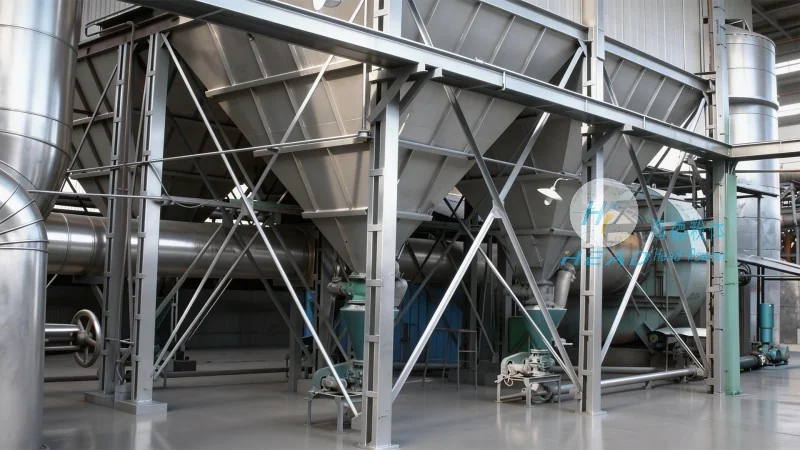
The operation of a concrete powder pneumatic conveying system involves several critical components, each playing a vital role in the overall process. The primary components include the hopper, feeder, pneumatic conveying line, and receiver. The hopper serves as the storage vessel for the concrete powder, ensuring a consistent supply of material. The feeder, typically a rotary valve or screw feeder, regulates the flow rate of the powder into the conveying line, preventing overloading and maintaining stable pressure. The pneumatic conveying line, often made of stainless steel or other corrosion-resistant materials, transports the powder using compressed air. The receiver is the final storage or discharge point, where the material is collected after the conveying process.
Working Principle of the System
The working principle of a concrete powder pneumatic conveying system is based on the use of compressed air to create a flow of material through the conveying line. When the feeder opens, concrete powder is introduced into the line, and the compressed air, introduced at the inlet, creates a pressure differential that propels the powder forward. The air and powder mixture travels through the pipeline, with the air providing the necessary force to overcome resistance and maintain the flow. At the receiver end, the air is separated from the powder, often through a cyclone separator or filter, allowing the powder to be collected while the air is discharged or recirculated. This process ensures that the concrete powder is transported efficiently and with minimal degradation.
Operation Process Step-by-Step
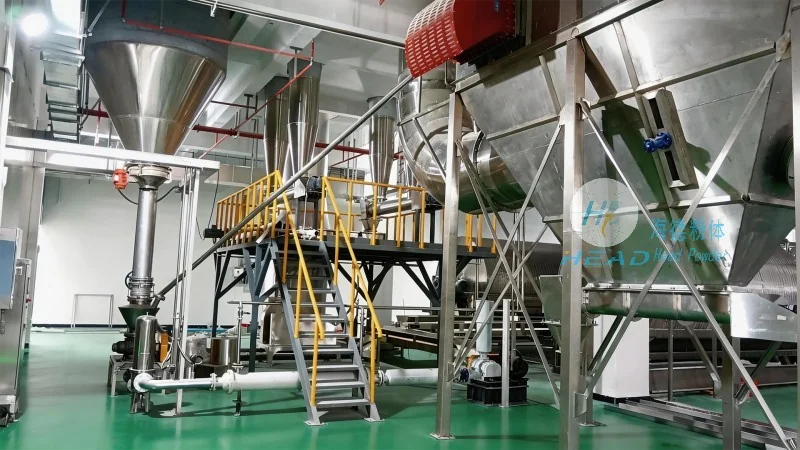
The operation process of a concrete powder pneumatic conveying system can be broken down into several key steps. First, the concrete powder is loaded into the hopper, which is equipped with a level indicator to monitor the material volume. Next, the feeder is activated, controlling the flow rate of the powder into the conveying line. Compressed air is then supplied to the system, creating the necessary pressure to initiate the conveying process. As the powder enters the line, it is carried by the air stream, traveling to the receiver. At the receiver, the air and powder are separated, with the powder being collected in the designated container. The system continues to operate until the hopper is emptied or the required material quantity is transferred. Regular maintenance, such as cleaning the conveying line and checking air pressure, is essential to ensure optimal performance and prevent system downtime.
Advantages of Concrete Powder Pneumatic Conveying Systems
Concrete powder pneumatic conveying systems offer several advantages over traditional material handling methods. These include high efficiency in material transfer, as the system can transport large quantities of powder over long distances with minimal energy consumption. The systems are also highly flexible, allowing for changes in the conveying route or flow rate without significant modifications. Additionally, they reduce material loss and contamination, as the powder is contained within the system and does not come into contact with external elements. The use of stainless steel components ensures durability and resistance to corrosion, extending the system's lifespan. Furthermore, the systems are compact and can be integrated into existing industrial setups, making them a cost-effective solution for various applications.
Applications in the Construction Industry
In the construction industry, concrete powder pneumatic conveying systems are widely used for transporting dry concrete mixes to job sites or batching plants. These systems enable the efficient delivery of concrete powders, reducing the need for manual handling and improving safety on construction sites. The systems are particularly useful in large-scale projects where long-distance transport is required, such as infrastructure development or high-rise building construction. By ensuring consistent and reliable material supply, these systems contribute to the overall efficiency and quality of construction processes. They also help in reducing material waste and improving the environmental impact of construction activities by minimizing the use of water and other resources in the mixing process.
Maintenance and Troubleshooting
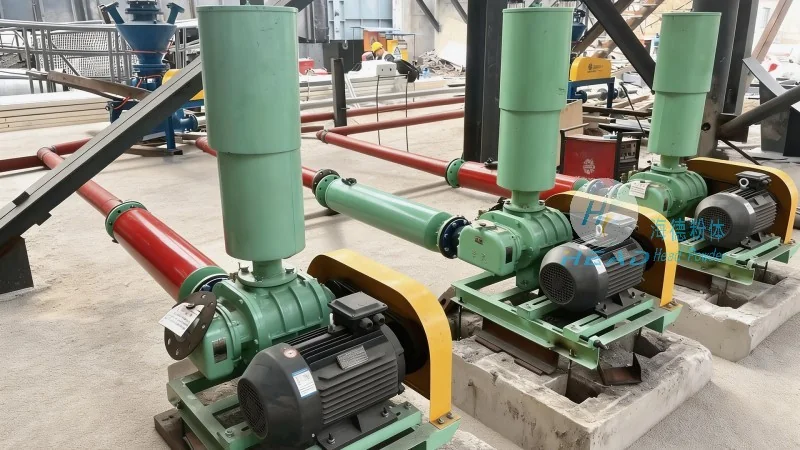
Proper maintenance is crucial for the reliable operation of concrete powder pneumatic conveying systems. Regular inspections should be conducted to check for any signs of wear or damage in the components, such as the hopper, feeder, and conveying line. The air compressor and pressure system should be checked for proper functioning, ensuring that the required air pressure is maintained. The cyclone separator or filter at the receiver should be cleaned regularly to prevent clogging and ensure efficient separation of air and powder. If the system experiences issues such as reduced flow rate or increased pressure, troubleshooting steps should be taken to identify and resolve the problem. Common issues may include blockages in the conveying line, air leaks, or feeder malfunctions, which can be addressed by checking the system components and performing necessary repairs or replacements.
Conclusion
Concrete powder pneumatic conveying systems are essential industrial equipment that provides efficient and reliable transport of dry concrete powders. By understanding the key components, working principles, and operation process, users can optimize the system's performance and ensure its longevity. The advantages of these systems, including high efficiency, flexibility, and durability, make them a preferred choice in various industries. With proper maintenance and operation, concrete powder pneumatic conveying systems can significantly enhance material handling processes and contribute to overall industrial productivity. As technology advances, these systems continue to evolve, offering improved capabilities and greater efficiency for modern industrial applications.




