For industries dealing with polyethylene pellets, understanding the material conveying line is crucial. This system is specifically designed to transport polyethylene pellets efficiently from one processing stage to another. The primary goal is to ensure smooth, continuous, and safe movement of these lightweight, free-flowing materials, which are essential in various manufacturing processes such as plastic extrusion, molding, and compounding. The conveying line plays a pivotal role in maintaining production efficiency and minimizing material loss or contamination.
Design Principles of Polyethylene Pellet Conveying Lines
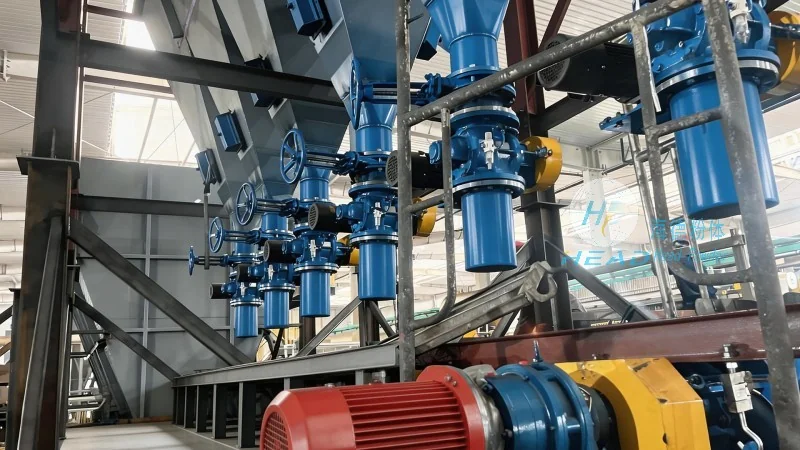
The design of a polyethylene pellet conveying line is based on several key principles that address the unique characteristics of polyethylene pellets. These principles include material handling efficiency, system reliability, and adaptability to different production environments. The conveying line typically consists of components like hoppers, feeders, conveyors (e.g., screw conveyors, belt conveyors, or pneumatic systems), and control systems. Each component is carefully selected and integrated to optimize the flow of pellets while minimizing energy consumption and wear on equipment.
Material flow control is a critical aspect of the design. Polyethylene pellets are often light and can be prone to bridging or segregation if not handled properly. Therefore, the conveying system incorporates features such as adjustable feed rates, vibration mechanisms, and air knives to ensure uniform and consistent flow. The choice of conveyor type depends on factors like the volume of material, the distance to be conveyed, and the required speed. For example, screw conveyors are commonly used for vertical or inclined transport due to their ability to handle bulk materials with minimal spillage, while belt conveyors are suitable for horizontal or slightly inclined paths, offering high throughput and durability.
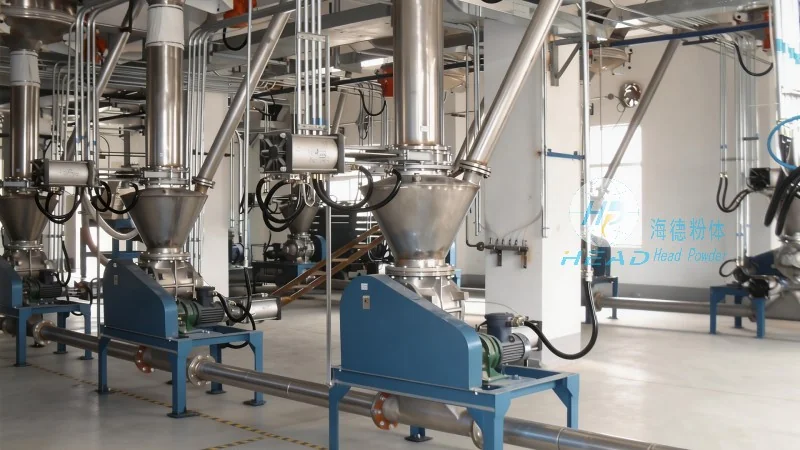
System integration and automation are also central to the design. Modern conveying lines often include sensors and control panels that monitor flow rates, detect blockages, and adjust operational parameters in real-time. This automation enhances system reliability and reduces the need for manual intervention, which is particularly important in high-speed production lines. Additionally, the design considers factors like temperature control, as polyethylene pellets can be sensitive to heat, which may affect their properties. Proper insulation and temperature regulation in the conveying line help maintain the pellets' quality and prevent degradation.
About HeadPowder: Experts in Material Handling Solutions
HeadPowder, or Shandong HeadPowder Engineering Co., Ltd., is a leading manufacturer specializing in the design and production of material conveying systems, including polyethylene pellet conveying lines. With a strong presence in China, particularly in Shandong, the company has built a reputation for delivering high-quality, reliable equipment tailored to the specific needs of the plastic and polymer industries. HeadPowder's expertise lies in understanding the unique challenges of handling polyethylene pellets and developing solutions that address these challenges effectively.
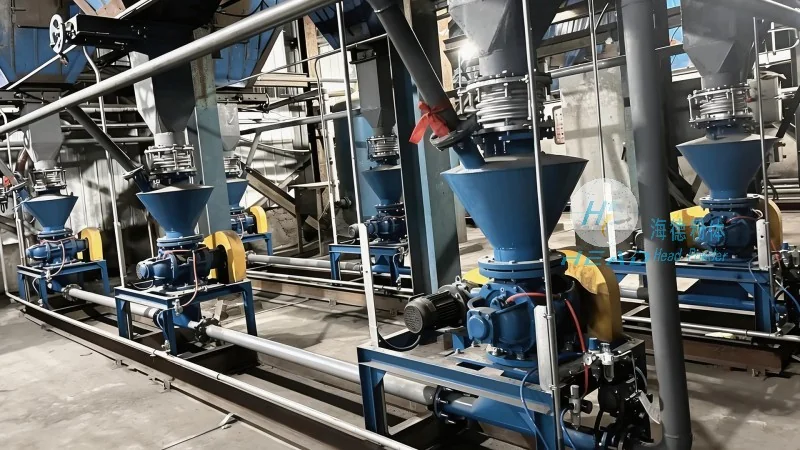
The company's facilities are equipped with advanced technology and skilled engineering teams who work closely with clients to understand their production requirements. This collaborative approach ensures that the conveying lines are customized to meet the exact specifications of each application, whether it's for small-scale operations or large industrial plants. HeadPowder's commitment to quality is evident in their adherence to international standards and rigorous testing procedures, which guarantee the durability and performance of their equipment.
HeadPowder's location in Shandong, China, provides easy access to major manufacturing hubs and raw material sources, enabling efficient production and delivery. The company's focus on innovation and customer satisfaction has made it a trusted partner for businesses seeking to optimize their material handling processes. By leveraging their expertise in conveying technology, HeadPowder helps clients improve production efficiency, reduce operational costs, and enhance the overall quality of their polyethylene products.




