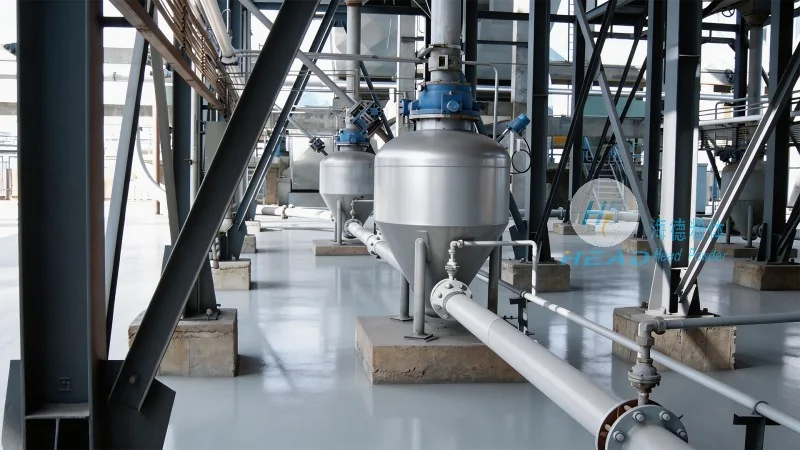
Shandong HeadPowder Engineering Co., Ltd., a leading manufacturer based in Shandong, China, specializes in the design and production of advanced powder conveying systems. This article provides a comprehensive overview of kaolin ash powder conveying equipment, focusing on its design principles, operational mechanisms, and key applications in industrial processes. The equipment is engineered to handle the transportation of kaolin ash powder, a fine particulate material widely used in ceramics, paper manufacturing, and chemical industries.
Introduction to Kaolin Ash Powder Conveying Equipment
Kaolin ash powder conveying equipment is a specialized system engineered to efficiently and safely transport kaolin ash powder, a fine dry powder with unique physical properties. The system is designed to ensure reliable transfer of the material from its source, such as storage silos or batch containers, to processing or storage locations. The equipment addresses challenges like material flow control, dust suppression, and system durability, making it essential for industries that rely on consistent kaolin ash supply.
Key Design Principles for Efficient Powder Conveying
The design of kaolin ash powder conveying equipment is guided by several critical principles to achieve optimal performance. These principles prioritize material handling efficiency, system longevity, operational safety, and minimal product degradation. Engineers develop these systems by carefully analyzing the physical properties of kaolin ash powder, including particle size distribution, bulk density, flowability, and moisture content. Additionally, the required conveying distance, throughput capacity, and environmental conditions are considered to tailor the system to specific industrial needs. The design also emphasizes energy efficiency and cost-effectiveness, ensuring that the equipment operates within budget while meeting performance standards.
Core Components and Their Functions
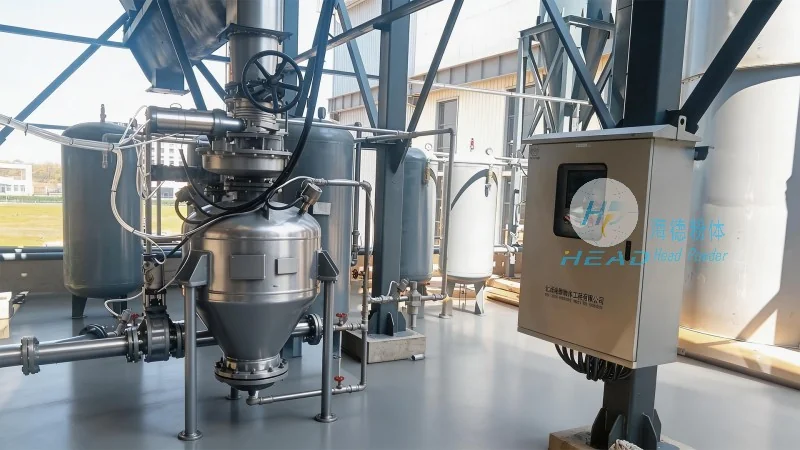
The conveying system typically comprises several interdependent components, each playing a crucial role in the overall operation. The primary components include a hopper for bulk material storage, a feeder to regulate discharge rate, a conveyor for material transport, and a receiver for final collection. The hopper is designed with a sloped interior and a discharge outlet to prevent material buildup and ensure a steady flow to the feeder. The feeder, often a rotary valve or screw feeder, controls the powder flow rate, preventing overloading or underloading of the conveyor. The conveyor, either pneumatic (air-driven) or mechanical (screw/belt-driven), transports the powder through the system. Pneumatic systems use compressed air to create a pressure differential, propelling the powder through pipelines, while mechanical systems rely on mechanical force to move the material along a defined path. The receiver at the destination collects the conveyed powder, ready for further processing or storage. Additional components may include dust collection systems, filtration units, and control panels to enhance safety and efficiency.
Operational Mechanism and Control Systems
The operation of the kaolin ash powder conveying equipment involves a sequence of coordinated steps to ensure consistent and controlled powder transfer. Initially, kaolin ash powder is fed into the hopper from a storage silo or batch container. The feeder then meters the powder at a predetermined rate, ensuring a steady flow into the conveyor. In pneumatic systems, compressed air is supplied to the pipeline, creating a pressure differential that propels the powder through the system. The air flow is regulated by control valves to maintain optimal pressure and flow rate. In mechanical systems, a screw or belt conveyor moves the powder along a defined path, with the speed adjusted to match the required throughput. Control systems, including programmable logic controllers (PLCs), sensors (e.g., level sensors, pressure sensors), and human-machine interfaces (HMIs), monitor and regulate the flow rate, pressure, temperature, and other parameters. These systems also include safety features, such as pressure relief valves, emergency stop buttons, and interlocks, to prevent accidents and protect personnel from dust exposure or mechanical hazards.
Design Considerations for Material Characteristics
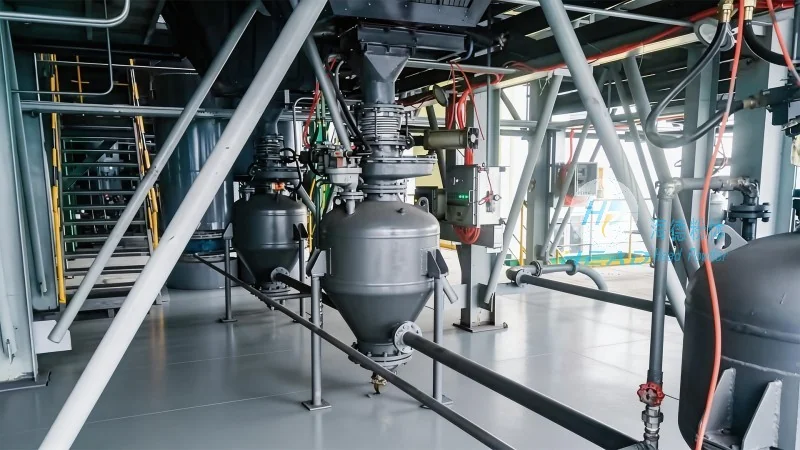
When designing kaolin ash powder conveying equipment, engineers must account for the specific characteristics of kaolin ash powder to ensure system effectiveness. Kaolin ash is a fine, dry powder with a relatively low bulk density (typically 0.5–0.8 g/cm³), which can affect conveying efficiency. The equipment is engineered to handle these characteristics by using appropriate materials for construction, such as stainless steel or corrosion-resistant alloys, to prevent material buildup and ensure smooth operation. The design also considers the potential for electrostatic charging, as fine powders can generate static electricity, which may cause dust explosions or material sticking. To mitigate this, anti-static coatings or grounding systems are incorporated into the hopper and conveyor components. Additionally, the system includes dust control measures, such as sealing, filtration, and ventilation systems, to maintain a safe working environment and comply with industrial safety regulations.
Applications in Industrial Processes
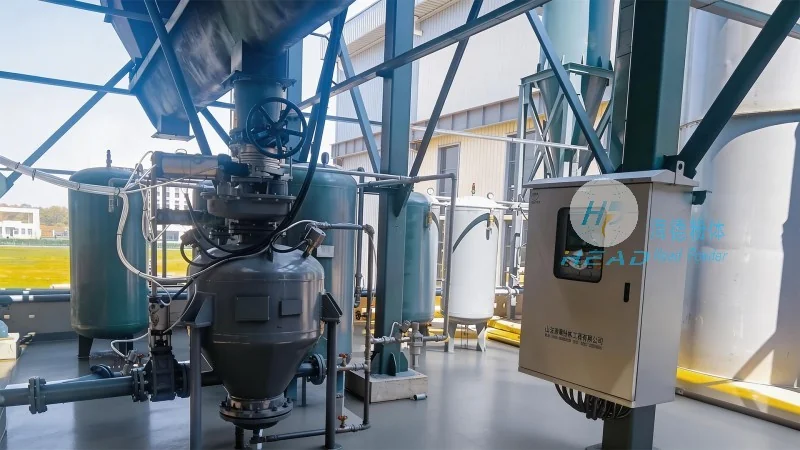
Kaolin ash powder conveying equipment is widely utilized in industries where the consistent and safe transport of kaolin ash is critical for production quality and efficiency. These industries include ceramics, paper manufacturing, and chemical processing. In the ceramics industry, kaolin ash is a key raw material for clay production, and the conveying equipment ensures a steady supply of the powder to the mixing and molding processes. The equipment maintains the purity of the kaolin ash, preventing contamination from other materials or moisture, which could affect the final product's texture and strength. In the paper industry, kaolin ash is used as a filler to improve paper quality, such as brightness and opacity. The conveying system delivers the powder to papermaking machines without degradation or agglomeration, ensuring consistent paper properties. In chemical manufacturing, kaolin ash may be used as an additive in various products, such as coatings or pigments. The equipment maintains the material's purity and consistency throughout the production process, meeting stringent quality standards. Specific applications may include feeding kaolin ash into mixing tanks, transporting it to reactors, or delivering it to packaging lines, all while minimizing dust generation and product loss.
Maintenance and Longevity of the Equipment
Regular maintenance is essential to ensure the longevity and performance of kaolin ash powder conveying equipment. Proper maintenance practices include routine cleaning of the hopper and feeder to prevent material buildup, which can cause blockages or uneven flow. Inspections should be conducted for wear on components such as bearings, seals, and conveyor belts, with replacements made as needed to prevent system failure. Control systems, including sensors and valves, should be checked for functionality and calibrated as required to maintain optimal performance. Additionally, periodic checks of the conveyor system, including pipelines and air filters (in pneumatic systems), are necessary to ensure no clogs or leaks. Maintenance should also include testing of safety features, such as pressure relief valves and emergency stop buttons, to confirm they are operational. By following a structured maintenance schedule, manufacturers can extend the lifespan of the equipment, minimize downtime, and ensure consistent, reliable operation. Regular maintenance also helps identify potential issues early, reducing the risk of costly breakdowns and improving overall operational efficiency.




