Ammonium bicarbonate (NH₄HCO₃) is a widely utilized chemical compound across various sectors, including food production, pharmaceuticals, and chemical manufacturing. Its hygroscopic nature and tendency to form lumps make handling this powder a specialized task, requiring equipment designed to address these unique characteristics. This article examines the concept of ammonium bicarbonate powder handling equipment and explores the fundamental design principles that ensure efficient and safe operation.
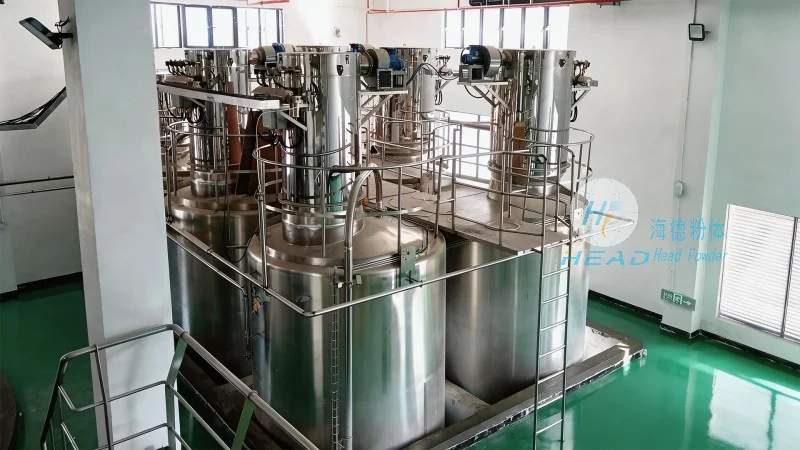
Challenges in Handling Ammonium Bicarbonate
Ammonium bicarbonate is a white crystalline powder that readily absorbs moisture from the air, leading to clumping and blockages in processing lines. Additionally, its light weight and fine particle size increase the risk of dust explosions if not properly contained. These challenges necessitate the use of specialized equipment that can maintain the material's free-flowing state and prevent contamination. The equipment must also comply with safety regulations to protect workers and the environment.
Key Components of Ammonium Bicarbonate Powder Handling Systems
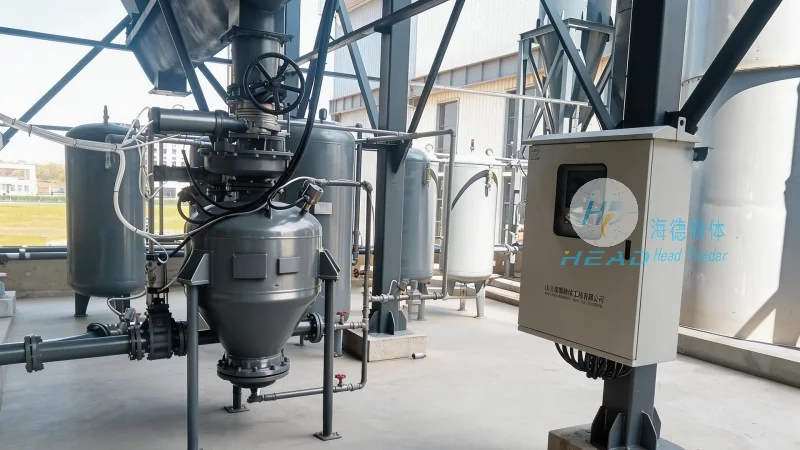
Ammonium bicarbonate powder handling systems typically include several integrated components: storage silos, feeders, conveyors, and processing units. Storage silos are designed with airtight and moisture-resistant materials to preserve the powder's quality. Feeders, such as rotary valves or vibratory feeders, control the flow rate of the material into the conveyor system. Conveyors, which may be pneumatic or mechanical, transport the powder from the storage area to the processing equipment. Processing units, such as mixers or reactors, complete the handling process.
Design Principles for Optimal Performance
The design of ammonium bicarbonate powder handling equipment is guided by several critical principles to ensure efficiency and safety. One primary principle is the use of airtight and sealed systems to prevent moisture ingress and dust contamination. High-quality seals and gaskets are employed in all joints and connections to maintain airtightness. Anti-static features are also incorporated to prevent electrostatic discharge, which can be hazardous with powders like ammonium bicarbonate.
Another key principle is the prevention of agglomeration. This is achieved through the integration of agitators, vibrators, and fluidized bed systems that keep the powder in a free-flowing state. Pre-drying or dehumidification stages may be included to reduce moisture content before processing, further minimizing the risk of clumping. The equipment is also designed with smooth surfaces and rounded corners to prevent material buildup and facilitate cleaning.
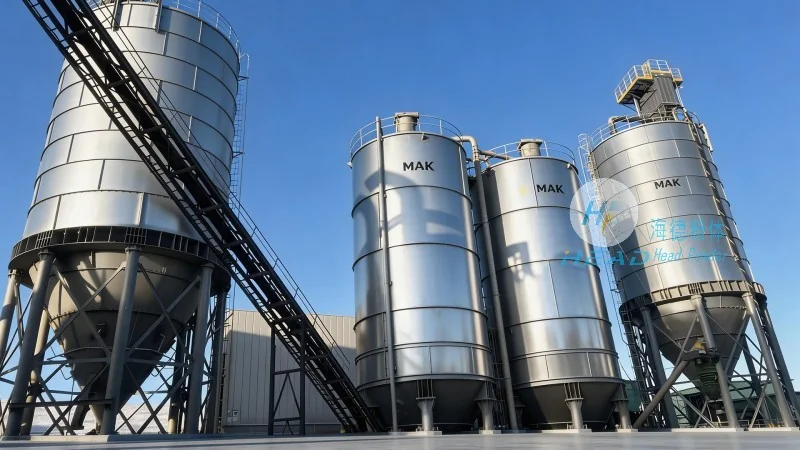
Customization and Compliance by Shandong HeadPowder Engineering Co., Ltd.
Shandong HeadPowder Engineering Co., Ltd., a prominent manufacturer based in China, specializes in creating customized ammonium bicarbonate powder handling solutions. The company's approach emphasizes compliance with international safety and quality standards, including ASME and the EU Machinery Directive. Each project is tailored to the client's specific needs, considering factors such as production scale, processing type, and environmental conditions. The company's expertise in material handling ensures that the equipment is optimized for the unique properties of ammonium bicarbonate, enhancing operational efficiency and reducing risks.
Conclusion: The Role of Specialized Equipment in Industrial Processes
In summary, ammonium bicarbonate powder handling equipment is essential for industries that rely on this versatile chemical. The design principles—such as airtightness, anti-static measures, and agglomeration prevention—are crucial for maintaining safe and efficient operations. Companies like Shandong HeadPowder Engineering Co., Ltd. play a vital role in delivering tailored solutions that meet the demands of modern industrial processes, helping to optimize workflows and ensure compliance with safety regulations.




