A diatomite material conveying line is a specialized industrial system engineered to handle and transport diatomite, a natural sedimentary rock composed of fossilized diatoms. This material, known for its high porosity and lightweight properties, is widely used in various industries such as filtration, insulation, and cosmetics. The conveying line is designed to efficiently move diatomite from storage or processing areas to the next stage of production, ensuring consistent material flow and minimal loss. For companies dealing with diatomite, understanding the design principles of such a system is crucial for optimizing operational efficiency and maintaining product quality.
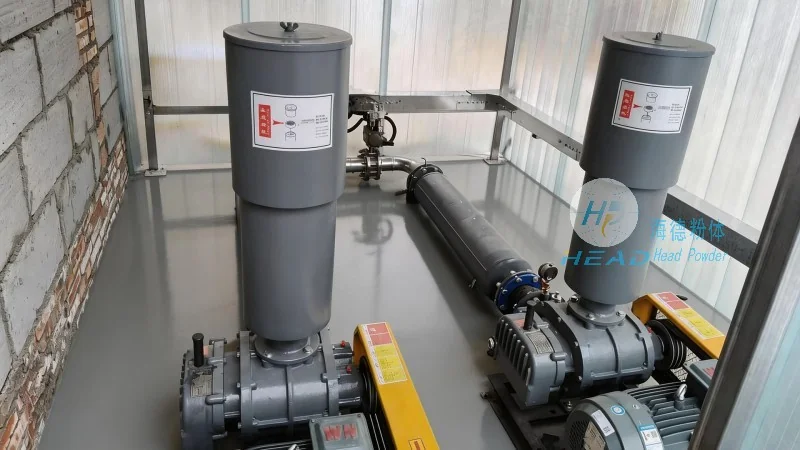
About HeadPowder: A Leading Provider of Conveying Solutions
HeadPowder, a prominent enterprise based in Shandong, China, specializes in the design, manufacturing, and installation of advanced material handling systems. With a strong commitment to innovation and customer satisfaction, HeadPowder has established itself as a trusted partner for industries requiring reliable conveying solutions. The company’s headquarters is located in Shandong, where it leverages local resources and expertise to develop tailored systems that meet the unique needs of its clients. HeadPowder’s team of engineers and technicians brings extensive experience in material handling technology, ensuring that each conveying line is built to the highest standards of performance and durability.
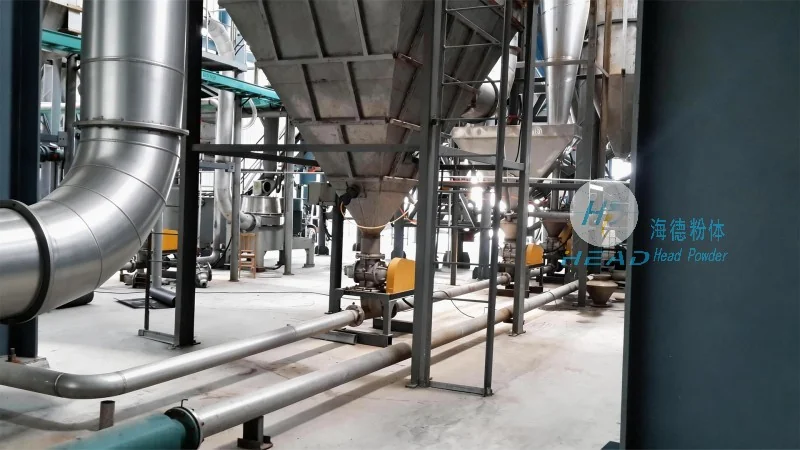
Core Design Principles of Diatomite Conveying Lines
The design of a diatomite material conveying line involves several key principles aimed at addressing the specific characteristics of diatomite. First, the system must be capable of handling the material’s lightweight and fine particle nature, which can lead to issues like dust generation and blockage. To mitigate these challenges, the design incorporates features such as enclosed conveyor systems, dust collection mechanisms, and appropriate belt or pipe materials. The conveying line typically includes components like feeders, conveyors (e.g., belt conveyors, pneumatic conveyors), and transfer points, each carefully selected to maintain the integrity of the diatomite. For example, pneumatic conveyors are often preferred for fine diatomite powders due to their ability to transport particles without mechanical contact, reducing the risk of degradation. Additionally, the system is designed with considerations for material flow rate, ensuring that the conveying capacity matches the production requirements. The design also emphasizes energy efficiency and low maintenance, as diatomite handling operations often run continuously. By integrating these principles, the conveying line achieves optimal performance while minimizing operational costs.
Key Components and Their Functions
Several critical components make up a diatomite material conveying line, each playing a vital role in the overall operation. The first component is the feeder, which is responsible for uniformly feeding diatomite from the storage hopper into the conveyor. The feeder may be a screw feeder, vibratory feeder, or rotary valve, depending on the material’s characteristics and the required flow rate. The feeder ensures that the material is introduced at a consistent rate, preventing overloading or underloading of the conveyor. Next, the conveyor itself, which can be a belt conveyor, screw conveyor, or pneumatic conveyor, transports the diatomite from the feeder to the discharge point. Belt conveyors are commonly used for bulk diatomite due to their high capacity and ability to handle large particles, while pneumatic conveyors are ideal for fine powders. The conveyor system is equipped with appropriate supports and drives to maintain smooth operation. Transfer points are another essential component, used to change the direction of the material flow. These points are designed to minimize material spillage and ensure a seamless transition between different sections of the conveying line. Finally, the discharge unit collects the diatomite from the conveyor and directs it to the next processing stage. The discharge unit may include a hopper or a valve to control the flow of material, ensuring that it is delivered accurately and without blockage. Each component is carefully selected and integrated to create a cohesive system that meets the specific requirements of diatomite handling.
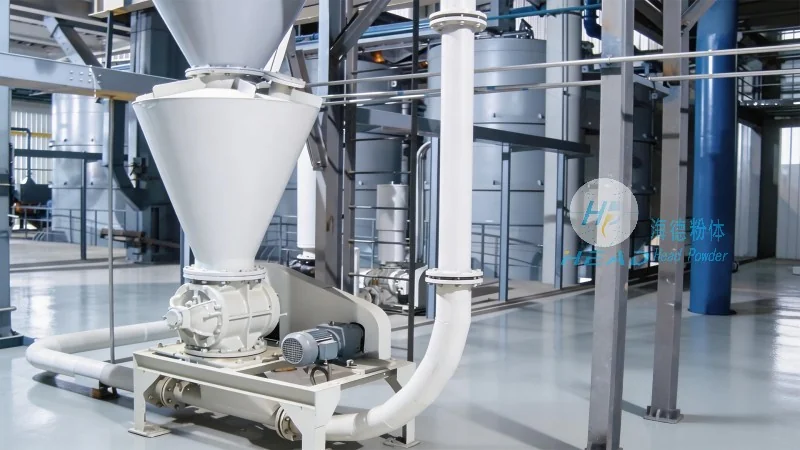
Advantages of Properly Designed Conveying Lines
Implementing a well-designed diatomite material conveying line offers numerous advantages for industrial operations. First, it enhances operational efficiency by ensuring a continuous and consistent flow of material, reducing downtime caused by blockages or material loss. The enclosed design of the system minimizes dust exposure, improving workplace safety and compliance with environmental regulations. Additionally, the system’s energy-efficient design helps reduce operational costs over time, as less energy is required to transport the material. The use of high-quality materials and components in the design also extends the lifespan of the equipment, reducing maintenance and replacement costs. Furthermore, a properly designed conveying line maintains the quality of the diatomite by preventing contamination and degradation during transport. This is particularly important for diatomite used in applications such as filtration, where purity is critical. By optimizing the conveying process, companies can improve their overall productivity and product quality, leading to increased customer satisfaction and market competitiveness. The advantages of a well-designed system extend beyond operational benefits, contributing to a more sustainable and efficient industrial operation.




